Francisco Mercado Rizal: The Father Who Shaped His Discipline
Francisco Mercado Rizal, José Rizal's father, was a disciplined farmer in Calamba whose steady work ethic and insistence on education shaped his son's character. His family's legal battle with Dominican friars over their leased land also helped instill in young José an early sensitivity to injustice and abuse of power. Discover the life of Francisco Mercado Rizal, the disciplined and hardworking father behind José Rizal. Learn how his work ethic, values, and the family's land dispute with Dominican friars helped shape the character and convictions of the Philippines' national hero.
 Moderator - Tomas Kauer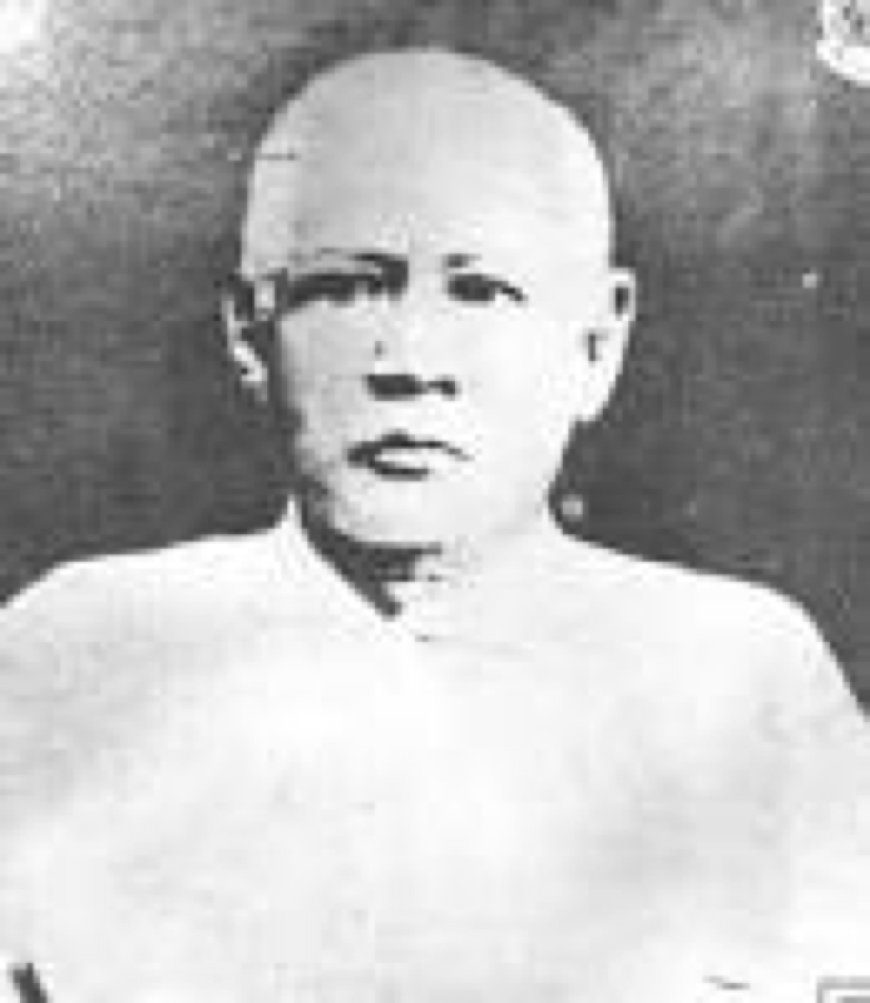
When people talk about the influences behind José Rizal's character, the conversation often turns quickly to his mother, Teodora — and rightfully so, given her role as his first teacher. But standing quietly behind that story is his father, Francisco Mercado Rizal, a man whose steady discipline, work ethic, and quiet strength left just as deep a mark on the son who would go on to become a national hero.
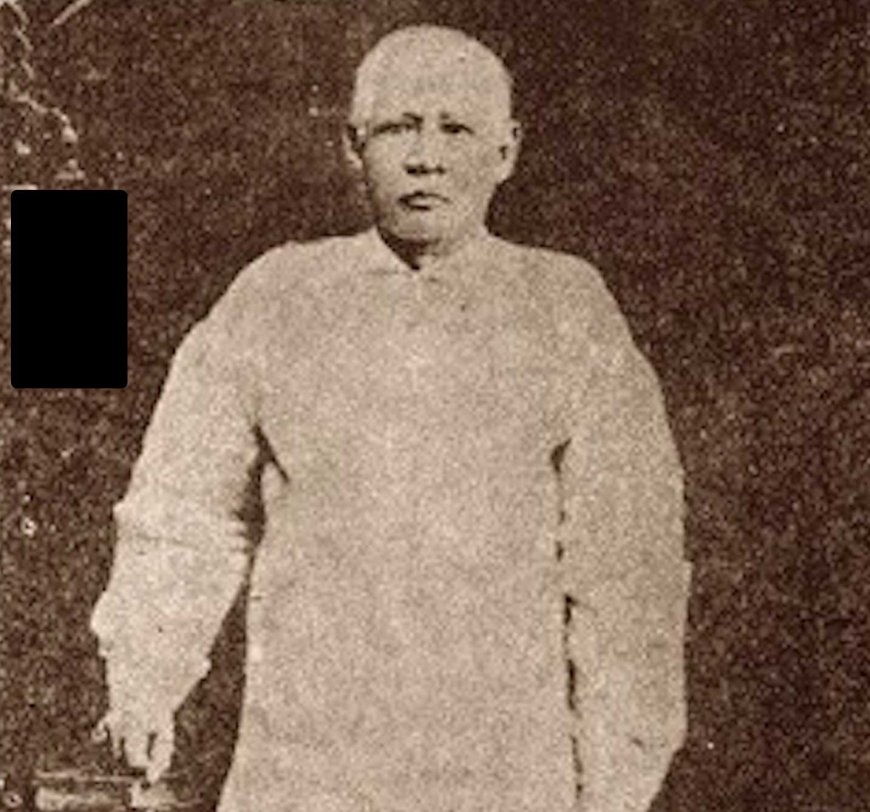
Who Was Francisco Mercado Rizal?
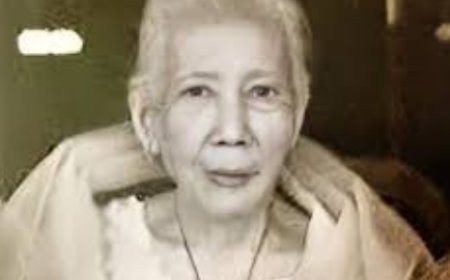
Francisco Mercado Rizal was born in Biñan, Laguna, and later settled in Calamba, where he became a farmer and leaseholder of land owned by the Dominican friars. He was not a wealthy man by colonial standards, but he was industrious and resourceful, managing to provide his large family — eleven children in total — with a stable, comfortable life through sheer diligence and careful management of their farmland and small business ventures.
He married Teodora Alonso Realonda, and together they raised a household that placed enormous value on education, faith, and personal responsibility — values that would define José Rizal's own approach to life decades later.
A Man of Quiet Discipline
Unlike some of the more outspoken figures in Rizal's story, Francisco is often remembered less for grand gestures and more for consistency — the kind of steady, dependable presence that shapes a child's character without needing to announce itself. He was known to be a serious, hardworking man who expected diligence and honesty from his children, and who ran his household and farmland with careful attention to order and responsibility.
This disciplined household environment is often cited by historians as one of the quiet foundations of Rizal's own legendary work ethic — his ability to juggle medicine, literature, science, and languages simultaneously, all while maintaining meticulous personal standards, mirrors the same disciplined rigor his father modeled at home.
Standing Up Against Injustice
One of the most significant chapters in Francisco's life came when the Rizal family became entangled in a legal dispute with the Dominican friars over the land they leased in Calamba. As tensions grew between tenant farmers and the friar estate, the family's own leasehold became a target, and they eventually faced eviction efforts and legal harassment.
This experience deeply affected the entire Rizal family, including young José, and is frequently pointed to by historians as one of the formative experiences that shaped his later, sharp criticism of abuses committed under the guise of religious and colonial authority. In this sense, Francisco wasn't just a quiet background figure — he was, indirectly, one of the reasons Rizal grew so sensitive to the abuse of power against ordinary Filipino families.
A Father's Sacrifice
Despite the family's land troubles, Francisco worked to ensure his children received the best education available to them, a decision that ultimately made it possible for José to attend the Ateneo Municipal de Manila and later pursue further studies both in the Philippines and abroad. Educating a child to that level was neither cheap nor common for a farming family at the time, and it reflected Francisco's deep belief — shared with his wife — that education was the surest path to a better future.
Though it was largely Rizal's older brother, Paciano, who financially supported much of his education abroad, the foundation for that opportunity was built years earlier, in a household where Francisco worked hard enough to give his children options he himself may never have had.
A Legacy Often Overshadowed, But Not Forgotten
Francisco Mercado Rizal never sought recognition, and history has, understandably, focused more attention on his son's dramatic and consequential life. But without his steady discipline, his insistence on responsibility, and his quiet resistance to injustice, the household that shaped José Rizal may have looked very different.
In many ways, Francisco represents something important about Rizal's story as a whole: that behind every widely celebrated public figure is often a quieter, more private figure whose influence, while less visible, is no less essential.