Trinidad Rizal: Keeper of the Last Poem
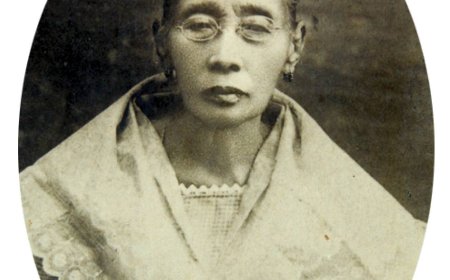
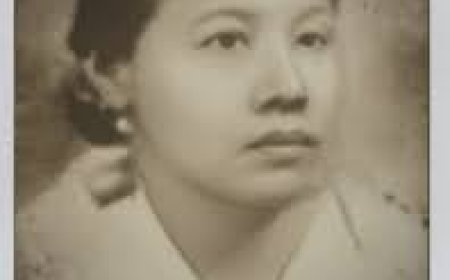
Trinidad Rizal, José Rizal's younger sister, was entrusted with his final poem, Mi Último Adiós, hidden inside an alcohol lamp on the night before his execution. Her quiet act of discretion ensured that Rizal's last words survived, preserving one of the most significant literary and historical documents in Philippine history. Discover the story of Trinidad Rizal, the sister entrusted with José Rizal's final poem, Mi Último Adiós, hidden inside a lamp the night before his execution — a quiet act that preserved his last words for history.
 Moderator - Tomas Kauer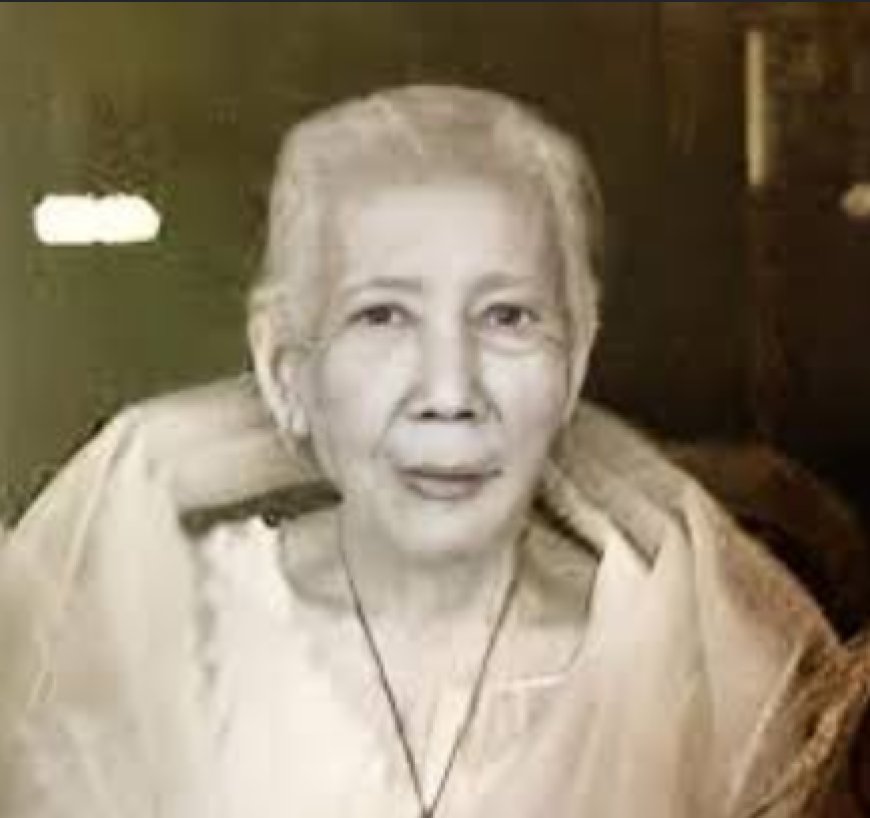
Of all the quiet, understated roles played by the people surrounding José Rizal, few carry as much emotional weight as the one filled by his younger sister, Trinidad Rizal. She isn't remembered for political influence or public advocacy, but for a single, deeply intimate act: safeguarding the last words her brother ever wrote, in the final hours before his execution.
Who Was Trinidad Rizal?
Trinidad Rizal, often called "Trining" within the family, was the tenth of the eleven Rizal children, born into the large, close-knit household in Calamba. Like her siblings, she grew up in an environment that placed heavy emphasis on education, family loyalty, and shared responsibility. While less publicly documented than her brothers Paciano and José, Trinidad remained a consistently present, trusted figure throughout Rizal's life — someone he clearly regarded with deep affection and confidence.
A Family Bound by Loyalty
Throughout Rizal's years of study abroad, his exile in Dapitan, and eventually his imprisonment in Fort Santiago, his family remained a steady source of emotional support, corresponding with him regularly and visiting when circumstances allowed. Trinidad, along with several of her sisters, was known to be especially devoted to maintaining that connection, ensuring Rizal never felt entirely cut off from home despite the physical and political distance placed between them.
This closeness became especially significant during the final, painful days of Rizal's imprisonment, when his family was granted limited visits before his execution — visits that would ultimately carry historical weight far beyond their emotional significance at the time.
The Night Before the Execution
On December 29, 1896, the night before his execution, Rizal was visited by members of his family, including his mother and sisters. It was during one of these final visits that Rizal quietly handed Trinidad a small alcohol lamp, telling her, in Tagalog, that there was something inside it — without drawing attention to what that something actually was.
Hidden within that unassuming lamp was a folded piece of paper containing Rizal's final poem, later titled Mi Último Adiós ("My Last Farewell") — a work he had composed in secret during his last hours, weighing his impending death, his love for his country, and his acceptance of the sacrifice he was about to make.
By entrusting this poem to Trinidad in such a discreet, almost unremarkable way, Rizal ensured that his final words would survive the immediate danger of discovery by colonial authorities, who almost certainly would have confiscated or destroyed anything overtly political found in his cell.
Carrying a Historic Responsibility
It's difficult to overstate the significance of what Trinidad was entrusted with in that moment. Had the poem been discovered, confiscated, or lost, one of the most important literary and historical documents in Philippine history might never have survived. Instead, because of Trinidad's quiet, careful handling of her brother's final gift, Mi Último Adiós was preserved and eventually shared with the world — a poem now regarded as one of the defining literary expressions of Filipino patriotism and sacrifice.
Trinidad's role in this moment wasn't about grand political action. It was about trust, discretion, and the simple, profound responsibility of making sure her brother's last words would not be lost to history.
A Quiet Legacy
Unlike Paciano, whose political influence on Rizal is well documented, or Blumentritt, whose intellectual friendship with Rizal filled countless letters, Trinidad's historical significance rests almost entirely on this single, quiet act of loyalty. Yet in many ways, that's precisely what makes her role so powerful — she represents the deeply personal, familial dimension of Rizal's story, a reminder that behind the grand historical narrative of martyrdom and national awakening was a grieving family, and a sister who simply wanted to make sure her brother's voice would still be heard.
Why Her Story Still Matters
Trinidad Rizal's contribution to history is a reminder that not all meaningful acts require public recognition or political maneuvering. Sometimes, preserving history comes down to a single, trusted person choosing to carry something safely through a dangerous moment. Because of Trinidad's quiet courage on that final night, Mi Último Adiós survived — and with it, the last, unfiltered voice of a man just hours away from execution, offering his final thoughts not to history in the abstract, but to his family, and through them, to his entire nation.