El Filibusterismo: Rizal's Darker, Angrier Sequel
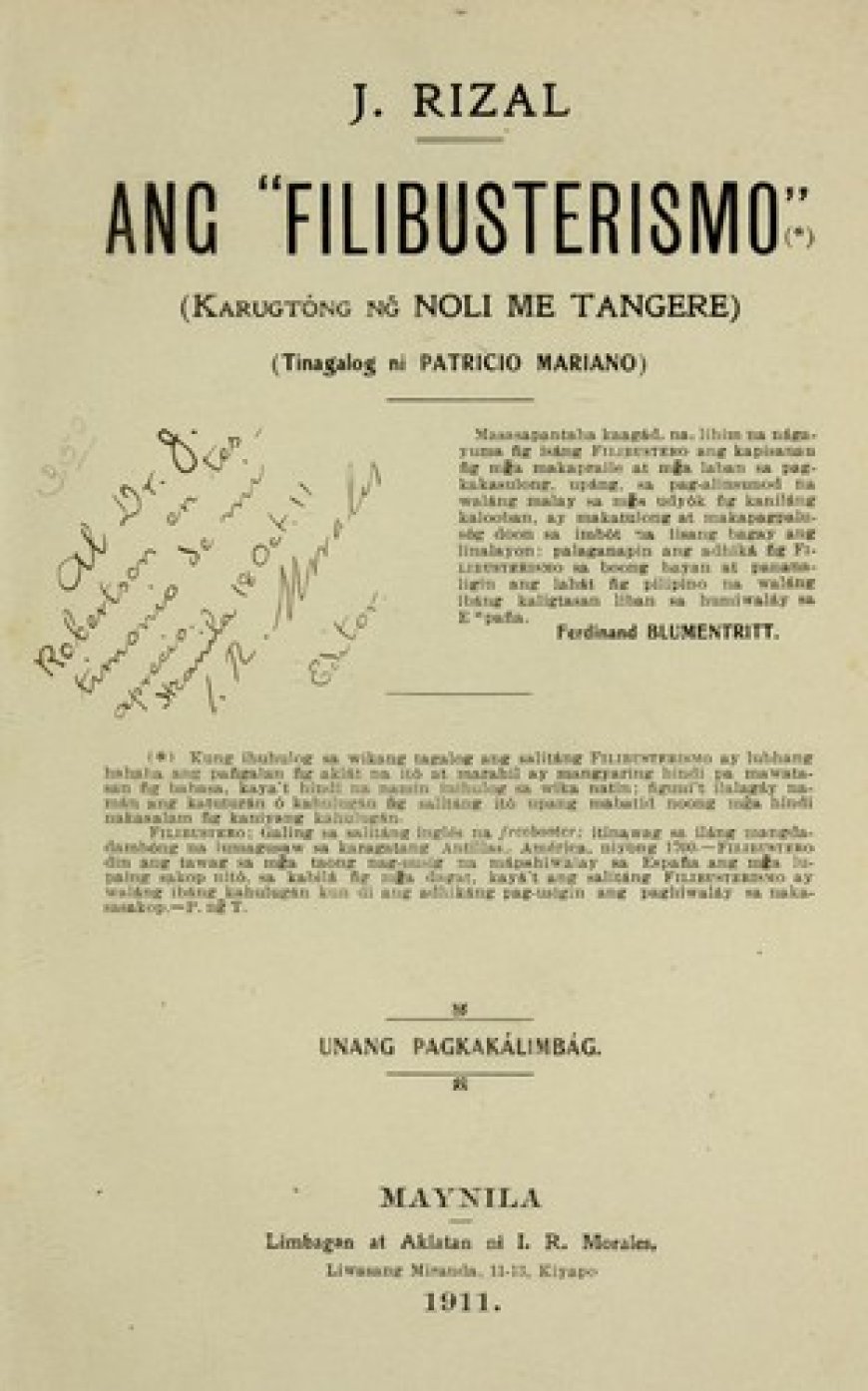
El Filibusterismo, published in Ghent in 1891, is Rizal's darker sequel to Noli Me Tángere. It follows Simoun, the disguised and vengeful return of Crisóstomo Ibarra, as he plots a violent uprising against colonial rule — forcing readers to confront the tension between peaceful reform and revolutionary rage. Explore El Filibusterismo, José Rizal's angrier, more radical sequel to Noli Me Tángere. Discover the story of Simoun's plot for revenge, its dedication to the executed priests Gomburza, and its lasting impact on the Philippine revolutionary movement.
 Moderator - Tomas Kauer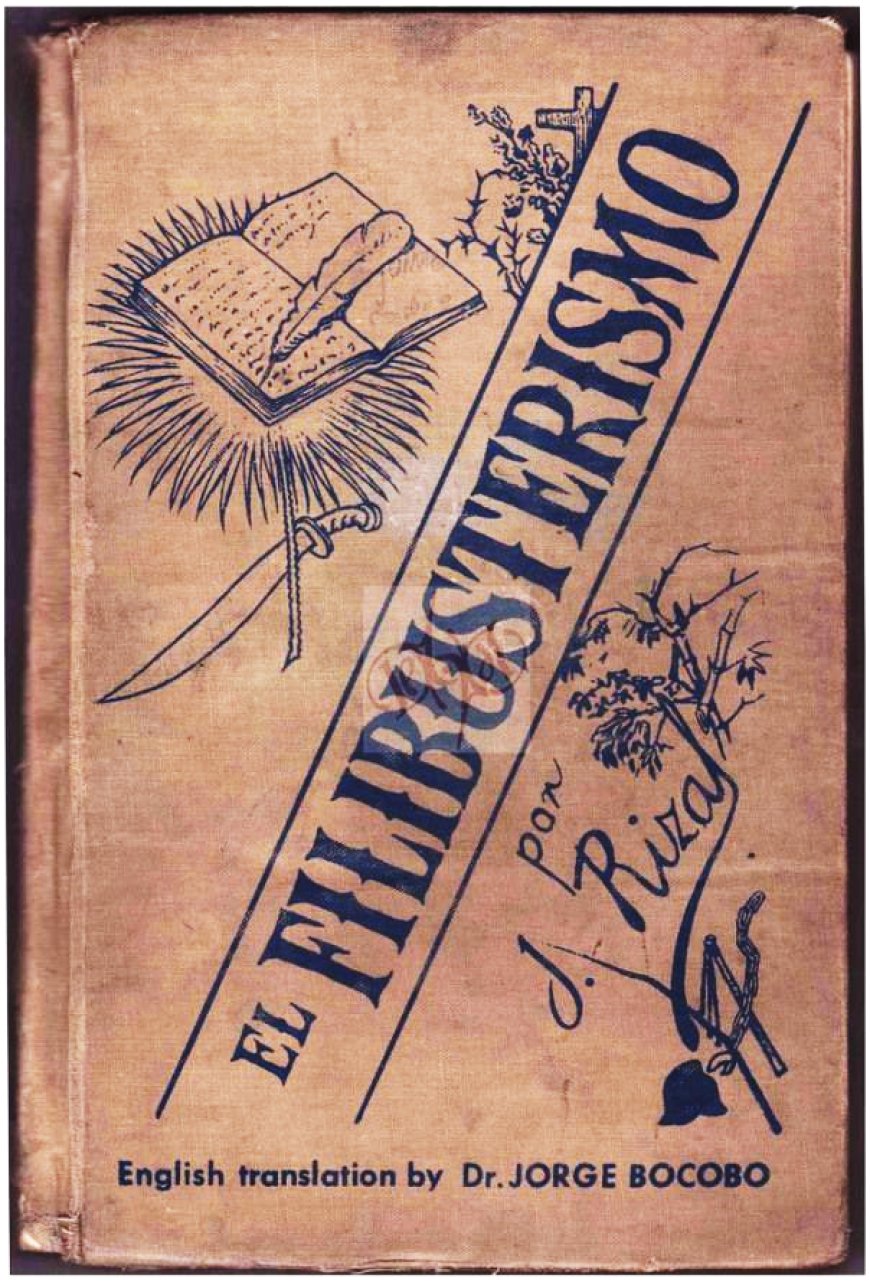
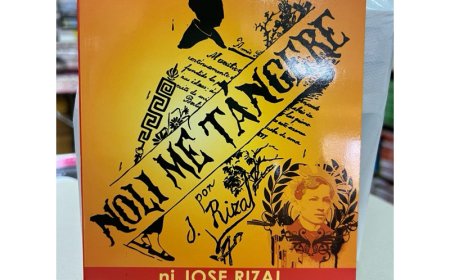
If Noli Me Tángere was Rizal holding up a mirror to colonial society, El Filibusterismo was him asking a much harder question: what happens when reform fails, and people run out of patience? Published four years after its predecessor, this sequel trades the hopeful undertones of the first novel for something colder, angrier, and far more morally uncertain — a book that wrestles openly with the temptation of violence, even as its author continued to publicly advocate for peace.
What the Title Means
El Filibusterismo translates roughly to "The Filibustering," though in the context of Spanish colonial Philippines, the term "filibustero" carried a much more loaded meaning: it referred to a subversive, someone suspected of plotting rebellion against colonial authority. Simply being labeled a filibustero, whether true or not, was often enough to bring severe punishment. By choosing this title, Rizal was directly engaging with the very accusation the colonial government used to silence dissent — turning a term of fear into the title of his own work.
Publication
The novel was published in 1891 in Ghent, Belgium, where Rizal had relocated partly due to financial constraints and the difficulty of publishing such controversial material elsewhere. Unlike Noli, which had at least some indirect financial support from friends, Rizal struggled considerably to fund the printing of El Filibusterismo, at one point reportedly pawning some of his possessions to help cover the costs.
He dedicated the novel to the memory of Fathers Mariano Gómez, José Burgos, and Jacinto Zamora — the three Filipino priests executed in 1872 on charges of subversion, an event that had deeply affected Rizal's own family and worldview, particularly through his brother Paciano's connections to Father Burgos.
The Story
El Filibusterismo returns to the world of Noli Me Tángere, but with a twist: Crisóstomo Ibarra, presumed dead at the end of the first novel, has secretly survived and reinvented himself as Simoun, a wealthy, mysterious jeweler who has spent years quietly manipulating colonial officials while plotting a violent uprising against the very system that destroyed his former life.
Unlike the idealistic young man readers met in Noli, Simoun is calculating, cynical, and consumed by a desire for revenge rather than reform. The novel follows his elaborate scheme to incite rebellion, while weaving in a wide cast of characters — students, officials, and ordinary citizens — each representing different responses to colonial oppression, from complicity to quiet resistance to open despair.
A Darker Moral Universe
Where Noli Me Tángere maintained a certain hope that exposing injustice might be enough to spark reform, El Filibusterismo is far less certain. Simoun's path raises uncomfortable questions Rizal doesn't fully resolve: Is violent uprising justified when peaceful reform has repeatedly failed? Is revenge a legitimate response to systemic abuse, or does it simply perpetuate the same cycle of destruction?
Rizal himself, in his own life, continued to favor peaceful, legal reform over armed rebellion. Yet by giving Simoun's frustration and rage such a fully realized voice, Rizal demonstrated a clear-eyed understanding of why others might choose a different, more violent path — even if he didn't personally endorse it.
Reception and Consequences
Like its predecessor, El Filibusterismo was banned by Spanish colonial authorities, and its possession was considered even more dangerous than owning a copy of Noli, given its more explicit engagement with rebellion and its unflinching critique of colonial governance. The novel further cemented Rizal's reputation among colonial officials as a dangerous subversive — a reputation that would ultimately contribute to the accusations brought against him in his 1896 trial, despite his consistent public stance against armed revolution.
Legacy
El Filibusterismo is often read as the more intellectually challenging of Rizal's two novels — less concerned with simply depicting injustice, and more concerned with interrogating what should be done about it. It remains essential reading alongside Noli Me Tángere, not because it offers easy answers, but because it honestly captures the moral tension at the heart of any movement for justice: the gap between the world as it should be, and the very human frustration of watching that world fail to arrive fast enough.
Together, the two novels form a complete arc — from the naive hope of Ibarra to the hardened resolve of Simoun — mapping the emotional and political journey that colonial oppression can push even the most idealistic person toward.