Noli Me Tángere: The Novel That Exposed a Colony's Wounds
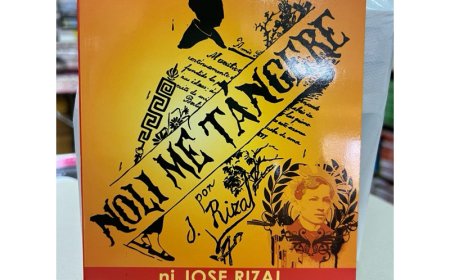
Noli Me Tángere, published in Berlin in 1887, is José Rizal's landmark novel exposing the corruption and abuse of friars and colonial officials in the Philippines. Told through the story of Crisóstomo Ibarra, the book was quickly banned by Spanish authorities yet became essential reading, giving Filipinos a shared language to name colonial injustice. Explore Noli Me Tángere, José Rizal's groundbreaking novel that exposed the abuses of Spanish colonial rule in the Philippines. Learn the story behind its writing, its banning, and its lasting impact on Filipino national identity.
 Moderator - Tomas Kauer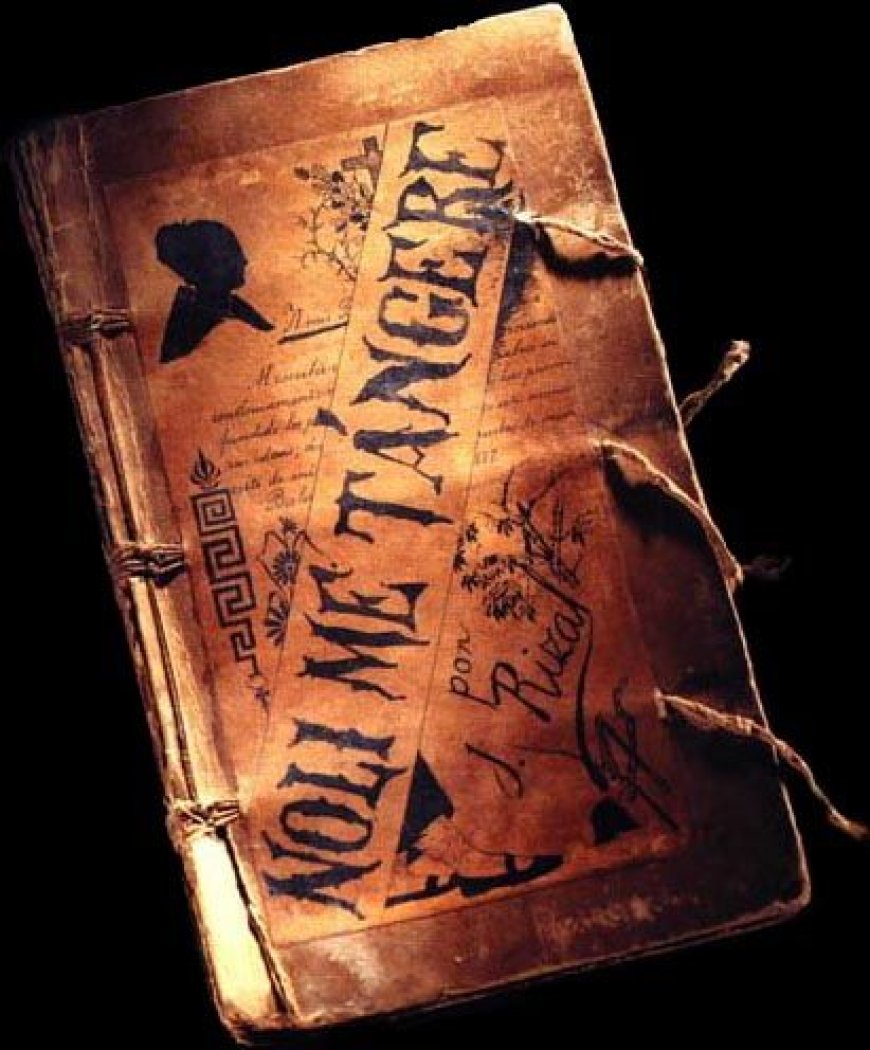
Few novels in history have managed to shake an entire colonial system the way Noli Me Tángere did. Written by a twenty-something medical student with no formal training as a novelist, it became one of the most consequential pieces of literature in Philippine history — not because of literary technique alone, but because of what it dared to say, and who it dared to say it about.
What the Title Means
Noli Me Tángere is Latin for "Touch Me Not," a phrase drawn from the Gospel of John, where the resurrected Christ says these words to Mary Magdalene. Rizal borrowed the phrase to describe the untouchable, unspoken wounds of Philippine society under Spanish colonial rule — social ills so entrenched and so protected by those in power that even discussing them openly was considered dangerous. The title itself was a quiet act of defiance: an announcement that he intended to touch precisely what colonial society insisted should remain untouched.
Why and How It Was Written
Rizal wrote the novel while studying in Europe, drawing inspiration from his own observations of the abuses committed by friars and colonial officials in the Philippines, as well as from the broader tradition of social-realist European literature he encountered during his travels. It was published in Berlin in 1887, printed with financial help from his close friend Maximo Viola, since Rizal himself was short on funds at the time.
Rizal wrote the novel in Spanish, the language of the educated elite and colonial administration, ensuring that the very people responsible for the abuses depicted would be able to read it — and understand exactly who and what was being described.
The Story
Noli Me Tángere follows Crisóstomo Ibarra, a young, idealistic Filipino who returns home after years of studying in Europe, hoping to build a school and contribute positively to his hometown. Instead, he is confronted almost immediately with the corruption, abuse of power, and hypocrisy carried out by friars and colonial officials — forces that ultimately destroy his family, his reputation, and his plans for reform.
Through Ibarra's story, and the wide cast of characters around him — including the tragic Sisa, the cynical Elias, and a rotating gallery of corrupt or complicit authority figures — Rizal paints a detailed, often devastating portrait of a society strangled by unchecked power dressed in religious and political legitimacy.
Why It Was So Dangerous
Noli Me Tángere wasn't just fiction to its Spanish colonial readers — it was recognizable. Many readers, both Filipino and Spanish, believed they could identify real people and real institutions behind the novel's characters and events. This recognition is precisely what made the book so threatening to colonial authorities: it wasn't a vague complaint about hardship, but a pointed, detailed indictment of specific abuses of power.
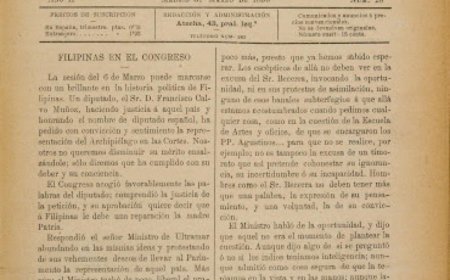
The novel was quickly banned by Spanish colonial authorities in the Philippines, and possessing a copy could bring serious consequences. Naturally, this only fueled its popularity — smuggled copies circulated widely, and the book became required, if forbidden, reading among Filipinos hungry for a mirror that finally reflected their reality honestly.
Impact and Legacy
Noli Me Tángere did more than tell a story — it gave shape to a national conversation that had, until then, lacked a common language. It offered Filipinos a shared vocabulary for discussing colonial abuse, hypocrisy, and injustice, and it forced Spanish authorities to publicly reckon with accusations they could no longer dismiss as isolated incidents.
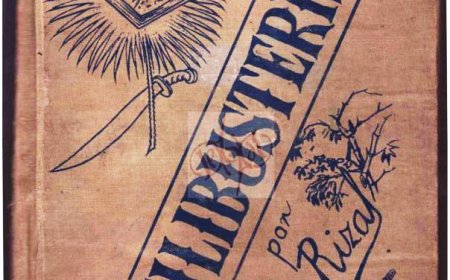
The novel also set the stage for its sequel, El Filibusterismo, published four years later, which would push these same themes further into darker, more radical territory. Together, the two novels form the literary backbone of the Philippine national identity that would fuel the eventual revolution against Spanish rule — even though Rizal himself continued to advocate for peaceful reform rather than armed uprising.
Why It's Still Read Today
More than a century later, Noli Me Tángere remains required reading in Philippine schools, not simply as a historical artifact, but as a living reminder of how literature can name what a society is otherwise too afraid, or too controlled, to say out loud. It stands as proof that Rizal's chosen weapon — the pen — was, in its own way, just as powerful as any uprising that followed.