Paciano Rizal: The Brother Who Shaped a Revolutionary
Paciano Rizal, José Rizal's older brother, funded much of his education and introduced him to the injustices of colonial rule through his own connection to Father José Burgos, one of the priests executed in 1872. While José pursued peaceful reform, Paciano later became a general in the Philippine Revolution, embracing the armed struggle his brother had chosen not to join. Meet Paciano Rizal, the brother whose influence and financial support shaped José Rizal's political awakening and education. Discover how Paciano's own path led him to become a revolutionary general in the fight for Philippine independence.
 Moderator - Tomas Kauer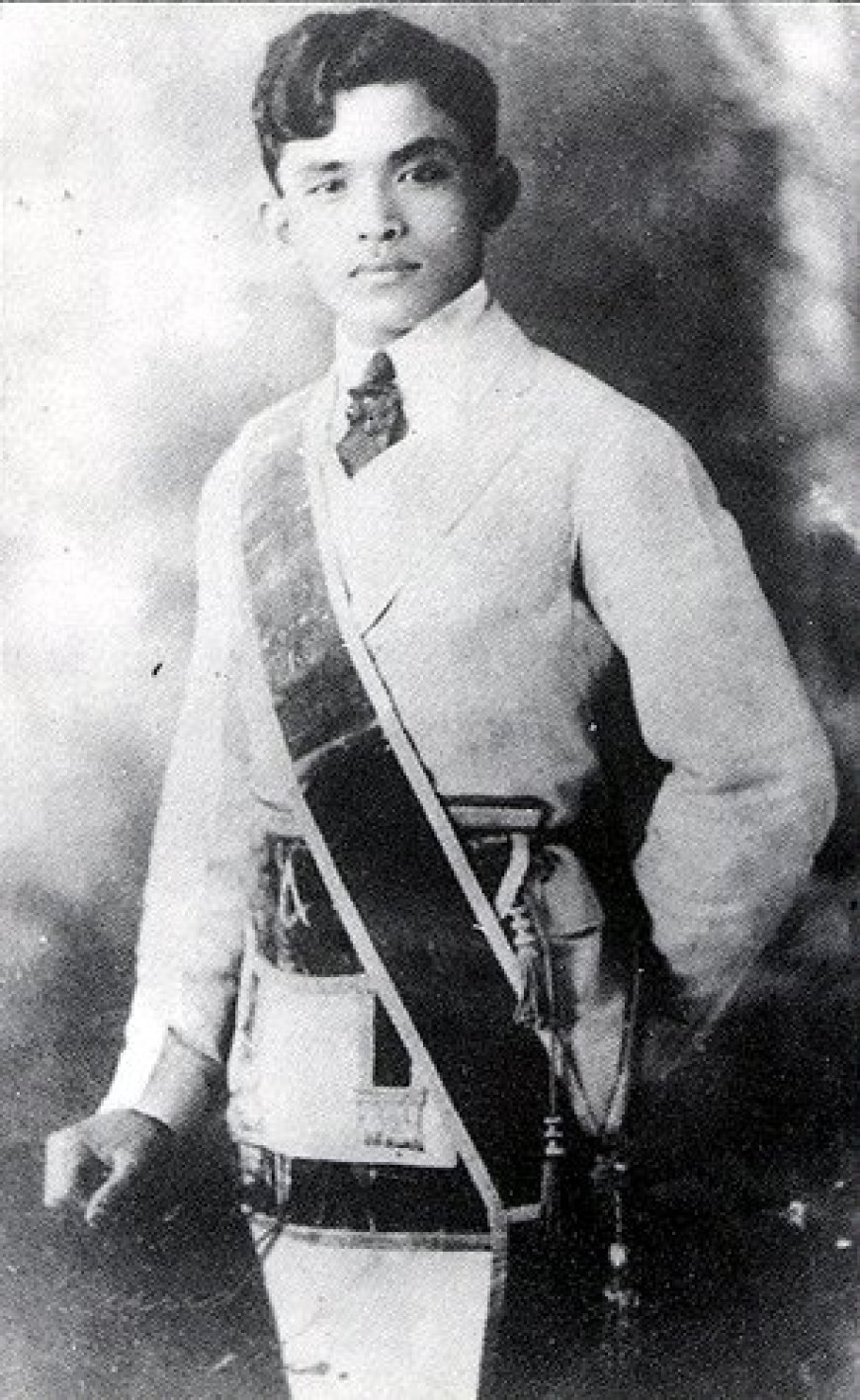
Behind almost every great historical figure, there's someone whose influence rarely makes it into the headlines but who shaped the person in ways few others could. For José Rizal, that person was his older brother, Paciano Rizal — a quiet, steady presence who not only funded much of Rizal's education, but who also planted the very first seeds of the political consciousness that would eventually define his younger brother's entire life.
Who Was Paciano Rizal?
Paciano Mercado Rizal was born in 1851, ten years before José, making him the eldest son among the eleven Rizal children. As the firstborn son in a Filipino family of that era, Paciano carried significant responsibility from an early age — both as a model for his younger siblings and, eventually, as a primary financial supporter of the family's ambitions, particularly when it came to education.
Unlike José, Paciano did not pursue an extensive formal education abroad. Instead, he channeled much of his energy into farming, managing family affairs, and — perhaps most significantly — political engagement, becoming deeply involved in reformist and revolutionary circles well before his younger brother did.
The Political Awakening Begins With Paciano
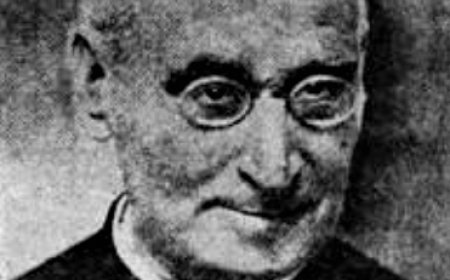
One of Paciano's most consequential contributions to Rizal's life came through his own personal connections. Paciano had studied under and greatly admired Father José Burgos, one of the three Filipino priests — along with Fathers Mariano Gómez and Jacinto Zamora, collectively known as Gomburza — executed by Spanish colonial authorities in 1872 on charges of subversion.
This execution deeply affected Paciano, and through him, it profoundly shaped young José as well. Paciano is widely credited by historians as the family member who first exposed Rizal to the injustices of colonial and religious abuse of power — not as abstract political theory, but as a very real, very personal tragedy involving someone Paciano had known and respected.
This early exposure, delivered through his older brother rather than through books or formal schooling, planted a seed that would eventually grow into Rizal's lifelong commitment to exposing and confronting colonial injustice through his writing.
Funding a Future
Beyond ideological influence, Paciano played an enormously practical role in Rizal's life: he helped fund much of Rizal's education, including his years of study in Europe. Sending a family member abroad for education was a significant financial undertaking, and Paciano's willingness to shoulder much of that burden — sometimes at real cost to his own opportunities — reflects the deep belief the Rizal family placed in José's potential.
Paciano's support wasn't just financial, either. Throughout Rizal's years abroad, the two brothers maintained correspondence, with Paciano offering guidance, encouragement, and grounded perspective on events unfolding back home in the Philippines — a steady, trusted voice amid the whirlwind of Rizal's academic and political life in Europe.
A Revolutionary in His Own Right
While José Rizal is remembered primarily as a reformist who favored peaceful change, Paciano's own political path eventually diverged in a more directly revolutionary direction. He later became actively involved in the Philippine Revolution, joining the armed struggle against Spanish colonial rule and even attaining the rank of general within revolutionary forces.
This divergence between the brothers — José's continued advocacy for peaceful reform, and Paciano's eventual embrace of armed revolution — reflects a broader tension present throughout the reform movement of the era: the difficult, unresolved question of whether real change could be achieved without violence.
Grief, Loss, and Continued Struggle
Paciano was profoundly affected by his younger brother's execution in 1896. Despite the tragedy, he continued his involvement in the revolutionary movement, carrying forward the fight in his own way even after losing the brother whose political awakening he had helped set in motion decades earlier.
Paciano lived for many years after Rizal's death, witnessing the Philippine Revolution, the subsequent Philippine-American War, and the early shaping of a nation that would come to revere his brother as its national hero — a legacy Paciano himself had quietly helped make possible.
Why Paciano's Role Still Matters
It's easy to view national heroes as singular, self-made figures, but Rizal's story makes clear how much he owed to those around him — and few influences were as foundational as his older brother's. Paciano didn't just fund an education; he introduced his younger brother to injustice, to political consciousness, and to the moral weight of standing against abuse of power, long before Rizal ever picked up a pen to write about it himself.
In many ways, Paciano represents an important truth about Rizal's legacy: that behind the singular name remembered by history was a family, and a brother, whose quiet influence helped shape a revolutionary before the world ever knew his name.