Rizal's Code of Ethics: Discipline, Honesty, and Personal Responsibility
José Rizal’s ethics rest on three connected ideas: discipline built through steady habit, honesty even when it carries risk, and personal responsibility for one’s community. He believed a nation could rise no higher than the character of its people, which is why he tied education and personal conduct so closely to nation-building. Explore José Rizal’s code of ethics, from the discipline that shaped his work to the honesty of his writing and the sense of responsibility that guided his actions in Dapitan and beyond.
 Moderator - Tomas Kauer
José Rizal never wrote a single document titled "my code of ethics." His moral outlook is scattered across novels, essays, letters, and the choices he made under pressure. But read together, they reveal a consistent set of convictions. Three stand out: discipline in how a person works and lives, honesty in what a person says and does, and personal responsibility for the condition of one's community. For Rizal, these were not private virtues. He believed a nation could rise no higher than the character of its people.
Discipline: Character Built Through Habit
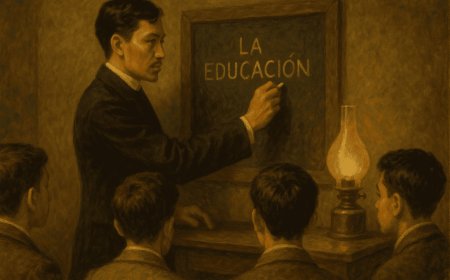
Rizal treated discipline as the foundation of everything else. From the structured household of his childhood to the rigorous Jesuit schooling at the Ateneo, he absorbed the idea that talent counts for little without steady effort. Later, in Europe, he applied that principle across medicine, languages, writing, and research, often working on several demanding projects at the same time.
He also expected discipline from his fellow Filipinos, and said so publicly. In his essay Sobre la Indolencia de los Filipinos, he argued that colonial conditions, not national character, explained the stereotype of Filipino laziness. But he did not stop at defending his countrymen. He also urged them to cultivate industry, education, and self-respect, recognizing that circumstances might explain a problem without excusing anyone from working to solve it.
Honesty: Saying the Hard Thing Plainly
Honesty ran through Rizal's work in a way that repeatedly put him at risk. His novels name uncomfortable truths about abuse of power, and he published them knowing they would be banned and that he would be watched. He chose evidence and reasoned argument over rumor and insult, building his case in essays such as Filipinas Dentro de Cien Años with careful analysis rather than anger alone.
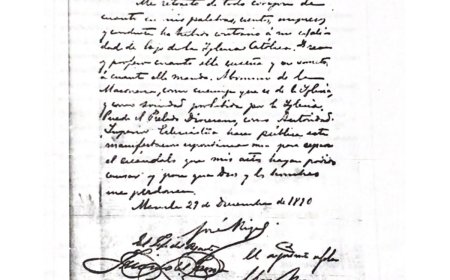
His honesty also applied to his own side. In El Filibusterismo, he refused to turn the revolutionary character Simoun into a simple hero, showing instead how revenge can corrupt even a just grievance. And in December 1896, as he awaited trial, he wrote a manifesto distancing himself from the armed uprising, stating plainly that he had not endorsed it, consistent with the peaceful reformism he had always maintained. He stayed true to his stated views even when a different position might have been more popular, or safer.
Personal Responsibility: Starting Where You Are
Perhaps the most distinctive part of Rizal's ethics is his insistence on responsibility. He criticized colonial abuse relentlessly, but he also held Filipinos accountable for their own part, including passivity, division, and willingness to look the other way. His novels contain unflattering portraits of Filipinos who benefit from the system, and his essays call on the educated to use their knowledge for the good of others.
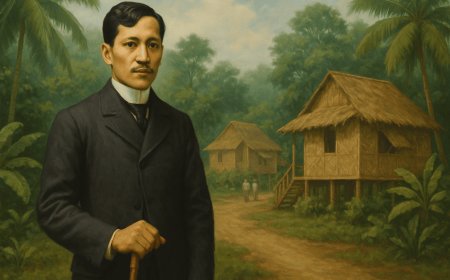
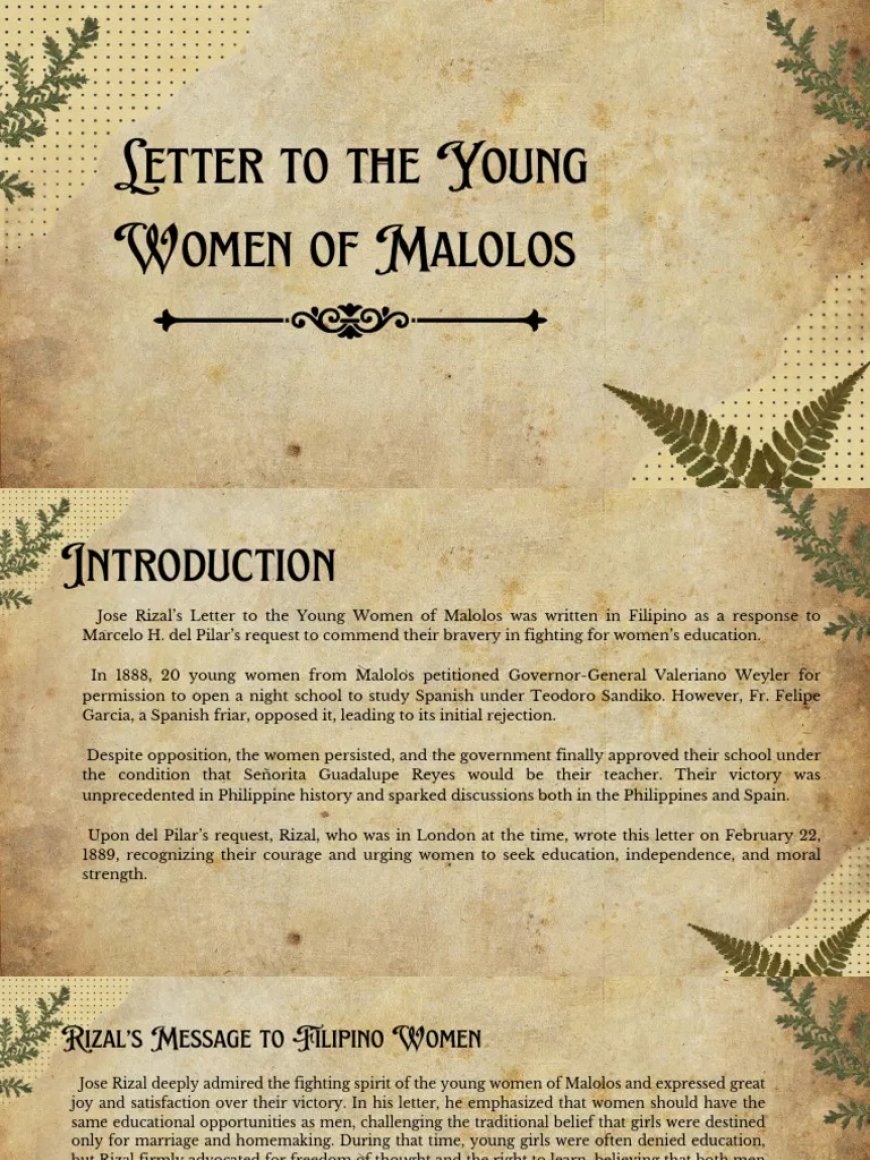
He lived by this standard. In Dapitan, he did not wait for freedom or better circumstances. He built a school, designed a water system for the town, treated patients, and studied the natural world. The idea was simple: if you see a need and have the ability to meet it, you are responsible for acting. In his 1889 letter to the young women of Malolos, he applied the same principle to a different audience, urging them to pursue education and to hold themselves to a higher standard of independence and dignity.
Ethics and the Nation
For Rizal, these personal virtues were connected to national life. A people unprepared in character, he feared, could simply trade one form of oppression for another. That concern shaped his preference for gradual reform grounded in education and civic maturity over a hasty uprising. A just society, in his view, required citizens who were disciplined, truthful, and willing to take responsibility for the common good.
Why His Ethics Still Resonate
Rizal's code is not a list of commandments, and it was not handed down from authority. It was tested in ordinary decisions and extraordinary pressure alike. That is part of why it still speaks to readers today: it asks nothing more exotic than doing your work well, telling the truth, and acting on what is within your reach.
More than a century after his death, Rizal's example suggests that national change and personal character are not separate projects. They grow from the same habits, practiced daily, by ordinary people who decide to take responsibility for the place they live in.