How to Volunteer at a Rizal Shrine or Museum
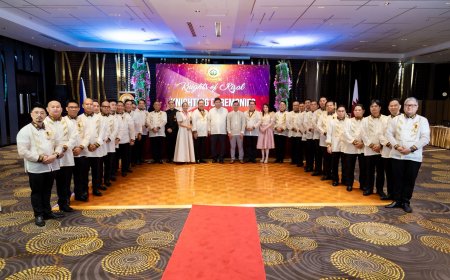
Volunteering at a Rizal shrine or museum, most of which are managed by the National Historical Commission of the Philippines (NHCP), typically starts with reaching out directly to the specific site's curator. Opportunities often include visitor assistance, educational program support, and event help, especially around Rizal Day and his birthday, while those abroad can connect with local Knights of Rizal chapters. Volunteering at a Rizal shrine or museum, most of which are managed by the National Historical Commission of the Philippines (NHCP), typically starts with reaching out directly to the specific site's curator. Opportunities often include visitor assistance, educational program support, and event help, especially around Rizal Day and his birthday, while those abroad can connect with local Knights of Rizal chapters.
 Moderator - Tomas Kauer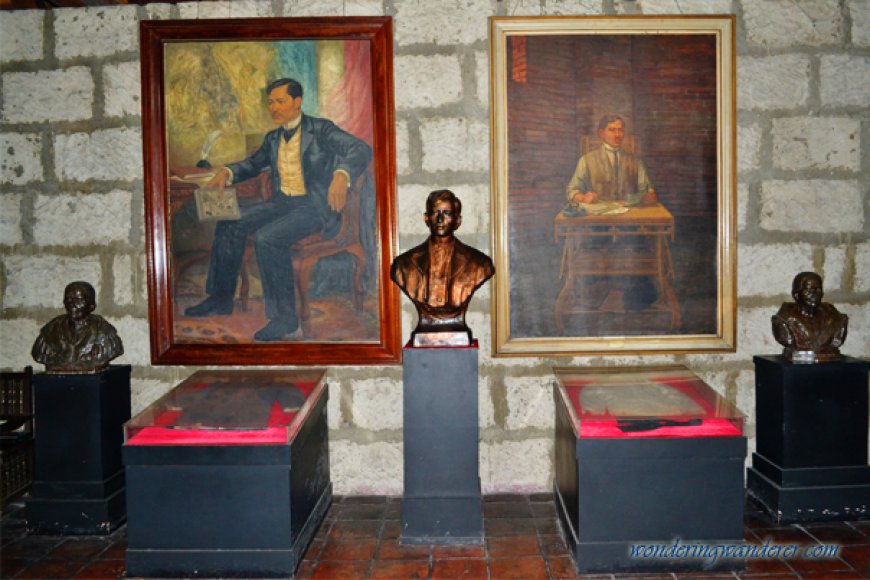
For many people, learning about José Rizal happens in a classroom. But for those who want a deeper, more active connection to his legacy, volunteering at one of the shrines or museums dedicated to his memory offers something classrooms can't quite replicate — the chance to work directly within the spaces that preserve his story, and to help make that story accessible to the next generation of visitors.
Where Rizal-Related Shrines and Museums Are Located
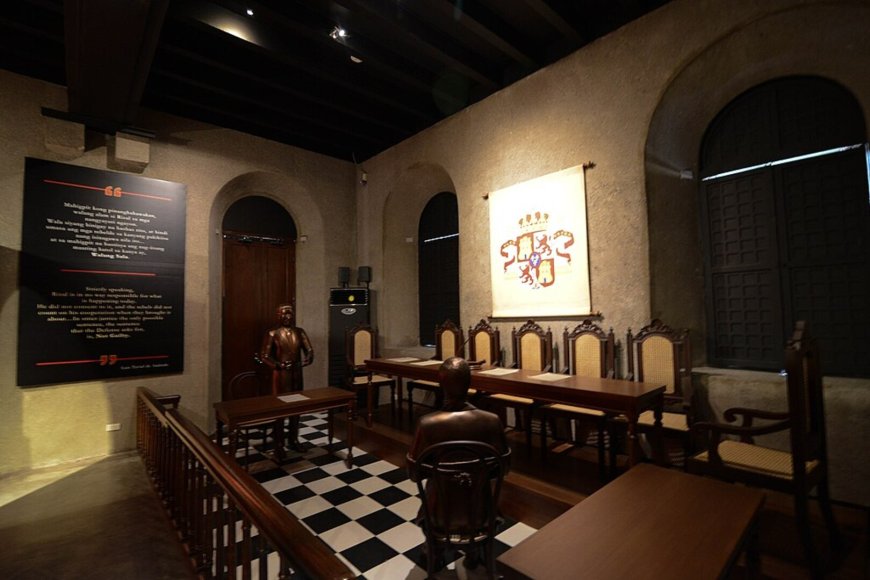
Most of the official Rizal shrines and museums in the Philippines are managed by the National Historical Commission of the Philippines (NHCP), the government agency responsible for preserving the country's historical sites and legacies. Key sites include:
- Museo ni Rizal, Fort Santiago (Intramuros, Manila) — the site of Rizal's final imprisonment, where he spent his last night and hid his poem Mi Último Adiós.
- Museo ni Jose Rizal, Calamba (Laguna) — the reconstructed birthplace home.
- Museo ni Jose Rizal, Dapitan (Zamboanga del Norte) — the site of his four-year exile.
Each of these sites operates under NHCP's Historic Sites and Education division, with a dedicated shrine curator managing day-to-day operations, educational programming, and — depending on the site's current needs — opportunities for community involvement.
How to Get Started
Since volunteer opportunities and requirements can vary by site and change over time, the most reliable first step is to reach out directly to the specific shrine or museum you're interested in supporting. Here's a general approach:
- Identify the shrine or museum most relevant to you, based on location or personal interest — for example, your hometown chapter, a site tied to a specific period of Rizal's life, or a museum near where you live or study.
- Contact the shrine curator directly. NHCP shrines typically list a curator's name and direct contact information (phone or email) on the NHCP website, making it possible to inquire about current volunteer needs, upcoming events, or educational programs looking for support.
- Reach out to NHCP's main office if you're unsure which site to contact, or if you're looking for broader volunteer opportunities across multiple locations. NHCP's central office in Manila can help direct inquiries to the appropriate division or regional site.
- Check official social media pages. Many NHCP museums, including the Museo ni Jose Rizal in Calamba, maintain active Facebook pages where they sometimes post about upcoming events, educational programs, or opportunities for public involvement.
What Kinds of Volunteer Work Are Typically Needed
While specific openings depend on each site's current needs, the kinds of support historical shrines and museums commonly welcome include:
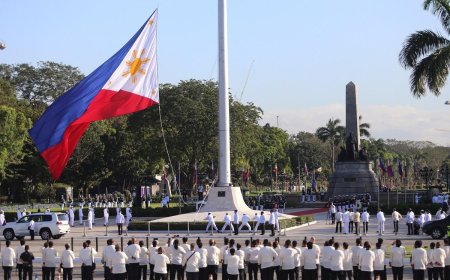
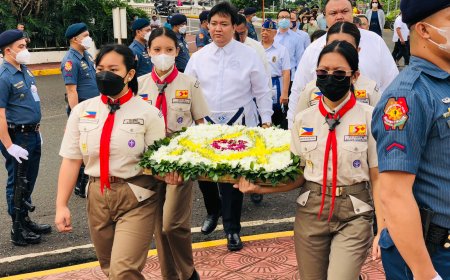
- Visitor assistance and guided tours, helping welcome and orient guests, particularly during peak periods like Rizal Day (December 30) or his birthday commemorations (June 19).
- Educational program support, assisting with school group visits, lectures, or youth-oriented programming designed to make Rizal's story more accessible to younger audiences.
- Event support, helping organize or staff commemorative events, exhibits, or community programs held at the shrine.
- Research and documentation assistance, for those with relevant academic or archival skills, supporting ongoing historical research or cataloging efforts.
Volunteering Abroad
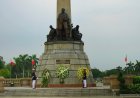
For those outside the Philippines, direct volunteering at an official shrine may not be practical — but there are still meaningful ways to get involved. Many international Rizal monuments and parks, such as those in the United States, are maintained with support from local Filipino community organizations and civic groups like the Knights of Rizal, which has chapters in numerous countries. Reaching out to a local chapter is often the most practical way to volunteer in support of Rizal's legacy while living abroad.
Why Volunteering Matters
Shrines and museums dedicated to Rizal don't run themselves — they depend on a mix of government support, institutional staff, and often, community members willing to give their time to help preserve and share his story. Volunteering offers a way to move beyond passively learning about Rizal's legacy and instead actively participate in keeping it accessible and meaningful for future visitors.
Whether it's guiding a school group through Fort Santiago, helping organize a Rizal Day commemoration abroad, or supporting research at a regional shrine, volunteer contributions — however small — help ensure that Rizal's story continues to be told with the same care and dedication that originally went into preserving it.
Note: Specific volunteer programs, requirements, and openings vary by site and are subject to change. We recommend contacting the relevant shrine, museum, or the National Historical Commission of the Philippines directly for current opportunities.