Father Francisco de Paula Sánchez: The Teacher Who Saw His Talent Early
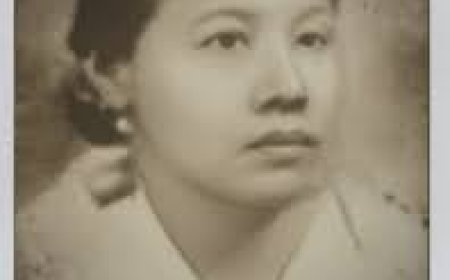
Father Francisco de Paula Sánchez, Rizal's favorite teacher at the Ateneo, first recognized and nurtured his literary talent, encouraging him toward poetry and essay writing. Their bond endured for decades, even through Rizal's exile in Dapitan, where Sánchez engaged him in friendly theological debates and collaborated with him on scientific and civic projects, despite disagreeing with Rizal's religious views. Meet Father Francisco de Paula Sánchez, the Jesuit teacher who first recognized José Rizal's literary talent at the Ateneo and remained his devoted friend through exile in Dapitan, even as the Church viewed Rizal's writings with suspicion.
 Moderator - Tomas Kauer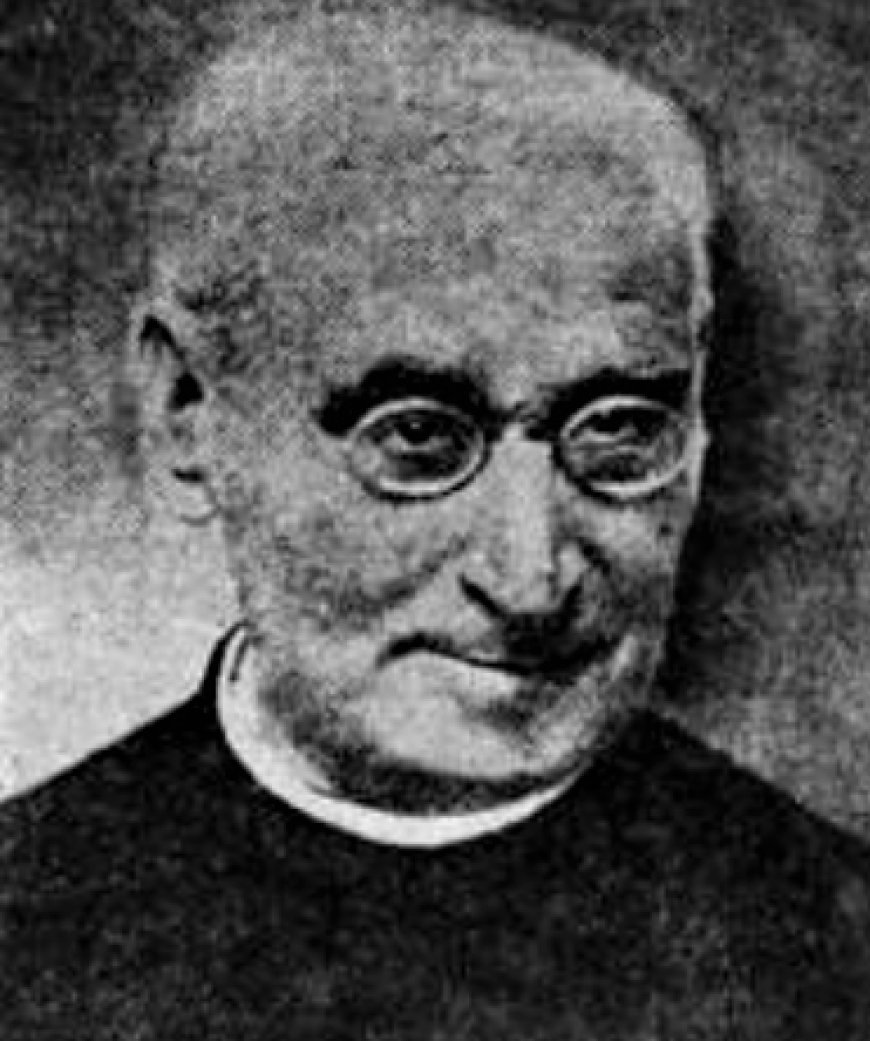
Every writer has a moment when someone first takes their talent seriously — a teacher, a mentor, someone who looks past the raw, unpolished effort and recognizes something worth developing. For José Rizal, that person was Father Francisco de Paula Sánchez, a Spanish Jesuit priest who taught him at the Ateneo Municipal de Manila and remained a meaningful presence in his life for decades afterward, all the way through his final years of exile in Dapitan.
A Demanding, Devoted Teacher
Father Sánchez taught literature at the Ateneo, and it was under his guidance that young Rizal first delved deeply into the Greek and Latin classics, alongside rigorous training in mathematics and rhetoric. Rizal himself, writing years later in his own memoirs, described Sánchez as a teacher defined by correctness, enthusiasm, and genuine dedication to his students' progress — noting that under Sánchez's instruction, his own Spanish composition improved dramatically in a relatively short time, despite starting out barely able to speak the language well.
This wasn't simply technical instruction. Father Sánchez actively encouraged Rizal to express himself creatively, pushing him toward writing poetry and essays rather than treating literature purely as an academic subject to master and move past. It was this early encouragement that helped set Rizal on the path toward the kind of confident, purposeful writing that would later define his entire public life.
A Bond That Outlasted the Classroom
Unlike many teacher-student relationships that fade once formal schooling ends, the bond between Rizal and Father Sánchez proved unusually durable. Sánchez reportedly kept Rizal's name close to his heart for years afterward, and the admiration ran in both directions — Rizal dedicated an early literary work to him during his Ateneo years, thanking his mentor for guidance he felt he could never fully repay.
Remarkably, this relationship continued even after Rizal's writing had made him a controversial figure within the Catholic establishment. When Rizal was later exiled to Dapitan, Jesuit superiors sent Father Sánchez specifically in an attempt to persuade him back toward more orthodox religious views — a mission that, by most accounts, did not succeed in changing Rizal's convictions, but did nothing to damage the two men's mutual respect.
Friendly Debates in Dapitan
During his exile, Rizal and Father Sánchez reportedly engaged in near-daily theological debates, conducted in a spirit of genuine friendship rather than hostility. Despite failing to bring Rizal back into full alignment with Church teaching, Sánchez clearly valued their ongoing relationship, choosing to spend considerable time with his former student regardless of their religious disagreements.
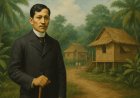
Beyond debate, the two also collaborated on more practical and scientific pursuits. Father Sánchez, who served as curator of the Ateneo Museum, took interest in the specimens Rizal collected during his naturalist work in Dapitan, with some of Rizal's findings eventually finding a home in the Jesuit museum's collection. The pair also worked together on civic improvements to the town, including designing a relief map of Mindanao that reportedly still stands in Dapitan's town plaza today.
Supporting Rizal Even When It Was Controversial
Perhaps most notably, Father Sánchez remained a supporter of Rizal's literary work even after Noli Me Tángere drew sharp criticism from segments of the Catholic establishment for its portrayal of friar abuse. Rather than distancing himself from his former student's increasingly controversial reputation, Sánchez continued to defend the novel — a meaningful act of loyalty from someone whose own religious order was, in many ways, directly implicated in the abuses Rizal's writing exposed.
Why This Mentorship Still Matters
Father Sánchez's relationship with Rizal complicates any simple narrative that frames the Catholic Church purely as an adversary in Rizal's story. Their friendship demonstrates that Rizal's criticism was always more targeted — aimed at institutional abuse and hypocrisy, rather than individuals themselves, or faith as a whole. Sánchez, in turn, modeled a kind of mentorship rooted in genuine care for his student's growth, even when that growth eventually led somewhere the institution he served found deeply uncomfortable.
In many ways, Father Sánchez represents one of the earliest, clearest examples of someone recognizing Rizal's potential before the rest of the world did — a teacher whose encouragement in a classroom in Manila helped set in motion the literary career that would eventually change the course of Philippine history.