Rizal Shrine, Dapitan: Four Years of Exile, One Lasting Legacy
The Rizal Shrine in Dapitan preserves the site of José Rizal's four-year exile, where he built a school, engineered a water system, practiced medicine, and formed a relationship with Josephine Bracken. Rather than a period of silence, his time in Dapitan became one of quiet, purposeful community service. Visit the Rizal Shrine in Dapitan, where José Rizal spent four years in exile building a school, a water system, and a new life — proof that even punishment couldn't stop his commitment to service and reform.
 Moderator - Tomas Kauer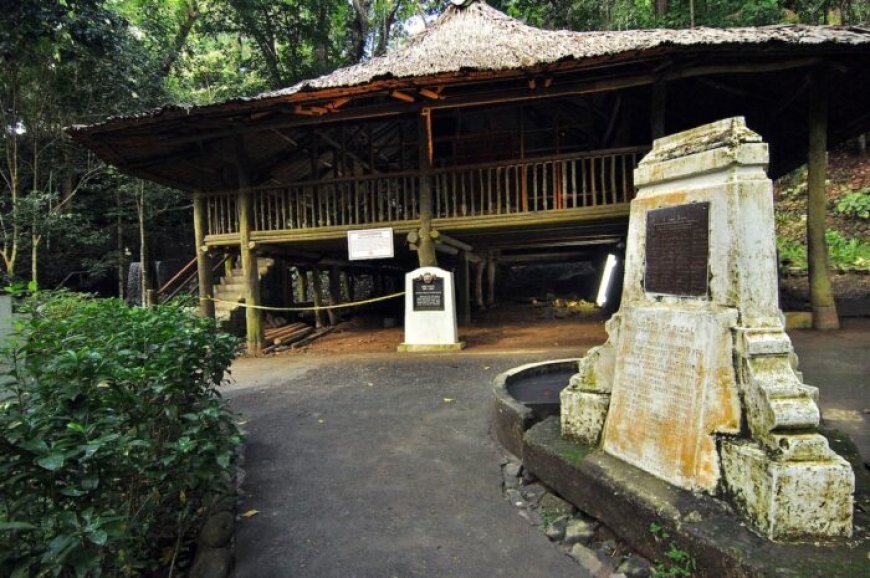
Exile was meant to silence José Rizal. Instead, the four years he spent in Dapitan became one of the most quietly productive chapters of his entire life — a period where, cut off from his political circles and confined by colonial punishment, he built a school, engineered a water system, practiced medicine, and continued his scientific work. Today, the Rizal Shrine in Dapitan preserves that legacy, offering visitors a rare glimpse into what Rizal's daily life actually looked like when the world wasn't watching.
Why Rizal Was Exiled to Dapitan
In 1892, shortly after returning to the Philippines and founding La Liga Filipina, Rizal was arrested by Spanish colonial authorities, who viewed his activities and writings as a threat to colonial order. Rather than facing formal trial at that time, he was sentenced to exile in Dapitan, a remote town in Zamboanga del Norte, Mindanao — a location chosen specifically for its distance from Manila's political and intellectual circles.
Colonial authorities likely intended this isolation to neutralize Rizal's influence. What actually happened was something quite different.
A Life Rebuilt in Exile
Rather than succumbing to isolation, Rizal used his four years in Dapitan (1892–1896) to build an entirely new, purposeful life. He purchased land, built a home, and established a small community centered around education, healthcare, and practical improvement — essentially living out, on a small scale, many of the reform-minded ideals he had spent years writing about.
He established a school for local boys, teaching not only traditional academic subjects but also practical skills such as farming techniques, carpentry, and languages — an approach that reflected his broader belief that education should be useful and accessible, not reserved solely for the elite.
Rizal also designed and helped construct a water supply system for the town, applying his scientific and engineering knowledge to solve a genuine, practical community need — a striking example of his belief that education and expertise should directly serve people's everyday lives.
Additionally, he continued practicing medicine, offering treatment to local residents, and continued his broader scientific pursuits, including studies in botany, zoology, and local ethnography, corresponding with European scholars about his findings even from this remote posting.
The Shrine Today
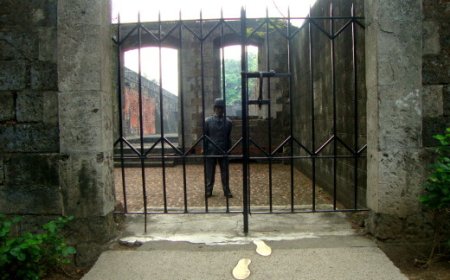
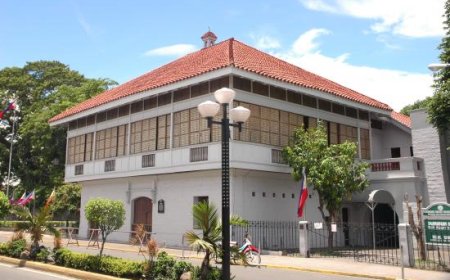
The Rizal Shrine in Dapitan preserves and reconstructs key elements of this remarkable period, allowing visitors to walk through a recreation of the home Rizal built, see exhibits related to his school and medical practice, and better understand the physical, day-to-day reality of his exile — a life far more active and engaged than the word "exile" typically suggests.
The shrine complex includes preserved or reconstructed structures reflecting his residence, his clinic, and elements of the water system he helped design, alongside historical exhibits detailing his relationships with the local community during this period.
A Quiet Community, A Meaningful Connection
Rizal's time in Dapitan wasn't purely about solitary work — it was also where he formed one of the more personally significant relationships of his life, with Josephine Bracken, who became his companion during this period. Their relationship added a deeply personal dimension to this chapter of his life, standing in contrast to the political isolation the exile was meant to enforce.
The shrine's preservation of this period offers a fuller, more human picture of Rizal — not simply as a distant historical martyr, but as someone who, even under punishment, continued building relationships, solving practical problems, and investing in the wellbeing of the community around him.
Why Dapitan Matters in Rizal's Story
Dapitan complicates the simple narrative of exile as pure punishment. While Rizal certainly lost access to his broader political networks and faced real restrictions on his movement, his response wasn't despair or resignation — it was continued, purposeful action. In many ways, Dapitan offers one of the clearest illustrations of Rizal's core belief: that meaningful change often starts small, through direct, practical service to the people immediately around you, rather than waiting for large-scale political transformation.
Visiting the Shrine
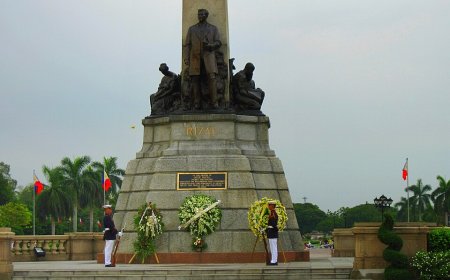
For heritage travelers and history enthusiasts, the Rizal Shrine in Dapitan offers something distinct from the more monumental tributes found in Manila or abroad — a quieter, more intimate look at how Rizal actually lived, worked, and continued contributing meaningfully to the world, even during the most restricted period of his life.
Note: Visiting hours and current exhibits at the Rizal Shrine in Dapitan may change over time. We recommend confirming details with the National Historical Commission of the Philippines or local tourism offices before planning a visit.