Spain: The José Rizal Monument in Madrid
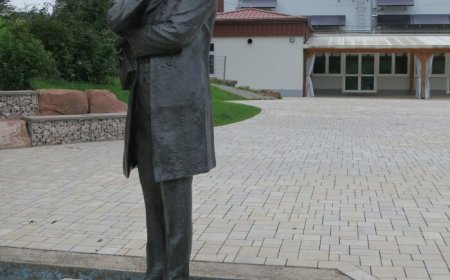
The José Rizal Monument in Madrid is a bronze replica of the Luneta monument, created by Filipino sculptor Florante Caedo. It honors the years Rizal spent in the Spanish capital completing his medical education and becoming a leading voice in the Propaganda Movement, serving as a quiet gesture of reconciliation between the Philippines and Spain. Explore the José Rizal Monument in Madrid — a bronze tribute sculpted by Florante Caedo that honors the years Rizal spent studying and organizing for reform in the Spanish capital, and reflects the shared history between Spain and the Philippines.
 Moderator - Tomas Kauer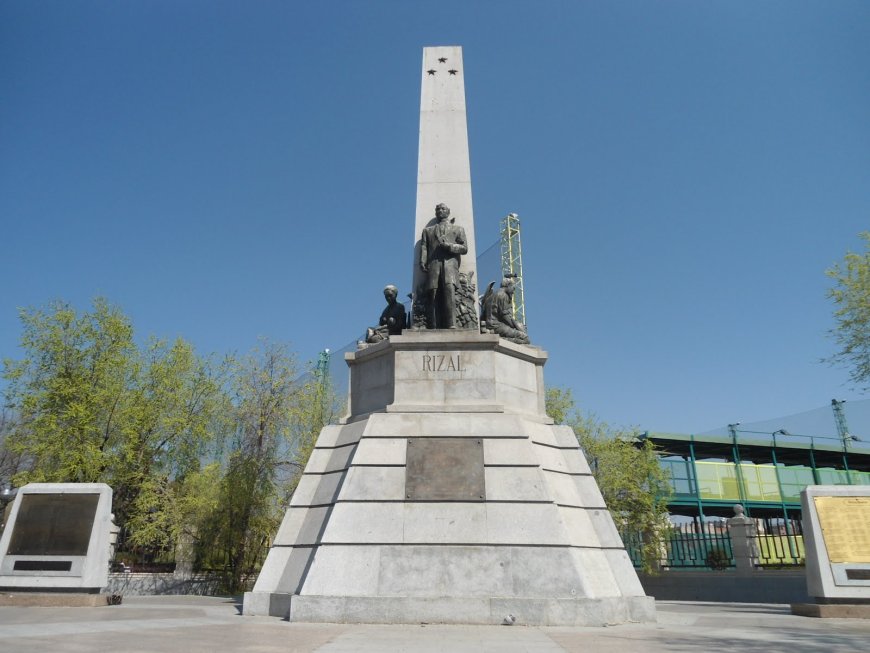
Of all the countries outside the Philippines connected to José Rizal's life, few carry as much personal weight as Spain. It was in Madrid that Rizal spent years completing his education, sharpening his political awareness, and building the relationships that would shape the Propaganda Movement. So it's fitting that one of the most prominent Rizal monuments outside the Philippines stands right in the heart of the Spanish capital.
The Monument
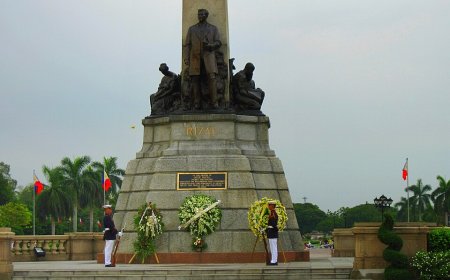
The José Rizal Monument in Madrid is a bronze statue that serves as a near-replica of the iconic Rizal Monument in Luneta, Manila. It was created by Filipino sculptor Florante Caedo, whose work captures the same solemn, upright pose familiar to anyone who has visited Rizal Park in the Philippines — a quiet nod to the fact that, no matter how far from home the monument stands, it's meant to feel unmistakably connected to the original.
The statue is set within a landscaped public space in Madrid, offering both a place of quiet reflection and a marker of the deep historical ties between the Philippines and Spain — ties that are complicated, given the colonial history involved, but undeniably significant.
Why Madrid Matters in Rizal's Story
Rizal arrived in Madrid in 1882 after secretly leaving the Philippines to continue his education. It was here that he completed his medical degree at the Universidad Central de Madrid, and where he became deeply involved with fellow Filipino students and reformists advocating for change back home. Madrid was, in many ways, the intellectual and political training ground where Rizal transformed from a promising young student into one of the most articulate voices for Filipino dignity and reform in the 19th century.
His time in Madrid also placed him at the center of the Propaganda Movement, alongside contemporaries like Marcelo H. del Pilar and Graciano López Jaena, all working — sometimes in agreement, sometimes not — toward greater rights and representation for Filipinos under Spanish rule.
A Monument as a Gesture of Reconciliation
The presence of a Rizal monument in Madrid isn't just a historical footnote — it also reflects something deliberate: an acknowledgment, decades later, of the shared and complicated history between Spain and the Philippines. Rather than erasing or downplaying that colonial past, the monument stands as a form of mutual recognition, honoring a man who, despite everything, spent some of his most formative years in that very city, and whose life and death eventually became inseparable from the story of Philippine independence.
Visiting the Monument Today
For Filipino travelers and heritage enthusiasts visiting Madrid, the Rizal Monument offers a meaningful stop — a place to pause and consider how far Rizal's ideas traveled, quite literally, from a small town in Laguna to the very capital of the empire he once studied under and eventually helped inspire a nation to move beyond.
Note: Specific details such as the exact address, unveiling date, and dimensions of the Madrid monument can vary slightly across sources. For visit planning purposes, we recommend confirming current details with the Philippine Embassy in Madrid or local tourism resources.