The Places of Rizal: Homes, Monuments, Museums, and Memorials Around the World
José Rizal is honored with monuments, statues, and historical markers in at least 14 countries beyond the Philippines, including Spain, Germany, the Czech Republic, Italy, China, Japan, Hong Kong, the United States, Canada, Peru, and Australia. Many of these tributes commemorate the places he lived, studied, or passed through during his travels. Discover the countries around the world where José Rizal is honored with monuments and statues — from Spain and Germany to the Czech Republic, China, Japan, the United States, and beyond. This updated overview traces his global legacy through the places that continue to commemorate his life.
 Moderator - Tomas Kauer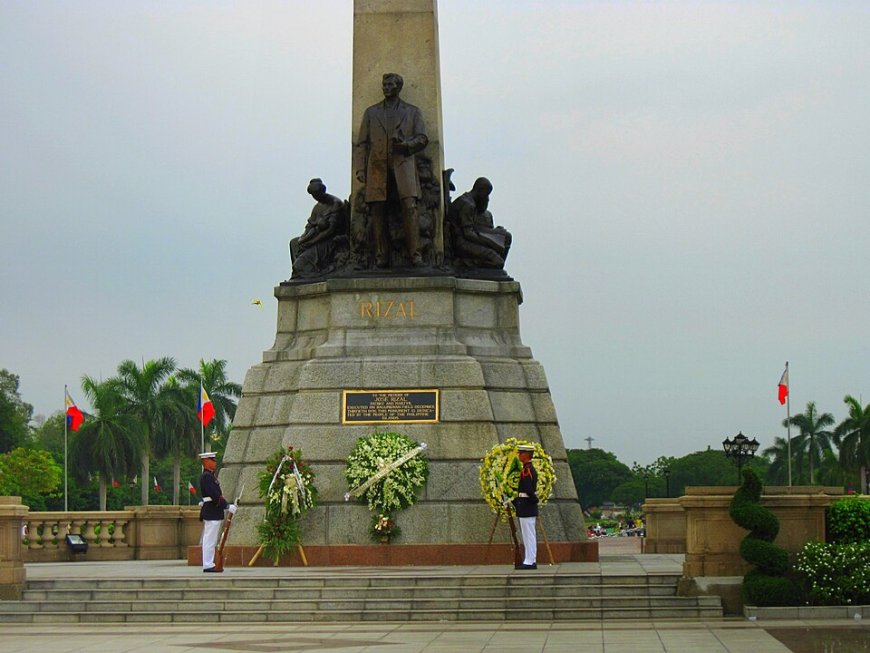
José Rizal's physical footprint stretches far beyond the Philippines. Because he studied, traveled, and lived across three continents, his presence today isn't confined to one country — it's scattered across cities, universities, parks, and street corners around the globe, each one marking a moment in his life or a tribute to his legacy. This article walks through the most significant places connected to Rizal, from his childhood home to the monuments raised in his honor thousands of miles away.
Homes and Birthplace
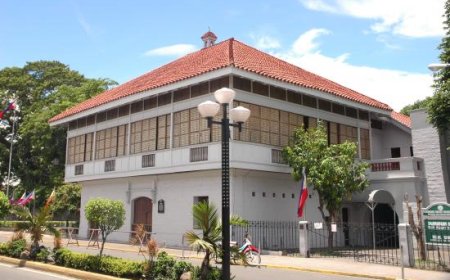
Rizal Shrine, Calamba, Laguna This is a reconstruction of the house where Rizal was born on June 19, 1861. The original structure was destroyed during World War II, but the shrine that stands today was carefully rebuilt to reflect the original bahay na bato architecture, and now serves as a museum housing memorabilia related to his early life and family.
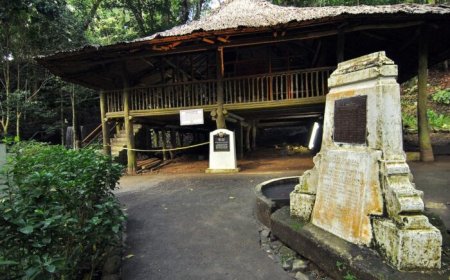
Rizal Shrine, Dapitan, Zamboanga del Norte This site marks the home Rizal built during his four years of exile from 1892 to 1896. It includes a reconstruction of his house, the school he built for local boys, and the water system he engineered for the community — a testament to how productive his exile years actually were, despite being a punishment.
Schools He Attended
- Ateneo Municipal de Manila (now Ateneo de Manila University) — where Rizal completed his Bachelor of Arts. The university continues to honor this connection through various commemorative markers and archives.
- University of Santo Tomas, Manila — where he began his studies in Medicine.
- Universidad Central de Madrid, Spain — where he completed his medical degree.
- Ruprecht-Karls-Universität Heidelberg, Germany — where he specialized in ophthalmology under Dr. Otto Becker.
Several of these institutions maintain plaques, exhibits, or dedicated corners commemorating Rizal's time there.
Countries With Rizal Monuments and Statues
Beyond the Philippines, José Rizal has been honored with monuments, statues, busts, or historical markers in at least the following countries:
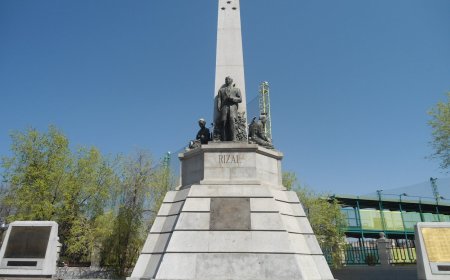
- Spain — Madrid (a bronze replica of the Luneta monument, sculpted by Filipino artist Florante Caedo)
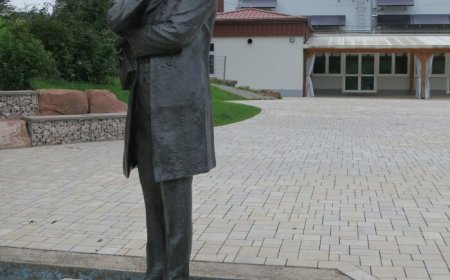
- Germany — Wilhelmsfeld, near Heidelberg (a full-body statue and dedicated Rizal Park, opened in 1978)
- Czech Republic — Prague (a bust unveiled in 2018 at the Czech National Bank, commemorating his 1887 visit) and Litoměřice (tied to his stay with Ferdinand Blumentritt)
- Italy — Rome, at Piazzale Manila (a life-sized bronze statue added for his 150th birth anniversary)
- Austria — historical markers connected to his travels and correspondence with Blumentritt
- China — Jinjiang, Fujian Province (an 18.61-foot monument, the tallest Rizal structure outside the Philippines, honoring his Chinese ancestry)
- Japan — Tokyo, at Hibiya Park (a bronze bust unveiled in 1998)
- Hong Kong — a historical marker at the site where he practiced as an ophthalmic surgeon
- Singapore — markers connected to his stopovers en route to and from Europe
- Sri Lanka — Colombo, at the Grand Oriental Hotel, where a suite is named in his honor
- United States — monuments and markers across several states and cities, including Chicago (two monuments), Seattle, Carson (California), Juneau (Alaska), Hawaii, Orlando (Florida), New Jersey, and New York City
- Canada — Montreal, Quebec (a bronze bust sculpted by Toym Imao)
- Peru — Lima (the country's first public park named after a foreign national hero)
- Australia — Sydney, at the Plaza Ibero Americana (a shared plaza with statues and busts of several national heroes from Spanish- and Portuguese-speaking nations)
This list reflects the most well-documented monuments, but new markers and tributes continue to be added over time, particularly by Filipino diaspora communities and partner governments.
Monuments and Memorials in the Philippines
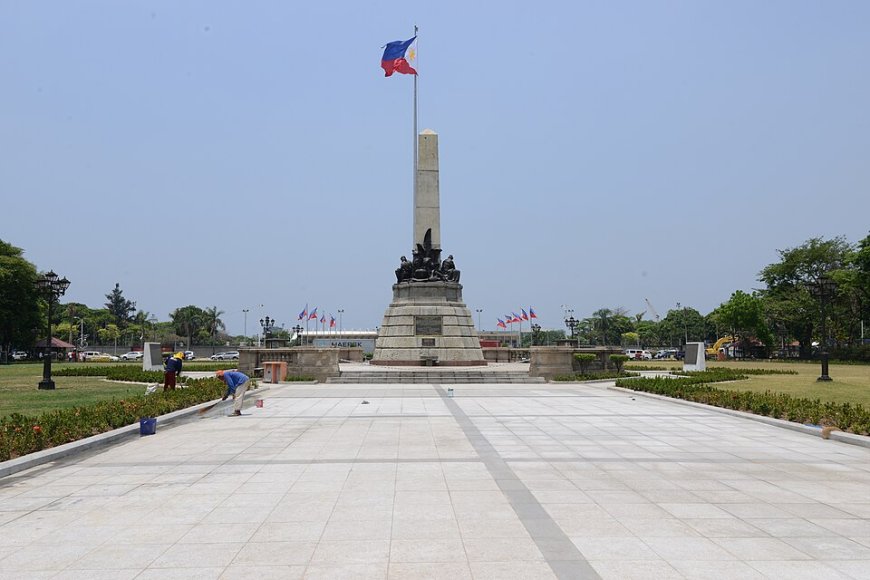
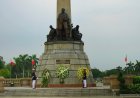
Rizal Park (Luneta), Manila Perhaps the most iconic Rizal site in the world, this is where he was executed on December 30, 1896, and today houses the Rizal Monument — a granite and bronze obelisk marking his gravesite, guarded around the clock and central to national ceremonies every Rizal Day.
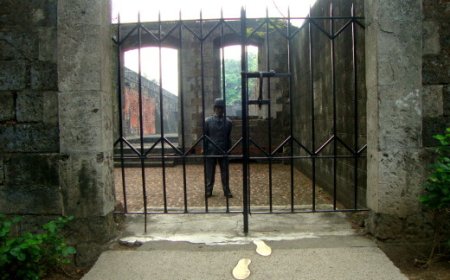
Fort Santiago, Intramuros, Manila The site of Rizal's final imprisonment before his execution. Today it houses the Rizal Shrine museum, including his actual cell and a set of bronze footprints marking the path he walked to his execution.
Beyond Manila, nearly every province and city in the Philippines has some form of Rizal monument, bust, street name (Rizal Avenue and Rizal Street are practically universal across Philippine towns), park, or school named after him — a reflection of just how deeply embedded he is in Filipino civic life.
Monuments Around the World
Rizal's international legacy is more extensive than most people realize:
- Madrid, Spain — A monument honoring Rizal stands in the city where he completed much of his education and began his political awakening.
- Wilhelmsfeld, Germany — A bust of Rizal stands here, marking his connection to Heidelberg and the broader German chapter of his life; the town has even named a street after him.
- Chicago, USA — A Rizal monument stands as a tribute from the Filipino-American community.
- Seattle, USA — Rizal Park in Seattle honors his legacy among the city's Filipino community.
- Hawaii, USA — Given the historic significance of Filipino migration to Hawaii, several memorials and cultural centers honor Rizal there as well.
- Tokyo, Japan — A monument commemorates his brief but meaningful stay in Japan.
- Hong Kong — Markers exist honoring his time there, particularly tied to his consideration of relocating his family beyond Spanish jurisdiction.
- London, England — A plaque marks his time researching at the British Museum.
Many of these international monuments were built or donated through partnerships between the Philippine government, local Filipino diaspora communities, and sometimes the host country's own cultural institutions — a sign of how his legacy has become a shared point of pride between Filipinos abroad and their host nations.
Museums
- National Museum of the Philippines — houses various Rizal artifacts, manuscripts, and artwork.
- Rizal Shrine museums in both Calamba and Dapitan, mentioned earlier, which function as immersive historical sites rather than traditional galleries.
- Fort Santiago's Rizal Shrine, which includes original manuscripts, personal items, and detailed exhibits walking visitors through his final days.
Streets and Parks
It would be nearly impossible to count every street, plaza, and park named after Rizal in the Philippines alone — nearly every municipality has at least one. Internationally, aside from the parks mentioned above, several Filipino diaspora communities have successfully lobbied local governments to name streets or public spaces after him, reinforcing his role as a unifying figure for Filipinos regardless of where they live.
Why These Places Matter
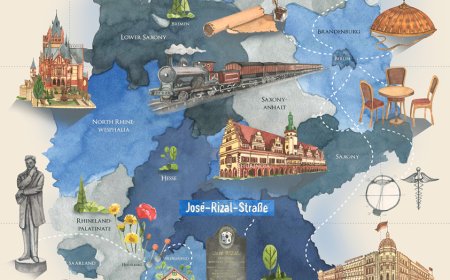
What makes Rizal's geography of memory so unique is its range — from a modest reconstructed childhood home in Laguna to monuments in cities he only passed through briefly during his travels. Each of these places serves a different function: some preserve where he lived and studied, others honor his ideas and sacrifice, and others reflect how far his story has traveled through Filipino communities scattered across the world. Taken together, they form something like a living map of a single life that managed to leave a mark on nearly every place it touched.
Note: Because new markers, murals, and commemorative sites are added over time — especially by diaspora communities — this list reflects the most well-documented and historically significant locations rather than an exhaustive worldwide count.