Discipline and Curiosity: What Made Rizal's Mind Work the Way It Did
José Rizal’s wide-ranging achievements came from two habits working together: a curiosity that kept him exploring medicine, art, language, science, and history, and a discipline, learned at home and at the Ateneo, that made sure each pursuit produced real results. Driven by a larger purpose of proving Filipino capability, his mind was cultivated through effort rather than simply given. Explore the habits behind José Rizal’s remarkable mind, from his curious childhood in Calamba to the steady discipline that carried him through medicine, writing, science, and languages, and what his example still teaches today.
 Moderator - Tomas Kauer
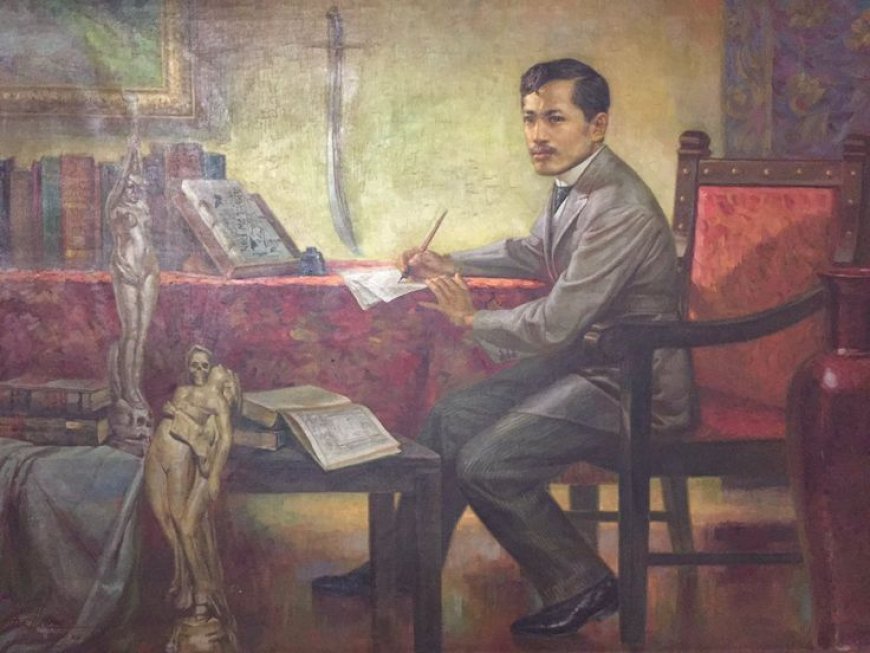
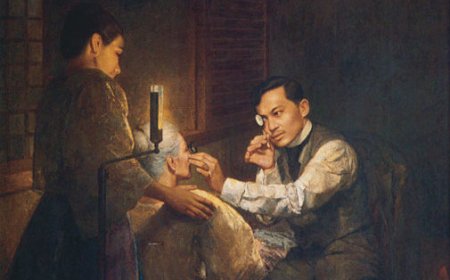
It is tempting to explain José Rizal with a single word: genius. But that word does very little work. It does not explain how one man could train as an eye surgeon, write two landmark novels, annotate a seventeenth-century chronicle, collect scientific specimens, and learn more than twenty languages, all before the age of thirty-five. A closer look at his life suggests something less mysterious and more instructive: a mind built on two habits working together, curiosity that kept opening new doors, and discipline that kept him walking through them.
Curiosity That Started at Home
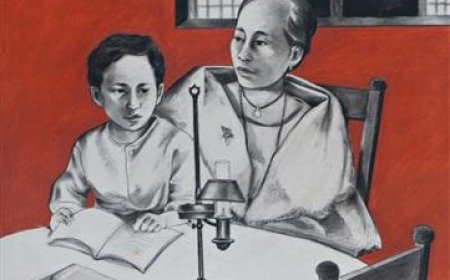
Rizal’s curiosity was visible early. By most accounts, he was reading before he ever entered a formal classroom, taught by his mother, Teodora Alonso, who encouraged questions rather than silencing them. Stories, fables, and poetry were part of daily life in the Calamba household, and young José showed an early habit of noticing things: animals, landscapes, the behavior of people around him.
That habit never left him. In Paris, he sat in a surgeon’s clinic by day and spent evenings in a painter’s studio. In London, he spent months in the British Museum reading room chasing a single old book. In Dapitan, with no laboratory and no university colleagues, he turned the surrounding forest into a field study, collecting insects, reptiles, and shells and sending them to European naturalists. Curiosity, for Rizal, was not a mood. It was a way of occupying any place he happened to be.
Discipline Learned From a Disciplined Household
If curiosity opened the doors, discipline kept him going through them. His father, Francisco Mercado Rizal, ran a household built on hard work and responsibility, and the Jesuit education Rizal received at the Ateneo reinforced it with structure: early mornings, memorization, composition, and constant evaluation. He graduated with highest honors, not because the work came without effort, but because he was willing to apply effort consistently.
The same discipline shows up in how he worked as an adult. Hand-copying a 351-page text at the British Museum is not an act of inspiration; it is an act of patience. Mastering the full range of eye surgery in a matter of months in Paris was a product of long clinic days, not a flash of talent. Even his friendships were sustained by discipline, most notably his long, steady correspondence with Ferdinand Blumentritt, which continued for years through hundreds of letters.
Why the Two Worked Better Together
Curiosity alone can produce a restless amateur, someone who starts many things and finishes few. Discipline alone can produce a skilled specialist who never looks beyond a single field. Rizal’s remarkable range came from the combination. His curiosity pulled him toward medicine, art, language, science, history, and politics. His discipline made sure each interest was pursued with enough seriousness to produce real results: a medical degree, published novels, an annotated historical edition, species named in his honor.
The pairing also explains why his interests rarely felt scattered. Medicine taught him careful observation, which fed his scientific work and the clinical precision of his essays. Art sharpened the vivid imagery of his novels. Languages gave him direct access to scholars and sources across Europe. Each pursuit reinforced the others.
A Mind Shaped by Purpose
What kept this combination from becoming mere self-improvement was purpose. Rizal understood that colonial authorities often justified their rule by portraying Filipinos as intellectually limited. Every discipline he mastered therefore carried a second meaning: it was also evidence. His learning was personal, but it was never only personal. It was part of an argument that Filipinos could meet any standard set for them, in any field.
This sense of purpose also explains his emphasis on education throughout his writing. He did not treat knowledge as a private treasure. He built a school in Dapitan, wrote essays arguing that opportunity, not character, explained colonial stereotypes, and insisted that a nation prepared through education would be better equipped for any future it faced.
The Human Side of the Habit
None of this means Rizal was a machine. His letters show homesickness, financial worry, frustration with fellow reformists, and affection for friends and family. He fell in love, grieved losses, and wrestled openly with difficult questions. Discipline did not erase those experiences; it gave him a way of working through them. Writing, studying, and making things were how he stayed steady when circumstances were anything but.
Why It Still Matters
Perhaps the most useful lesson of Rizal’s mind is that it was cultivated rather than simply given. A curious child was nurtured by a patient mother, shaped by disciplined schooling, and sustained by habits he kept up for the rest of his life. That is a more encouraging story than the myth of effortless genius, because it suggests the same ingredients, genuine curiosity and steady effort, remain available to anyone willing to practice them.
More than a century after his death, Rizal’s example still offers a quiet challenge: ask real questions, then do the patient work of answering them.