On This Day: Daily Highlights from the Life of José Rizal
This "On This Day" feature traces José Rizal's life through its most well-documented dates — from his birth in Calamba, to the publication of his novels, the founding of La Liga Filipina, his exile, and his execution on December 30, 1896. It highlights how his story unfolded in specific, real moments rather than just broad historical strokes. Discover key moments from José Rizal's life, dated day by day — from his birth and education to the publication of his novels, his arrest, exile, and execution. This feature brings his story closer to the present by marking the actual days history was made.
 Moderator - Tomas Kauer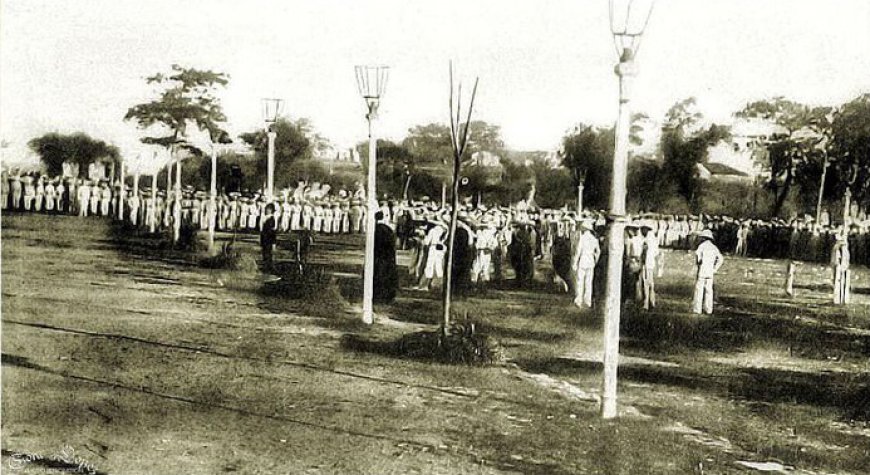
History rarely happens all at once — it unfolds day by day, in small decisions and quiet moments that only later reveal their significance. This feature, "On This Day," is dedicated to tracing José Rizal's life through that same lens: pinpointing the actual dates behind the milestones we usually only remember in broad strokes, and using them to bring his story closer to the present, one day at a time.
Below is a running highlight reel of some of the most well-documented dates in Rizal's life — the kind of entries this feature is built around. As more research and records are cross-referenced, this calendar can continue to expand with additional dates and lesser-known moments.
January – March
March 21, 1887 — Noli Me Tángere is published in Berlin, marking the first appearance of the novel that would expose the abuses of Spanish colonial rule to a wider audience and set the course for the rest of Rizal's public life.
April – June
June 19, 1861 — José Protasio Rizal Mercado y Alonso Realonda is born in Calamba, Laguna, the seventh of eleven children of Francisco Mercado Rizal and Teodora Alonso Realonda.
June 1882 — After secretly leaving the Philippines, Rizal arrives in Barcelona, Spain, beginning the European chapter of his education and political awakening.
June 26, 1892 — Rizal returns to the Philippines after years of study and activism abroad, setting the stage for the founding of La Liga Filipina just days later.
July – September
July 3, 1892 — Rizal founds La Liga Filipina in Manila, an organization aimed at uniting Filipinos through mutual aid, education, and peaceful reform.
July 6–7, 1892 — Rizal is arrested and shortly after ordered into exile in Dapitan, beginning a four-year period that, despite being a punishment, became one of the most productive chapters of his life.
September 18, 1891 — El Filibusterismo, the sequel to Noli Me Tángere, is published in Ghent, Belgium, deepening Rizal's exploration of reform, resistance, and the limits of peaceful change.
October – December
November 1896 — Following his arrest, Rizal is transported back to Manila to face trial on charges of rebellion, sedition, and conspiracy.
December 26, 1896 — Rizal is tried before a military court and found guilty, despite maintaining that he had no direct role in the armed uprising led by the Katipunan.
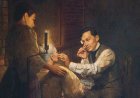
December 29, 1896 — On the eve of his execution, Rizal writes his final letters and composes Mi Último Adiós, hiding the poem inside an alcohol lamp for his family to find.
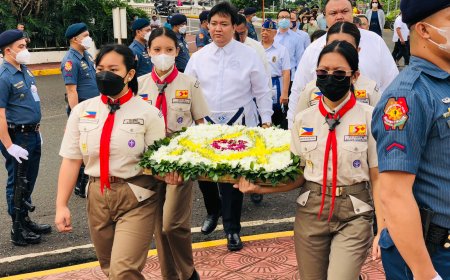
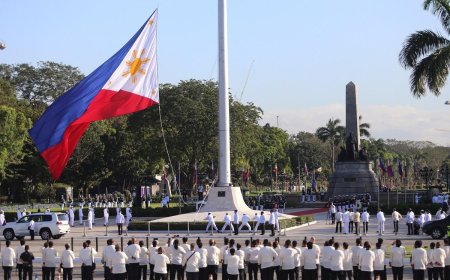
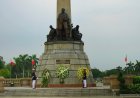
December 30, 1896 — Rizal is executed by firing squad at Bagumbayan (now Rizal Park, or Luneta) at the age of 35. This date is now observed annually as Rizal Day.
Why This Feature Matters
Reducing Rizal's life to a handful of famous dates — his birthday, his execution — flattens just how much happened in between. Behind every published novel, every arrest, every letter, and every quiet year of exile were specific days when decisions were made, risks were taken, and history quietly turned a corner. "On This Day" is an invitation to slow down and notice those moments as they actually happened, one date at a time, rather than skipping straight to the ending we already know.
Some dates in Rizal's life remain debated among historians due to inconsistent record-keeping in the 19th century. Where exact dates are uncertain, this feature relies on the most widely accepted historical accounts and will be updated as further research becomes available.