Madrid and the Birth of a Reformist Mind
Madrid played a crucial role in shaping José Rizal's political consciousness, transforming his personal grievances about colonial injustice into organized, articulate reformist thought. Surrounded by fellow Filipino students in the Propaganda Movement and exposed to European liberal ideas, Rizal moved from private frustration to public advocacy, laying the intellectual groundwork for Noli Me Tángere. Discover how Madrid shaped José Rizal's political awakening — from personal grievances rooted in his family's experience to the organized reformist thinking that would define his writing and activism.
 Moderator - Tomas Kauer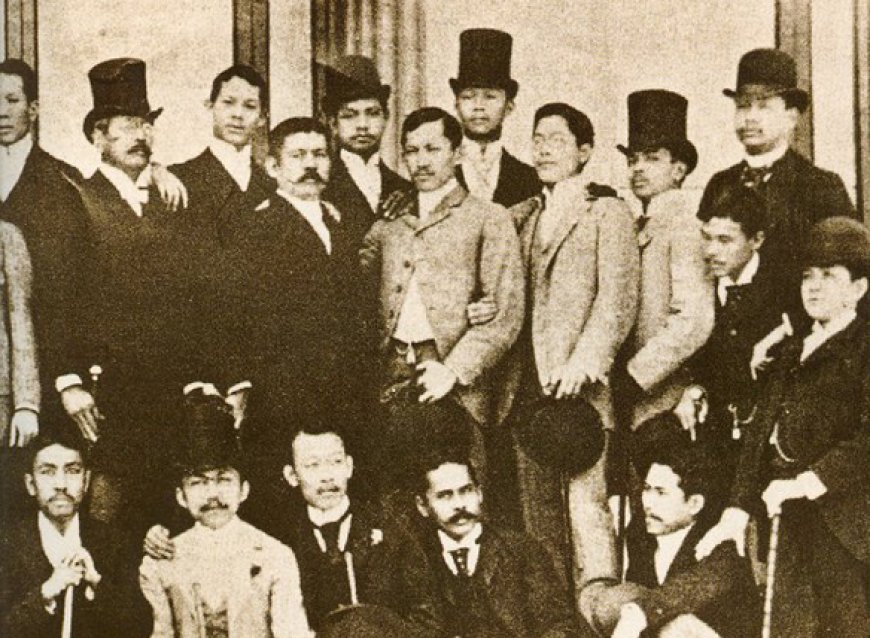
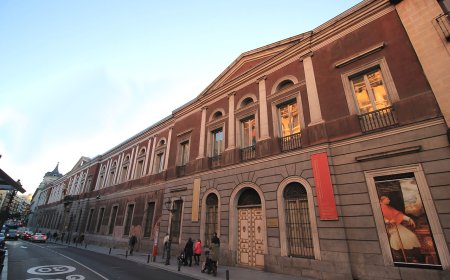
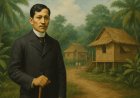
There's a difference between an education that fills your head with facts, and one that fundamentally changes how you see the world. For José Rizal, Madrid was the second kind. While his time there is often remembered primarily for the completion of his medical degree, the city played an equally significant, if less discussed, role: it was where Rizal's private frustrations with colonial injustice matured into an organized, articulate political philosophy.
Arriving With Questions, Not Just Ambitions
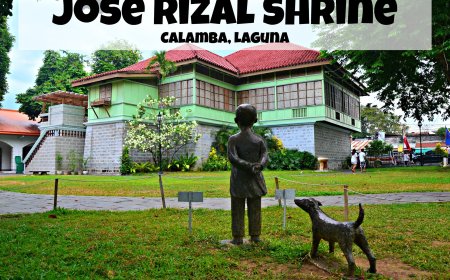
When Rizal arrived in Madrid in 1882, he carried with him more than academic goals. He came from a family that had already experienced firsthand the abuses of colonial and religious power through their ongoing tensions with the Dominican friars in Calamba, and from a country where opportunities for Filipinos — no matter how talented — remained deliberately limited by colonial policy.
Madrid offered Rizal something he couldn't fully access back home: distance. Removed from the immediate pressures and risks of colonial surveillance in the Philippines, he found space to think, read, and discuss these injustices more openly than would have been safe in Manila.
A City Full of Fellow Filipinos
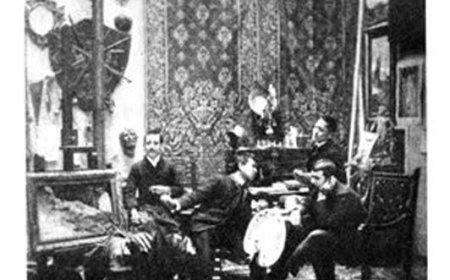
Rizal wasn't alone in Madrid. The city had become something of a hub for young, educated Filipinos pursuing studies abroad — many of whom shared similar frustrations about the state of their homeland. This community would eventually coalesce into what became known as the Propaganda Movement, a loose but increasingly organized network of Filipino students, writers, and professionals advocating for colonial reform through legal, peaceful means.
Living among figures like Marcelo H. del Pilar and Graciano López Jaena, Rizal found himself immersed in ongoing conversations about representation, rights, and the future of the Philippines — discussions that sharpened his own thinking considerably. Where his earlier awareness of injustice had been shaped largely through personal and family experience, Madrid exposed him to broader political theory, comparative colonial history, and the strategic question of how change might actually be achieved.
Exposure to European Liberal Thought
Madrid in the 1880s was itself a city grappling with political change, shaped by broader European currents of liberalism, nationalism, and reform movements. Rizal's studies exposed him not just to medicine, but to European political philosophy, history, and literature — intellectual tools that gave shape and structure to his previously more personal, emotional grievances about colonial rule.
This exposure helped Rizal develop the kind of systematic, evidence-based reasoning that would later define his major essays. Rather than simply expressing outrage at colonial abuse, he began developing structured arguments — the kind later seen in works like Sobre la Indolencia de los Filipinos, which methodically traces the roots of a colonial stereotype back to policy failures rather than character flaws.
From Personal Grievance to Public Advocacy
Perhaps the most significant shift that occurred in Madrid was Rizal's transition from private frustration to public advocacy. Surrounded by peers equally committed to reform, and with access to platforms like the newspaper La Solidaridad, Rizal began contributing essays and political writing meant not just to process his own feelings about colonial injustice, but to actively persuade — Spanish authorities, European audiences, and fellow Filipinos alike.
This marked a meaningful evolution: the once-private grievances of a farming family in Calamba were now being translated into structured, public arguments aimed at influencing colonial policy at its very source.
The Beginning of Noli Me Tángere
It was also during this period in Madrid that Rizal began seriously conceptualizing what would eventually become Noli Me Tángere. While the novel wouldn't be completed and published until later, during his time in Germany, its intellectual foundations — the specific critiques of friar abuse, colonial hypocrisy, and systemic injustice — were significantly shaped by the political education and community Rizal found in Madrid.
Why Madrid Represents a Turning Point
It's tempting to think of Rizal's political awakening as something that happened gradually and evenly throughout his life, but Madrid represents a genuine inflection point. It was the place where personal experience met formal political theory, where isolated frustration met organized community, and where a talented young medical student began the transformation into the writer and reformist history would come to remember.
In this sense, Madrid's significance in Rizal's story extends well beyond his medical degree. It was, in a very real sense, the birthplace of the reformist mind that would go on to write two of the most consequential novels in Philippine history — proof that sometimes, the most important thing a city offers isn't a diploma, but the intellectual community and political clarity needed to turn personal conviction into public purpose.