Rizal Shrine, Calamba: The Reconstructed House Where He Was Born
The Rizal Shrine in Calamba is a faithful reconstruction of José Rizal's childhood home, rebuilt after its destruction in World War II. Built in the traditional bahay na bato style, it preserves the setting where his mother Teodora Alonso taught him to read and write, and where the family's land dispute with Dominican friars shaped his early worldview. Visit the Rizal Shrine in Calamba, the reconstructed birthplace of José Rizal. Explore the childhood home where his mother first taught him to read, and learn how his family's early experiences shaped the man who became the Philippines' national hero.
 Moderator - Tomas Kauer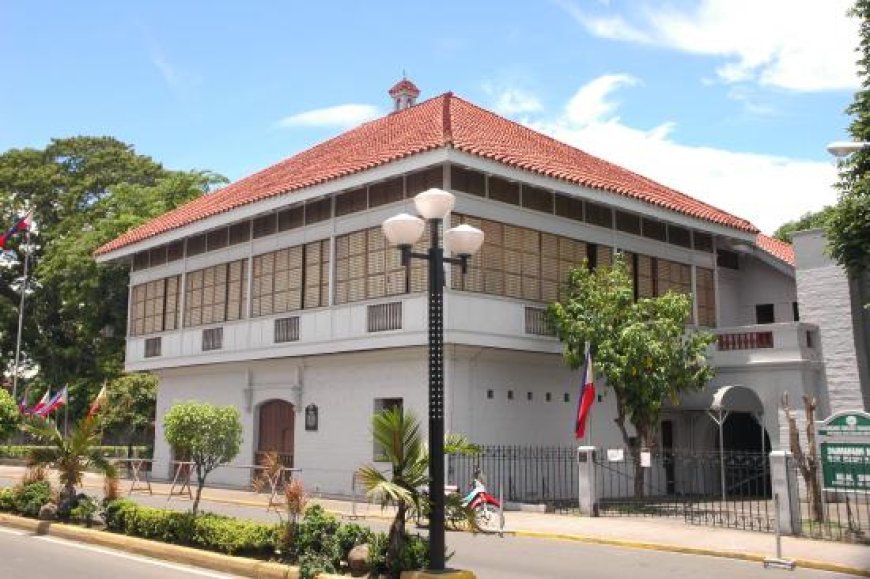
Every hero's story has to start somewhere, and for José Rizal, that somewhere was a modest house in Calamba, Laguna — the place where he was born, where his mother taught him his first letters, and where the earliest foundations of his character were quietly laid. Today, that same spot is home to the Rizal Shrine, a careful reconstruction that allows visitors to stand where his story truly began.
A House Rebuilt From Memory and Records
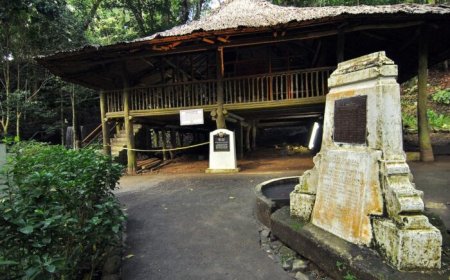
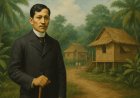
The original Rizal family home in Calamba did not survive intact into the present day — it was destroyed during the devastation of World War II, along with much of the surrounding town. What stands today is a faithful reconstruction, built using historical records, photographs, and descriptions to recreate the house as closely as possible to how it would have looked during Rizal's childhood.
The house reflects the traditional bahay na bato architectural style common among middle-class Filipino families of the era — a structure combining a solid stone or masonry ground floor with a wooden upper level, designed to suit the tropical climate while reflecting the family's relatively comfortable, though not wealthy, standing in the community.
Stepping Into Rizal's Childhood
Inside the shrine, visitors can walk through rooms recreated to reflect the domestic life of the Rizal family in the mid-1800s — from the living quarters to spaces believed to have been used for the private lessons Rizal's mother, Teodora Alonso, gave him before he ever attended formal school.
The shrine houses memorabilia and exhibits related to Rizal's early life and family background, offering context not just about Rizal himself, but about the Mercado-Rizal family as a whole — their livelihood as farmers and leaseholders, their religious practices, and the disciplined, education-focused household that shaped his early years.
Why Calamba Matters
Calamba wasn't simply Rizal's birthplace — it was the setting for some of the formative experiences that shaped his later worldview. It was here that his family became entangled in a bitter legal dispute with the Dominican friars over their leased farmland, an experience that left a lasting impression on young José and is often cited as one of the early influences behind his later criticism of abuses of colonial and religious power.
This makes the Rizal Shrine in Calamba more than a simple birthplace marker — it's a window into the specific social and economic conditions that shaped the man who would go on to challenge an entire colonial system.
Visiting the Shrine Today
The Rizal Shrine in Calamba remains a popular stop for students, historians, and heritage travelers tracing Rizal's life from beginning to end. It's often visited alongside other regional historical sites in Laguna, offering a grounding, personal starting point before following his story onward to Manila, and eventually across the world.
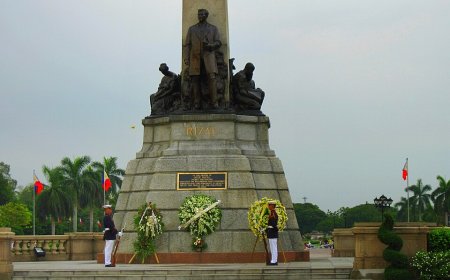
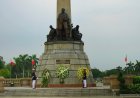
For many visitors, standing inside the reconstructed walls of this house offers something the larger, more monumental tributes elsewhere can't quite replicate: a sense of scale — a reminder that before he was a national hero, an international symbol of resistance, or a name attached to monuments across multiple continents, José Rizal was simply a boy in a modest house in Calamba, being taught to read by his mother.
Note: Visiting hours, entrance fees, and current exhibits at the Rizal Shrine in Calamba may change over time. We recommend checking with the National Historical Commission of the Philippines or local tourism offices for up-to-date visitor information.