The Many Talents of José Rizal: Doctor, Writer, Artist, Scientist
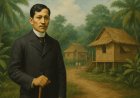
José Rizal defies easy categorization — he was a trained ophthalmologist, a groundbreaking novelist, a self-taught artist, a naturalist with species named in his honor, a fluent speaker of over twenty languages, a historian, and even an engineer who built a water system during his exile. Each discipline he mastered served as living proof against colonial claims of Filipino inferiority. Explore the many talents of José Rizal — doctor, writer, artist, scientist, linguist, and historian — and discover how his mastery across so many fields became a quiet form of resistance against colonial stereotypes.
 Moderator - Tomas Kauer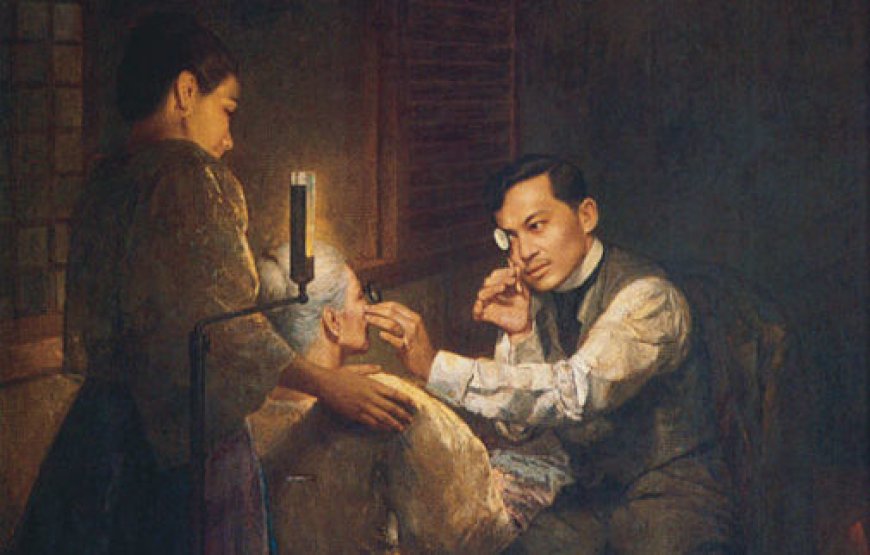
Ask most people to describe José Rizal in a single word, and you'll likely hear "hero," "writer," or perhaps "doctor." The honest answer, though, is that no single label really fits. Rizal was one of those rare figures whose curiosity and discipline stretched across an almost bewildering range of fields — medicine, literature, visual art, science, linguistics, and more — each pursued with a level of seriousness that would be impressive even as someone's sole profession, let alone one of many.
The Doctor
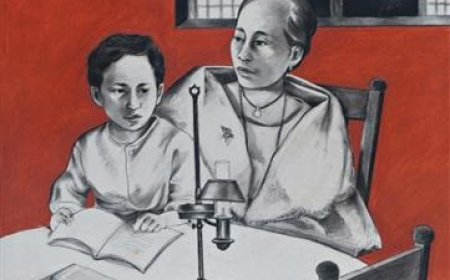
Rizal's medical training began at the University of Santo Tomas and continued through the Universidad Central de Madrid, eventually leading him to specialize in ophthalmology under some of Europe's leading specialists, including Dr. Otto Becker in Heidelberg. His motivation was deeply personal — he wanted to treat his mother's failing eyesight — but his commitment to medicine extended well beyond that single goal.
Throughout his life, Rizal practiced medicine wherever he found himself, including during his exile in Dapitan, where he treated local patients and became known for his skill and generosity as a physician, even while living under colonial punishment. His medical training also gave him a scientific rigor that shaped how he approached nearly everything else he did, from his historical research to his systemic analysis of colonial injustice.
The Writer
Rizal's literary legacy is, understandably, what most people associate him with today. His two novels, Noli Me Tángere and El Filibusterismo, remain foundational texts in Philippine literature and history, exposing the abuses of Spanish colonial rule with a precision and emotional depth that continues to resonate more than a century later.
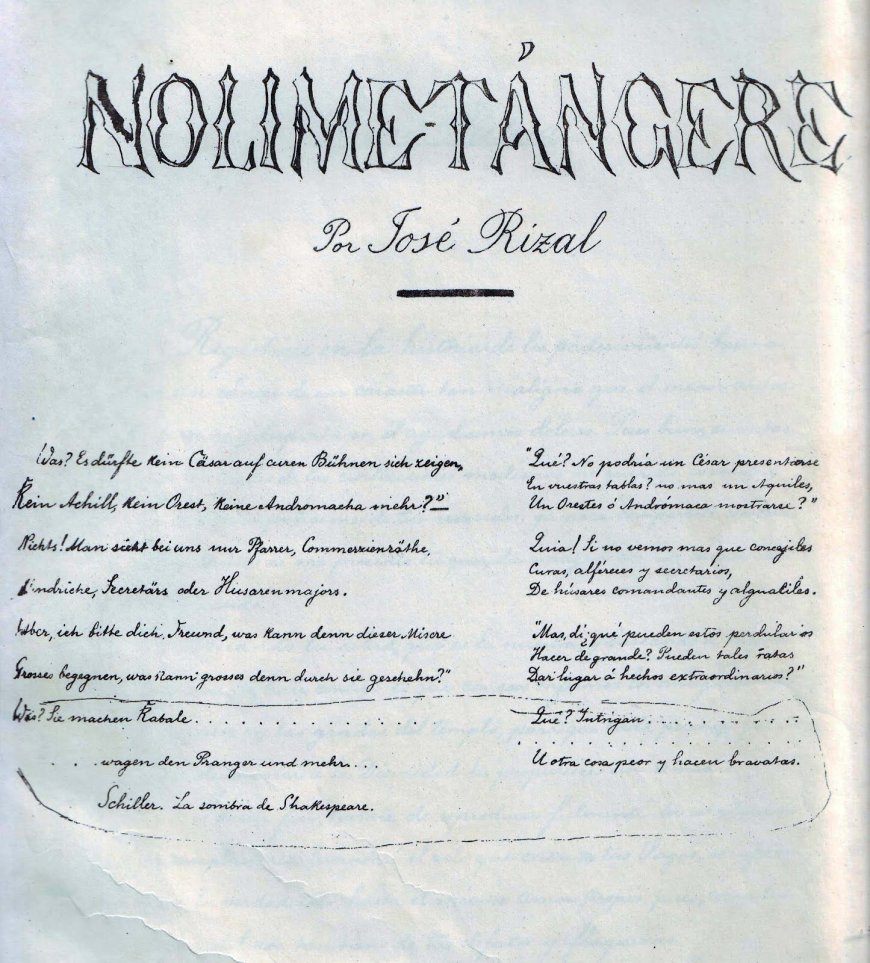
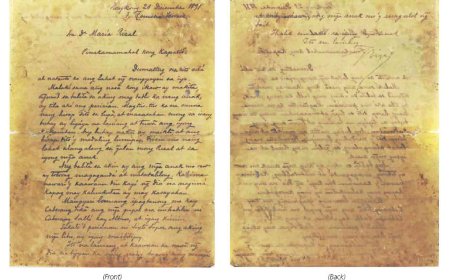
But his writing extended far beyond these two novels. He produced sharp political essays like Sobre la Indolencia de los Filipinos and Filipinas Dentro de Cien Años, deeply personal poetry including Mi Último Adiós, and an enormous volume of correspondence with friends, family, and fellow reformists — letters that today offer some of the richest insight into his private thoughts and evolving ideas.
The Artist
Long before he became known as a novelist, Rizal showed an early talent for visual art. As a child, he experimented with drawing and sculpting, often working with clay or wax to create small figures. This artistic instinct never fully left him — throughout his life, he continued sketching, and he's known to have created small sculptures and carvings, including works produced during his years of exile in Dapitan.
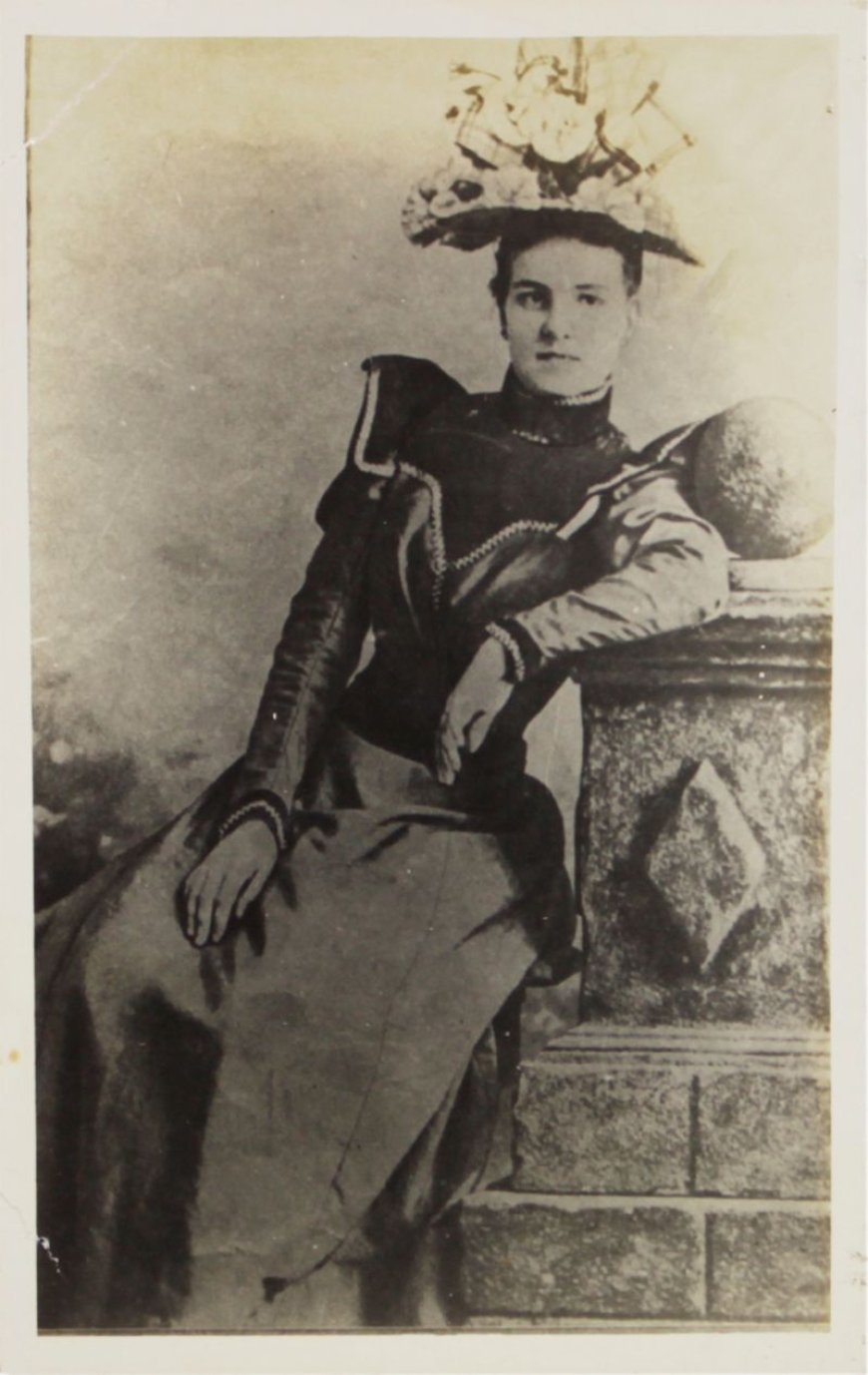
His artistic sensibility wasn't confined to formal artwork, either. It shows up in the vivid, detailed imagery throughout his novels and poetry, reflecting a mind that consistently thought in visual, narrative terms — a quality that likely made his written descriptions of colonial injustice all the more vivid and difficult for readers to ignore.
The Scientist
Rizal's scientific curiosity extended well beyond medicine. He studied and contributed to fields including botany, zoology, and anthropology, corresponding with European scholars about his findings and observations, particularly during his time in Dapitan, where he had ample opportunity to study local flora, fauna, and ethnography.
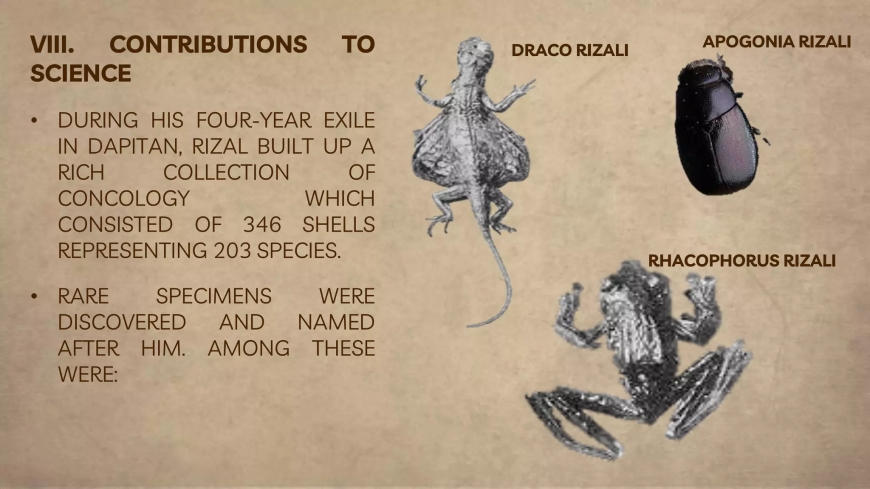
His scientific contributions weren't purely theoretical — a species of flying lizard (Draco rizali) and a species of frog (Rhacophorus rizali) were named in his honor by fellow naturalists, in recognition of specimens he collected and contributed to broader scientific study. This wasn't a hobby dabbled in casually; it reflected the same rigorous, evidence-based approach he brought to medicine and historical research.
The Linguist
Perhaps one of Rizal's most staggering, and often underappreciated, talents was his command of language. He is widely reported to have been fluent or proficient in more than twenty languages, including Spanish, English, French, German, Italian, Latin, and even Japanese and Russian, among others.
This linguistic ability wasn't simply academic showmanship — it allowed him to engage directly with scholars, texts, and ideas across multiple countries and traditions without relying on translation, giving him access to a genuinely international body of knowledge that few of his contemporaries, Filipino or otherwise, could match.
The Historian
Rizal's intellectual range extended into historical scholarship as well, most notably through his annotated edition of Antonio de Morga's Sucesos de las Islas Filipinas. Rather than simply translating or republishing the centuries-old text, Rizal added extensive footnotes and commentary, using careful historical analysis to challenge colonial narratives and highlight the sophistication of pre-colonial Philippine society — applying the same rigorous, evidence-based mindset that defined his medical and scientific work to the study of history itself.
The Engineer and Educator
During his exile in Dapitan, Rizal's practical talents came sharply into focus. He designed and helped construct a water supply system for the town, applying scientific and engineering knowledge to solve a real community need. He also built and ran a small school, teaching not only academic subjects but practical skills like farming and carpentry — proof that his intellectual gifts were never purely theoretical, but consistently aimed at tangible, useful outcomes.
Why So Many Talents Mattered
It would be easy to treat Rizal's many talents as simply an impressive list of achievements, but they served a deeper, more strategic purpose. Rizal understood that colonial authorities justified their rule partly by portraying Filipinos as intellectually and culturally inferior. Every discipline he mastered — medicine, science, art, literature, linguistics, history — functioned as direct, undeniable evidence against that narrative.
In this sense, Rizal's range wasn't just personal ambition or restless curiosity. It was, in its own quiet way, a form of resistance: proof, discipline by discipline, that a Filipino could excel at the highest levels in virtually any field a colonizer might claim to have a monopoly on.
A Legacy Too Big for One Title
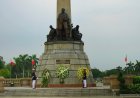
More than a century later, it's still difficult to summarize Rizal with a single label, and perhaps that's exactly the point. He wasn't simply a doctor who happened to write novels, or a writer who happened to dabble in science. He was, across every field he touched, disciplined, curious, and quietly determined to prove that brilliance has no nationality — a lesson that remains just as relevant today as it was during his own remarkable, multidisciplinary life.