The Rizal Family's Land Dispute with the Dominican Friars
Between 1887 and 1891, the Rizal family and hundreds of other tenants were caught in a bitter agrarian dispute with the Dominican friars over unfair rents and land practices at the Hacienda de Calamba. José Rizal helped draft a formal petition against the friars, but the conflict escalated into forced evictions, violence, and the loss of the Rizal family's home — an experience that directly shaped the darker tone of El Filibusterismo. Discover the Rizal family's personal experience with colonial injustice — the Hacienda de Calamba land dispute that led to their eviction and shaped José Rizal's growing resolve to confront the abuses of Spanish rule.
 Moderator - Tomas Kauer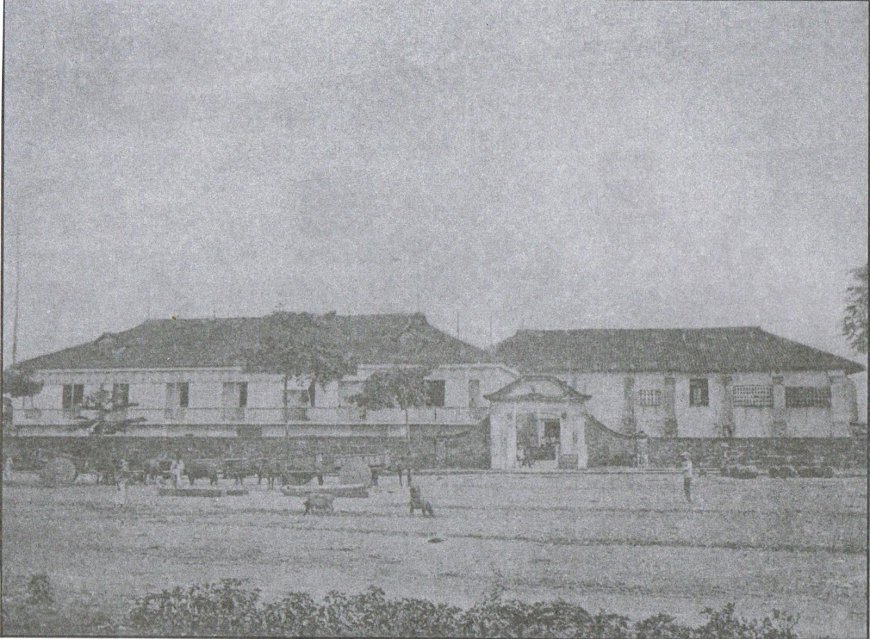
Long before José Rizal became known for novels that shook a colonial empire, his own family lived through a real, painful example of exactly the kind of injustice he would later write about. The Calamba agrarian dispute, which unfolded between 1887 and 1891, wasn't just background context for Rizal's political awakening — it was a direct, personal crisis that displaced his family, cost them their home, and left a permanent mark on how Rizal understood the abuse of power in colonial Philippine society.
The Roots of the Conflict
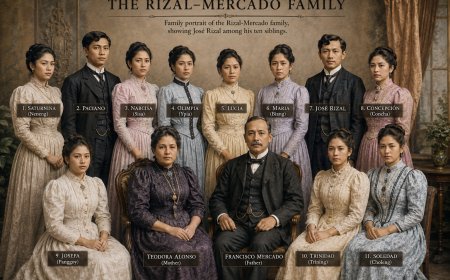
The Rizal family, like many others in Calamba, were tenants — known as inquilinos — leasing land that formed part of the Hacienda de Calamba, a large estate owned by the Dominican friars. Through generations of hard work and careful management, the Rizal-Mercado family had become one of the more prosperous tenant families on the hacienda, but they remained, legally and economically, dependent on land they didn't own.
Tensions had been simmering for years before the dispute fully erupted. Tenants across the hacienda had long complained about steadily rising rents, inconsistent record-keeping, and a lack of proper receipts for payments made to the friars — grievances that made it difficult for tenant families to prove what they had already paid, or to challenge sudden increases.
Rizal Enters the Dispute
In December 1887, the colonial government asked the Calamba town council to investigate whether the size and productivity of the Dominican estate had grown over the previous years, amid suspicion that the friars were underreporting income to avoid paying appropriate taxes. This inquiry became the spark for organized tenant resistance.
Rizal, who had briefly returned to the Philippines around this time, became directly involved. He conducted his own investigation into the hacienda's records and helped draft a formal petition, signed by dozens of tenants and local leaders, outlining specific grievances against the Dominican administration — including the unchecked rent increases and irregular accounting practices tenants had endured for years.
Rather than staying silent for the sake of his family's relative comfort, Rizal chose to use his education and writing skills to formally challenge the very institution his family depended on for their livelihood — a decision that would carry serious consequences.
Escalation and Legal Battles
What began as a formal complaint quickly escalated into a prolonged legal struggle. When tenants, encouraged by the momentum of the petition, began withholding rent payments, the Dominican friars responded by pursuing eviction through the courts. An initial ruling by the local Justice of the Peace favored the tenants, but the Dominicans successfully appealed to a higher provincial court, which ruled in their favor and ordered the nonpaying tenants to vacate hacienda lands.
The Rizal family's own case became one of the most prominent examples of this broader conflict. Despite an appeal all the way to the Tribunal Supremo in Madrid, the family was ultimately ordered to abandon their home. In a deliberate act of public humiliation, their furniture and belongings were removed from the house and left out in the street — a visible warning to other tenant families not to challenge the friars' authority.
Violence and Mass Eviction
The conflict didn't end with the Rizal family's eviction. Tensions continued to escalate over the following years, and by 1891, the situation had turned openly violent. Court-ordered evictions, backed by armed soldiers, resulted in burned homes, injuries among tenants, and the forced displacement of hundreds of families — some accounts describe well over 300 households losing their homes, farms, and livestock, with friends and relatives forbidden from sheltering them, leaving many to live along roadsides, under trees, or near the lakeshore.
This wasn't an isolated incident affecting only the Rizal family — it became one of the most significant expressions of peasant discontent in the Spanish colonial Philippines, drawing wider attention to the systemic abuses embedded in the hacienda system.
The Personal Cost to the Rizal Family
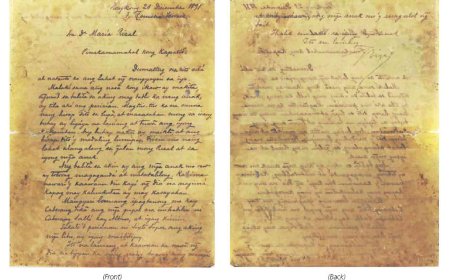
For José Rizal personally, the consequences extended well beyond the loss of his childhood home. Members of his family, including his father and siblings, faced continued harassment and, in some cases, exile from Calamba altogether. The dispute placed the family under significant financial and emotional strain, all while Rizal himself remained abroad, watching from a distance as the very abuses he had tried to formally challenge devastated his own household.
This period is widely regarded by historians as one of the most direct, personal influences behind the anger and moral urgency found in Rizal's second novel, El Filibusterismo, published in 1891 — the same year the worst of the Calamba evictions took place. Where Noli Me Tángere had been written from a place of hopeful reform, El Filibusterismo's far darker, more radical tone reflects a writer who had, by that point, watched peaceful legal challenge fail his own family in devastating fashion.
A Turning Point in Rizal's Understanding of Colonial Power
The Calamba dispute offers a crucial piece of context often missing from simplified versions of Rizal's story. His criticism of friars and colonial abuse wasn't purely theoretical or drawn solely from broader observation — it was rooted in a very real, very personal experience of watching legal channels fail his own family, watching neighbors lose their homes, and watching a powerful religious institution wield the courts as a tool of intimidation rather than justice.
In this sense, the Hacienda de Calamba dispute stands as one of the clearest bridges between Rizal's personal life and his public writing — a reminder that his fight against colonial injustice wasn't an abstract political stance, but something forged directly through his own family's suffering.