Rizalista Societies: The Global Network of Rizal Scholars and Enthusiasts
"Rizalista" refers both to scholars and civic members upholding Rizal's ideals through organizations like the Knights of Rizal, which has chapters worldwide, and to separate folk-religious sects that venerate Rizal as divine. Rizal himself pioneered international Philippine scholarship in 1889 by founding the Association Internationale des Philippinistes with Ferdinand Blumentritt as president. Explore the global network of Rizalista societies — from the Knights of Rizal's worldwide civic chapters to Rizal's own founding of an international scholarly association in 1889, and the distinct folk-religious movements that also carry his name.
 Moderator - Tomas Kauer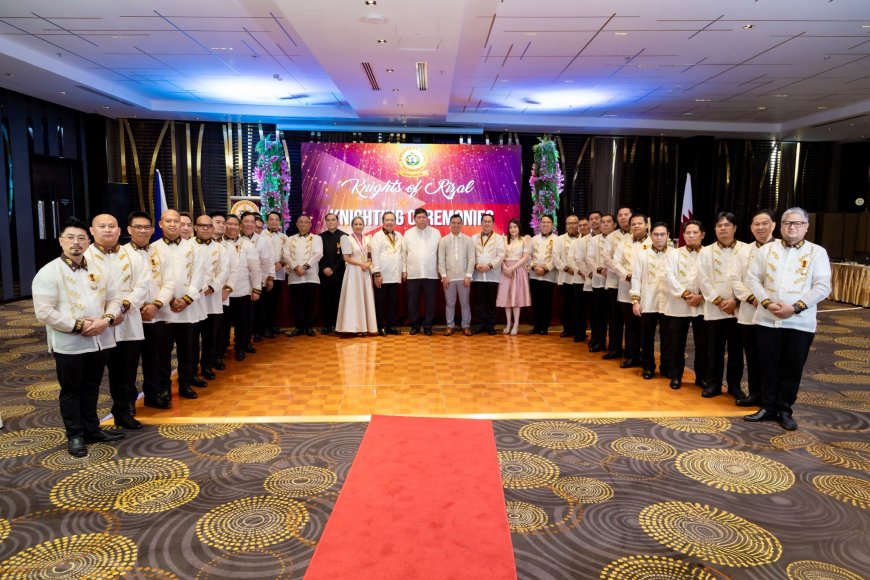
Rizalista Societies: The Global Network of Rizal Scholars and Enthusiasts
The word "Rizalista" carries more than one meaning, and understanding that distinction matters. Today, the term can signify either a scholar of Rizal or a member of one of several Philippine folk religions that regard Rizal as divine. This article focuses on the former — the global network of civic organizations, scholars, and enthusiasts who study, promote, and uphold Rizal's ideals — while briefly acknowledging the separate, folk-religious use of the term for context.

The Knights of Rizal: A Global Civic Network
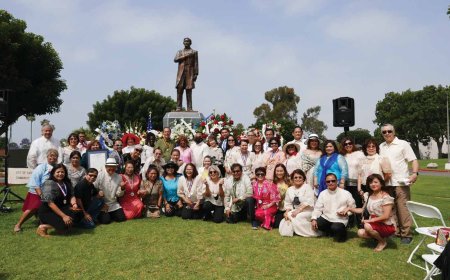
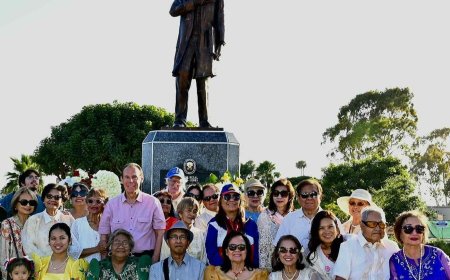
The most prominent and widely recognized organization in this space is the Knights of Rizal, an international civic and patriotic order dedicated to upholding Rizal's teachings and ideals. The organization boasts of dozens of chapters all over the globe, making it one of the largest and most geographically dispersed networks dedicated to a single Filipino historical figure.
Chapters of the Knights of Rizal operate not only across the Philippines but also within Filipino communities abroad, often serving as organizing bodies for Rizal Day commemorations, educational programs, and civic events that keep his legacy active within local communities. Membership typically draws from professionals, educators, and community leaders who see themselves as custodians of Rizal's values — discipline, education, reform, and service to one's community.
Rizal as a Founder of International Scholarship
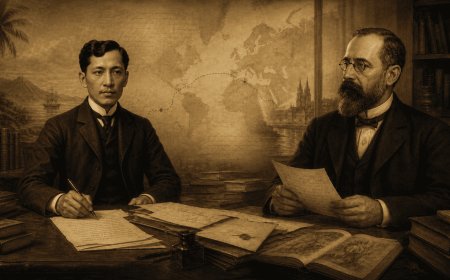
Interestingly, the idea of an international network built around Rizal isn't a purely posthumous development — Rizal himself helped lay the groundwork for it during his own lifetime. In 1889, Rizal surprised his close friend Ferdinand Blumentritt by forming the Association Internationale des Philippinistes, with himself serving as secretary. Rizal wanted the association to be genuinely international, planning to invite scholars interested in Philippine studies, and he chose Blumentritt as president given his standing as a respected defender of Rizal with strong connections to other European scholars.
This early effort reflects something important: Rizal wasn't simply a subject of later scholarly interest — he was, in his own right, an organizer who understood the value of building international academic communities focused on Philippine studies, decades before formal "Rizalista" scholarly circles would take shape in his memory.
The Folk-Religious Use of the Term
It's worth briefly noting the other meaning of "Rizalista," since it frequently appears in the same conversations. Separate from civic organizations like the Knights of Rizal, there exist remote-area religious sects that venerate Rizal as a folk saint, collectively known as the Rizalista religious movements, some of which regard him as a kind of sublimated Christ figure. These are distinct, independent folk-religious traditions rather than academic or civic organizations, and they represent a different, more spiritually-oriented dimension of how some communities have chosen to interpret and honor Rizal's memory over the generations.
Why a Global Network Formed at All
The existence of a worldwide network of Rizal-focused organizations, whether civic, academic, or cultural, speaks to something distinct about his legacy. Few historical figures generate this kind of sustained, organized international interest generations after their death. Part of this stems from the sheer breadth of Rizal's own life — a man who studied, wrote, and built relationships across multiple continents naturally left behind a legacy with genuinely international reach, rather than one confined to a single national narrative.
Additionally, because Rizal's ideals — education, reform, discipline, and resistance to injustice — aren't tied to any single political ideology, they've proven adaptable enough to inspire civic organizations, academic researchers, and everyday community members alike, each finding their own way to organize around his memory.
Why This Network Still Matters Today
Whether through the structured civic chapters of the Knights of Rizal, ongoing academic research building on Rizal's own early efforts at international scholarship, or the more localized folk traditions that have grown up independently, the global "Rizalista" community reflects something Rizal likely would have appreciated: a continued, active engagement with ideas rather than passive historical memory. His own attempt to formalize international Philippine scholarship during his lifetime suggests he understood, even then, that ideas survive best not in isolation, but within organized, ongoing communities dedicated to keeping them alive.