The Community Around José Rizal: Family, Mentors, Friends, and the Legacy That Lives On
José Rizal's life was shaped by a wide circle of people — his family, especially his brother Paciano, who introduced him to reformist ideas; mentors who sharpened his intellect; and contemporaries in the Propaganda Movement who fought alongside him for change. His closest friendship was with Ferdinand Blumentritt, an Austrian scholar he never lived near but corresponded with for years. More than a century later, that community has grown to include historians, museums, and cultural institutions that keep his legacy alive through conferences, publications, and exhibitions. Meet the people who shaped José Rizal's life and the community that continues his legacy today — from his family and mentors to his closest friend Ferdinand Blumentritt, fellow reformists, and the conferences, museums, and cultural events that honor him around the world.
 Moderator - Tomas Kauer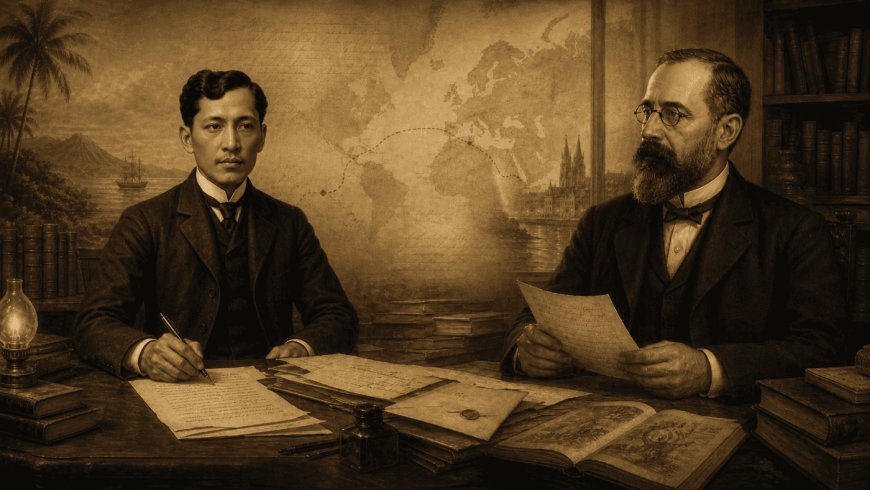
No hero exists in isolation. Behind every letter Rizal wrote, every idea he refined, and every risk he took, there was a circle of people — family who shaped his character, mentors who sharpened his mind, friends who supported him through exile and hardship, and contemporaries who either stood beside him or pushed him to think differently. And long after his death, that circle has only grown, as scholars, institutions, and communities continue to study, debate, and celebrate his life through conferences, publications, exhibitions, and cultural events. This article looks at the people who shaped Rizal, and the ongoing community that keeps his legacy alive today.
Family: The Foundation
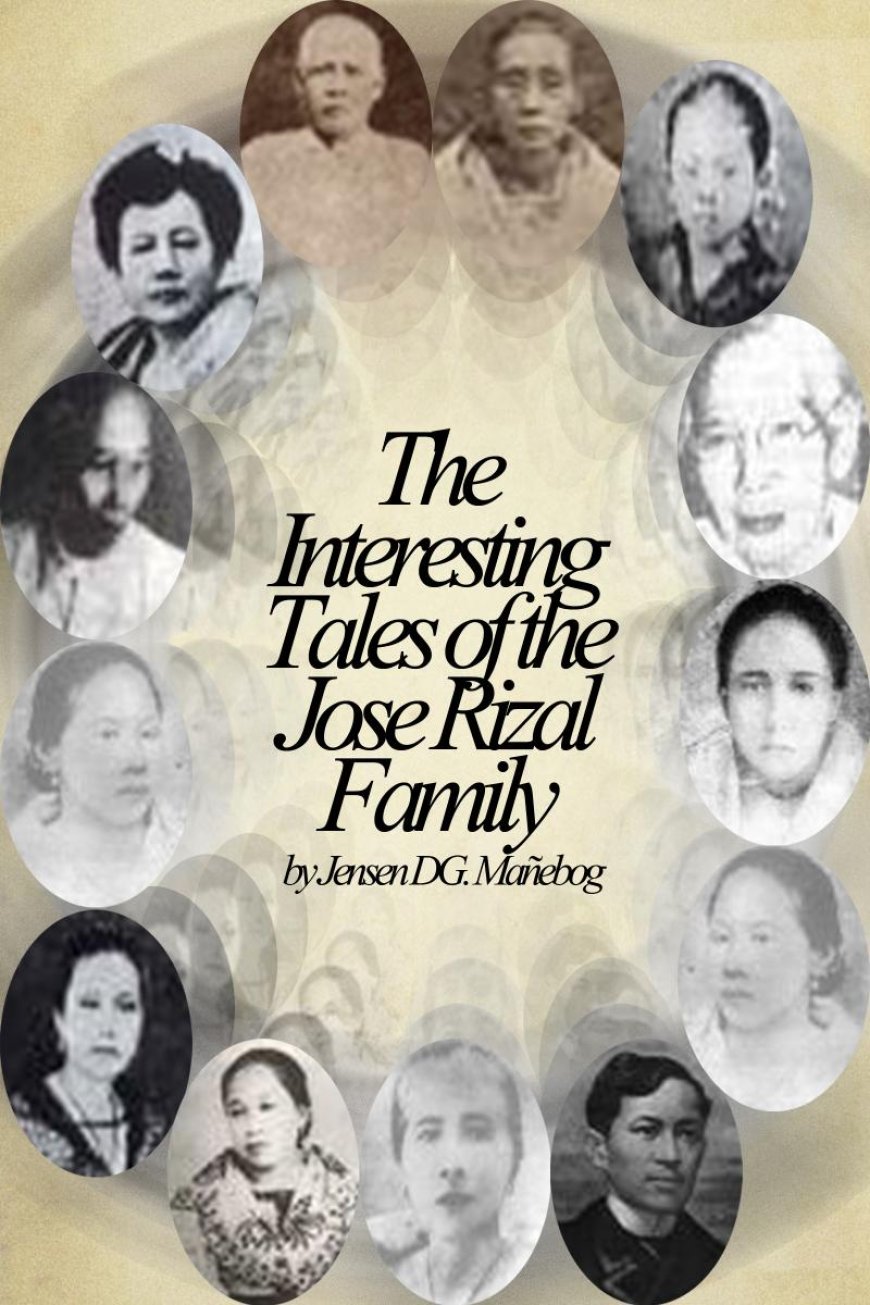
Rizal's family was the first and most enduring influence on his life.
- Francisco Mercado Rizal, his father, was a hardworking farmer and a firm believer in discipline and education, instilling in his children a strong sense of responsibility.
- Teodora Alonso Realonda, his mother, was Rizal's first teacher and one of the most educated women of her time. Her influence on his early love of reading and writing cannot be overstated.
- Paciano Rizal, his older brother, was arguably the most important figure in shaping Rizal's political consciousness. Paciano was himself involved in reformist and later revolutionary circles, and it was largely through him that Rizal was introduced to the ideas of Father José Burgos and the broader movement for Filipino rights. Paciano funded much of Rizal's education abroad and remained a steady, guiding presence throughout his life.
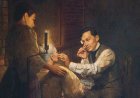
- His sisters, particularly Trinidad and Narcisa, remained close to him throughout his exile and imprisonment. It was Trinidad who received the hidden final poem, Mi Último Adiós, smuggled out inside an alcohol lamp the night before his execution.
Mentors: The Minds That Shaped Him
Rizal's intellectual growth was shaped by several key teachers and mentors across different stages of his life:
- Father Francisco de Paula Sánchez, one of his Jesuit teachers at the Ateneo Municipal de Manila, is often credited with recognizing and encouraging Rizal's literary talent early on.
- Dr. Otto Becker, the renowned German ophthalmologist under whom Rizal trained in Heidelberg, helped refine his medical expertise and exposed him to the rigor of European scientific institutions.
- Pablo Pastells, a Jesuit priest with whom Rizal engaged in an extended written debate on faith, reason, and the Catholic Church during his exile in Dapitan. Their exchange of letters is one of the richest records of Rizal's religious and philosophical thinking.
Friends and Contemporaries
Rizal moved in circles that included some of the era's most prominent Filipino intellectuals and activists:
- Marcelo H. del Pilar, a fellow leader of the Propaganda Movement in Spain, though the two sometimes clashed over leadership and strategy within the movement.
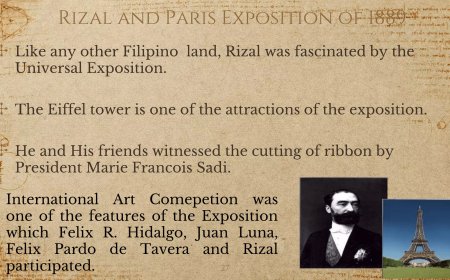
- Juan Luna and Félix Resurrección Hidalgo, celebrated Filipino painters whose award-winning works in Europe Rizal publicly praised in a famous 1884 speech, using their success as evidence of Filipino talent on the world stage.
- Graciano López Jaena, another key figure of the Propaganda Movement and founder of La Solidaridad, the newspaper where much of Rizal's political writing was published.
- Andrés Bonifacio, founder of the Katipunan, who greatly admired Rizal and was influenced by his novels, even though the two never worked directly together and held somewhat different views on the pace and method of revolution.
Ferdinand Blumentritt: The Closest Friendship
Among all of Rizal's relationships, his friendship with Ferdinand Blumentritt, an Austrian ethnologist and educator, stands out as one of the most significant. The two met only once in person, yet maintained an extraordinarily close correspondence for years, exchanging letters on history, linguistics, ethnography, and politics.
Blumentritt became one of Rizal's most trusted confidants and intellectual sounding boards, despite having never set foot in the Philippines himself. Rizal dedicated El Filibusterismo to Blumentritt, a testament to how deeply he valued their friendship. Their letters remain an important historical resource, offering insight into Rizal's private thoughts that his more public writings don't always reveal.
Supporters and the Propaganda Movement
Beyond individual friendships, Rizal was part of a broader network of Filipino reformists based in Spain, collectively known as the Propaganda Movement. This loose alliance of writers, students, and professionals — including figures like Mariano Ponce and José Alejandrino — worked together to lobby for reforms, publish reformist literature, and build political awareness both in Europe and back home in the Philippines. While the group had internal disagreements over strategy and leadership, their collective efforts laid much of the intellectual groundwork for the national movement that followed.
Keeping the Legacy Alive: Conferences, Publications, and Exhibitions
Rizal's story didn't end in 1896 — if anything, the community around his legacy has only expanded in the century since. Today, that community includes historians, educators, museums, and cultural institutions around the world.
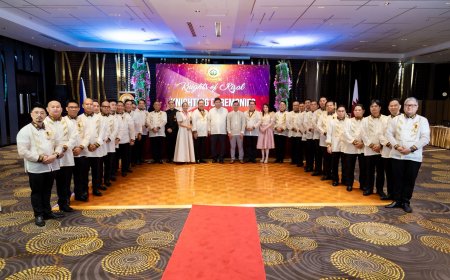
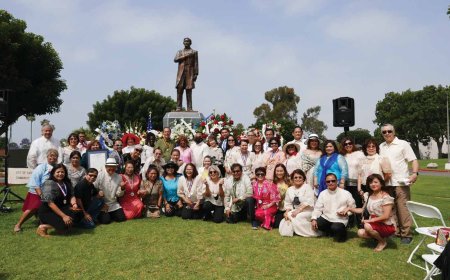
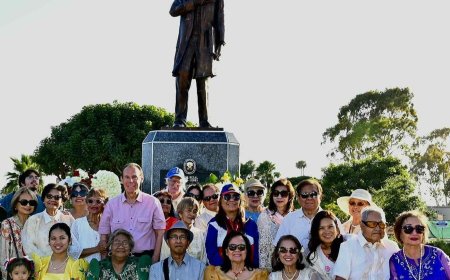
- Academic conferences on Rizal's life and works are held regularly in the Philippines and internationally, often organized by universities, the National Historical Commission of the Philippines, and international Rizalista societies (groups dedicated to Rizal scholarship).
- Publications continue to reexamine his writings, letters, and historical context, ranging from new translations of his novels to critical scholarship on his political philosophy and personal life.
- Museums and exhibitions, such as those at Fort Santiago in Intramuros (the site of his final imprisonment) and the Rizal Shrine in Dapitan, preserve his personal effects, manuscripts, and artifacts, allowing new generations to engage with his story firsthand.
- Cultural events, particularly around Rizal Day on December 30 and his birthday on June 19, include reenactments, literary readings, art exhibits, and public commemorations across the Philippines and in Filipino communities abroad.
A Legacy Built by Many Hands
What becomes clear when looking at the people around Rizal is that his story was never a solo act. His family gave him purpose, his mentors gave him tools, his friends gave him support, and his contemporaries gave him both allies and healthy friction to sharpen his ideas against. And in the century since his death, an entire community of scholars, institutions, and everyday Filipinos has continued that work — keeping his ideas alive not as static history, but as an ongoing conversation about who Rizal was, what he believed, and what his life still means for the Philippines today.