Rizal Clubs and Associations Around the World
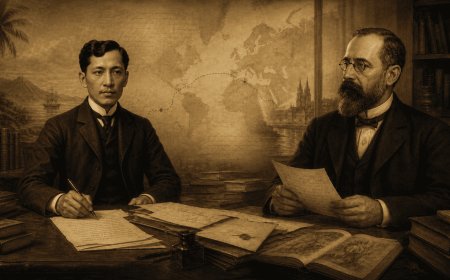
José Rizal was himself an active organizer, founding clubs like the Kidlat Club and Indios Bravos in Paris, and planning the International Association of Filipinologists with Ferdinand Blumentritt in 1889. Today, that same spirit continues through organizations like the Knights of Rizal, an international civic order with chapters worldwide, and countless local Rizal clubs formed by diaspora communities. Discover the clubs and associations connected to José Rizal, from the societies he personally founded in Paris to the global network of Knights of Rizal chapters and local diaspora clubs that continue his legacy of organized community today.
 Moderator - Tomas Kauer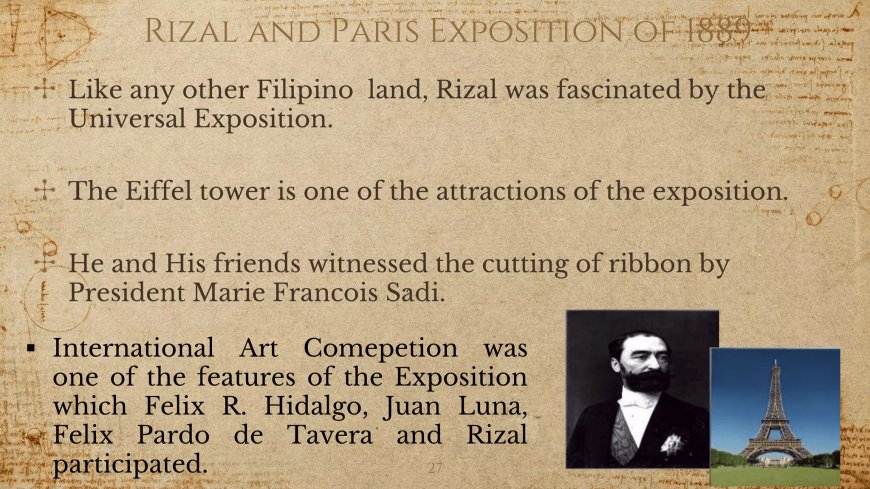
José Rizal wasn't just a subject of organized admiration after his death, he was, during his own lifetime, an active organizer of clubs and societies, particularly during his years in Europe. That instinct for building community around shared purpose didn't end with his execution. Today, well over a century later, clubs and associations bearing his name continue to bring people together, both in the Philippines and among Filipino communities scattered across the globe.
The Clubs Rizal Himself Founded
Long before "Rizalista" societies existed to honor his memory, Rizal was already forming organizations of his own, particularly during his time in Europe.
Circulo Hispano-Filipino (1882) was among the earliest organizations Rizal became involved with shortly after arriving in Spain, bringing together Filipino and Spanish members interested in colonial reform and cultural exchange.
Kidlat Club (1889) was formed in Paris during the 1889 Universal Exposition, when Rizal organized a group of young Filipinos living in the city into a social society, offering a way for them to enjoy their time in Paris together while the international exposition drew massive crowds.
Indios Bravos grew out of that same Paris social circle, evolving into a group that, among other activities, practiced martial arts and fencing together, reflecting Rizal's belief in building not just intellectual solidarity among Filipinos abroad, but physical discipline and confidence as well.
R.D.L.M. (Redención de los Malayos) was a more secretive society Rizal organized in Paris, aimed at propagating knowledge and awareness about the Philippines among its members.
The International Association of Filipinologists, planned by Rizal in 1889, was perhaps his most ambitious organizational project, an attempt to formally establish an international scholarly congress dedicated to the scientific and historical study of the Philippines, timed to coincide with the 1889 Paris Exposition. Rizal designated his close friend Ferdinand Blumentritt as president and served as secretary himself, reaching out to European scholars to help build out the association's founding committee. Though the planned congress in Paris never fully materialized as intended, the project reflects how seriously Rizal took the idea of organized, international collaboration around Philippine studies, decades before such academic networks would take shape in his own memory.
The Knights of Rizal: A Global Modern Network
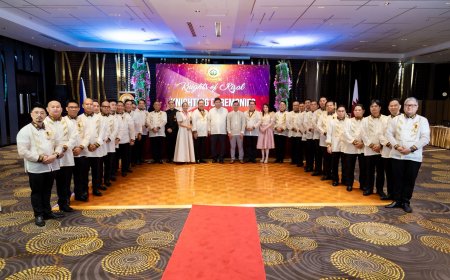
Among organizations founded specifically to honor Rizal after his death, the Knights of Rizal stands as the most prominent and widely dispersed. This international civic and patriotic order maintains chapters not only throughout the Philippines, but across Filipino communities abroad, serving as one of the primary organizing bodies behind Rizal Day commemorations, educational programs, and civic events in cities worldwide.
Membership in the Knights of Rizal typically draws professionals, educators, and community leaders who see themselves as active custodians of Rizal's ideals, discipline, education, reform, and service, making the organization as much about ongoing civic engagement as historical commemoration.
Local and Regional Rizal Clubs
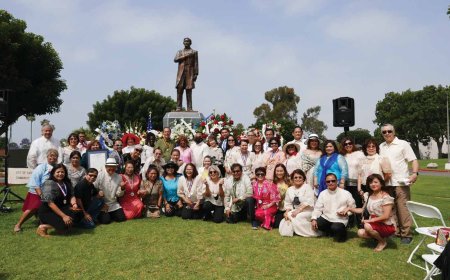
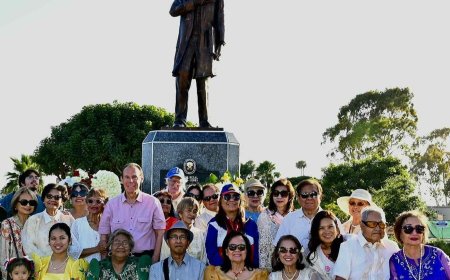
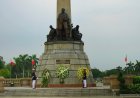
Beyond large formal organizations, many Filipino communities, particularly within the diaspora, have formed smaller, locally organized Rizal clubs or associations, often centered around a specific city's Rizal monument or a shared cultural center. These groups frequently coordinate Rizal Day wreath-laying ceremonies, educational programs for younger community members, and cultural events that blend historical commemoration with broader community bonding, similar in spirit to the kind of social, purpose-driven gatherings Rizal himself once organized among fellow Filipinos in Paris.
Why This Pattern of Organizing Still Matters
There's a certain continuity worth noting between Rizal's own instinct to organize clubs and societies during his lifetime and the many organizations that continue to form in his honor today. Rizal clearly understood that ideas and cultural identity are best sustained not by individuals working in isolation, but through organized, ongoing community, whether that meant a group of homesick Filipino students enjoying Paris together, an ambitious international scholarly congress, or a modern civic organization coordinating Rizal Day ceremonies across dozens of countries.
In this sense, the many Rizal clubs and associations found around the world today aren't simply honoring a historical figure from a distance. They're continuing a pattern of organized community-building that Rizal himself modeled throughout his own life, proof that his belief in the power of collective, purposeful association didn't end with his death, but has continued taking new forms for well over a century since.