Rizal in the Filipino Diaspora: How Communities Abroad Keep His Legacy Alive
For Filipino communities abroad, José Rizal's story resonates as more than history — his own experience of studying overseas while staying connected to home mirrors the modern diaspora experience. Communities worldwide build monuments, hold Rizal Day ceremonies, and teach his legacy to younger generations as a way of preserving identity and connection to the Philippines. Discover how Filipino communities abroad keep José Rizal's legacy alive — through monuments, Rizal Day celebrations, and heritage education that connect the diaspora to their shared history and identity, no matter how far from home they are.
 Moderator - Tomas Kauer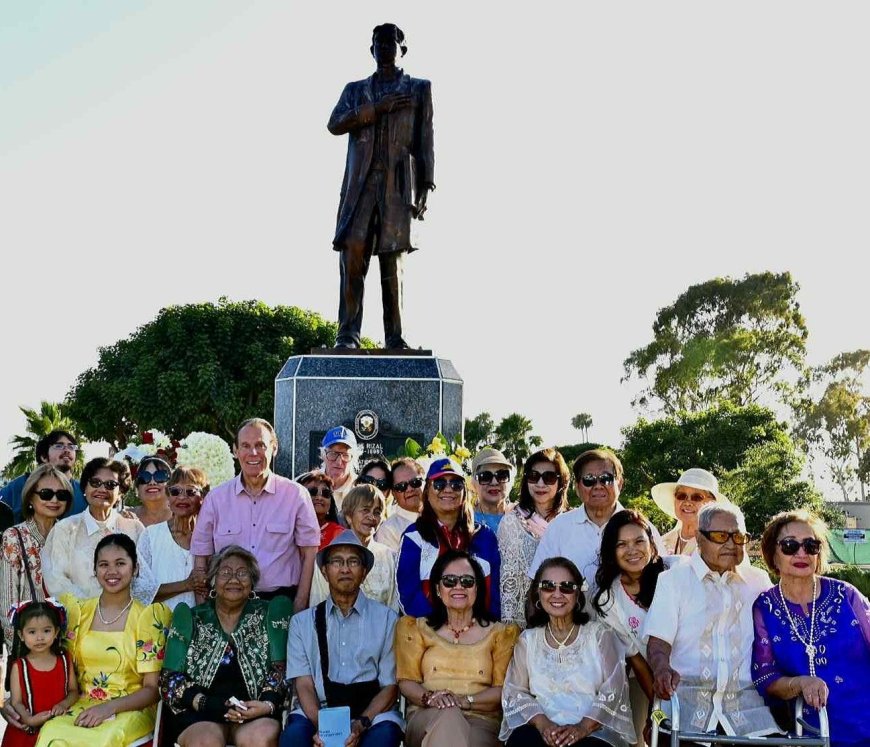
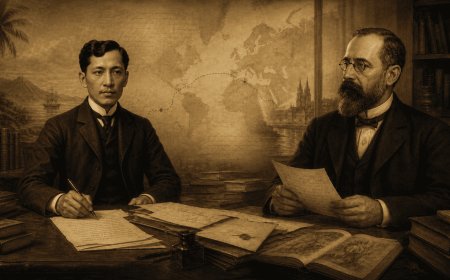
There's something fitting about the fact that José Rizal — a man who spent so much of his life traveling, studying, and building connections far from home — is now honored just as passionately outside the Philippines as within it. Today, millions of Filipinos live and work abroad, and in cities scattered across nearly every continent, communities continue to gather, organize, and build monuments in his name. For many overseas Filipinos, Rizal isn't just a historical figure taught in school; he's an ongoing thread of identity, a way of staying connected to home no matter how far they've traveled.
Why Rizal Resonates So Deeply With Overseas Filipinos
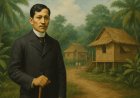
There's a certain irony, and also a certain poetry, in how naturally Rizal's story maps onto the experience of the modern Filipino diaspora. He left the Philippines to study abroad, adapted to unfamiliar countries and languages, faced homesickness and isolation, and used his time overseas to better understand and ultimately serve the country he left behind. That's a story many overseas Filipino workers, immigrants, and diaspora communities recognize instinctively — the balancing act between building a life elsewhere and staying rooted in where you came from.
This shared emotional throughline is part of why Rizal Day and Rizal's birthday continue to be widely observed by Filipino communities abroad, even generations removed from the Philippines itself.
Monuments as Community Landmarks
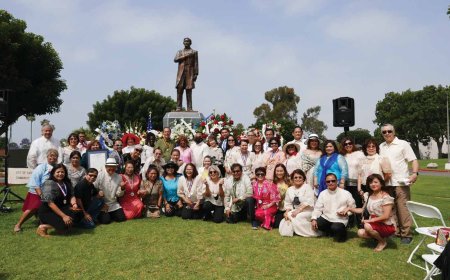
One of the clearest signs of the diaspora's devotion to Rizal is the sheer number of monuments Filipino communities have built or advocated for in their host countries. Cities like Chicago, Seattle, and Carson in the United States; Montreal in Canada; and various cities across Europe, Asia, and Australia all host Rizal statues, parks, or historical markers — many of them funded or championed directly by local Filipino community organizations rather than the Philippine government alone.
These monuments often serve a dual purpose: they honor Rizal's legacy, and they also function as community gathering points — places where Filipino communities hold Rizal Day ceremonies, cultural festivals, and educational events for younger, often diaspora-born generations who may have never set foot in the Philippines themselves.
Rizal Day, Celebrated Far From Home
Every December 30, Filipino communities abroad organize their own Rizal Day observances — wreath-laying ceremonies, flag ceremonies, cultural performances, and community dinners that mirror, in spirit, the commemorations held in Luneta. For many diaspora Filipinos, these events serve as more than just historical remembrance; they're also an opportunity to reconnect with community, culture, and identity in places that can otherwise feel disconnected from home.
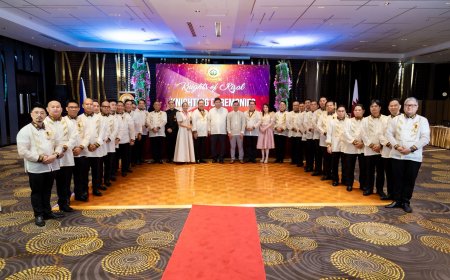
Filipino consulates, cultural attachés, and community organizations frequently coordinate these events together, turning Rizal Day into as much a community bonding occasion as a solemn historical commemoration.
Passing the Story to the Next Generation
For diaspora families, especially those with children born and raised outside the Philippines, Rizal's story often becomes an important educational bridge — a way to introduce younger generations to Philippine history, language, and values, even when day-to-day life happens almost entirely within a different national culture.
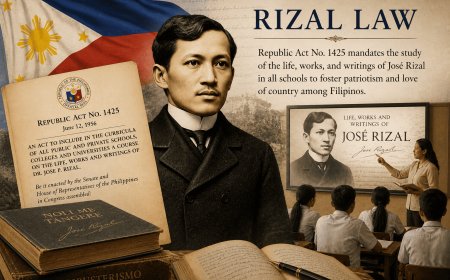
Weekend Filipino schools, cultural organizations, and community centers abroad frequently include lessons on Rizal's life and writings as part of broader heritage education programs, ensuring that even Filipino children who have never lived in the Philippines grow up understanding who he was and why he matters.
A Shared Symbol Across a Scattered Community
Perhaps what's most remarkable about Rizal's presence in the diaspora is how consistently his story functions as common ground. Filipino communities abroad are often incredibly diverse — spanning different regions, languages, generations, and even different waves of migration — yet Rizal remains one of the few figures nearly universally recognized and honored across all of these groups.
In that sense, Rizal has become something larger than a historical figure confined to Philippine textbooks. For the diaspora, he functions as a unifying symbol — a shared reference point that allows Filipinos scattered across dozens of countries to still feel connected to a common history and a common sense of identity.
Why This Matters
Rizal once believed deeply that education and awareness were essential to building a strong, dignified nation. It's a quiet but powerful continuation of that same belief that Filipino communities abroad have taken it upon themselves to keep his story alive — not because they're required to, but because his legacy continues to offer something meaningful: a reminder that no matter how far someone travels, or how long they've been away, their roots and their story are still worth carrying forward.