Rizal and the Catholic Church: Faith, Criticism, and Controversy
José Rizal's relationship with the Catholic Church was genuinely complex — raised devoutly Catholic and educated by Jesuits, he later criticized institutional abuse by friars while maintaining close friendships with individual clergy. His disputed final retraction remains a subject of historical debate, with reasonable historians disagreeing on its authenticity to this day. Explore José Rizal's complicated relationship with the Catholic Church — from his devout upbringing and Jesuit education to his sharp criticism of institutional abuse, and the still-debated controversy over his final retraction.
 Moderator - Tomas Kauer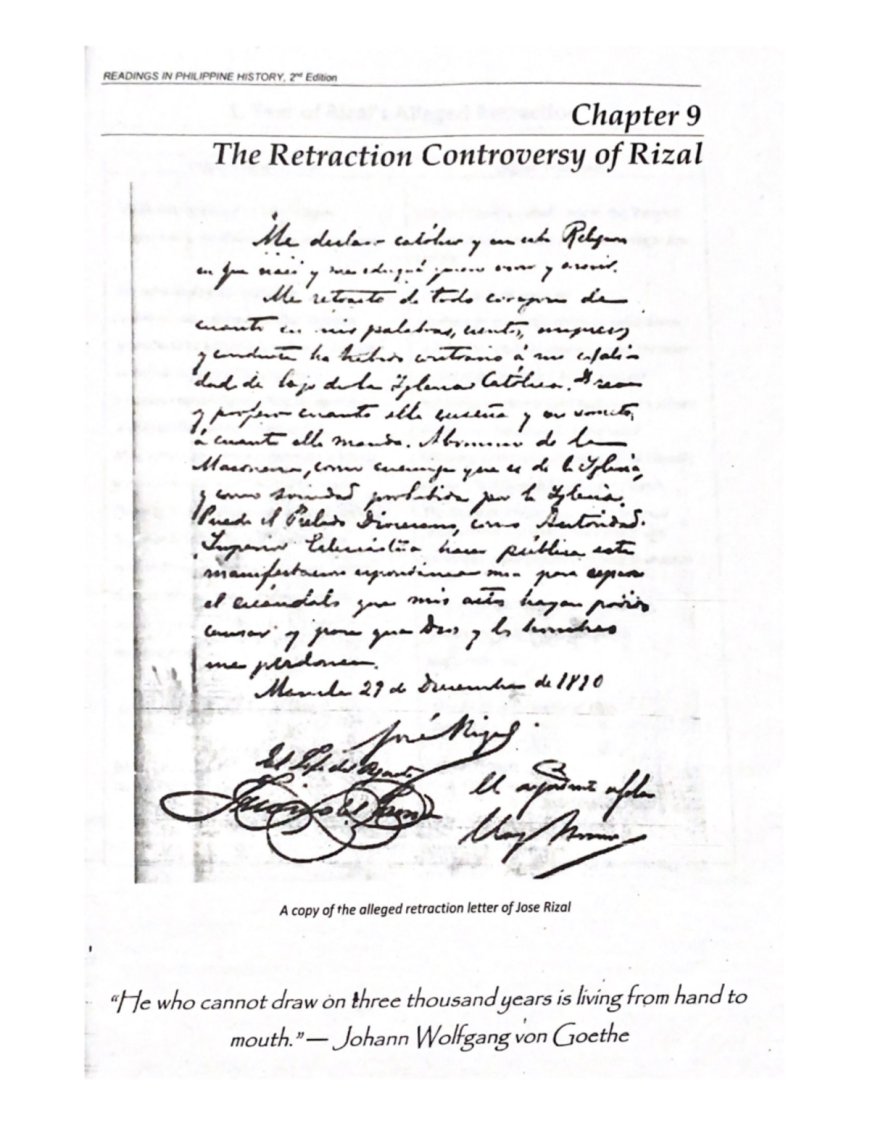
Few aspects of José Rizal's legacy generate as much ongoing debate as his relationship with the Catholic Church. Was he a devout believer who died reconciled with the faith of his childhood? A freethinker who rejected religious dogma entirely? Or something more complicated — a man who criticized institutional abuse while never fully abandoning the spiritual framework he was raised in? The honest answer is that historians still disagree, and the evidence itself is genuinely mixed.
A Catholic Upbringing and Jesuit Education
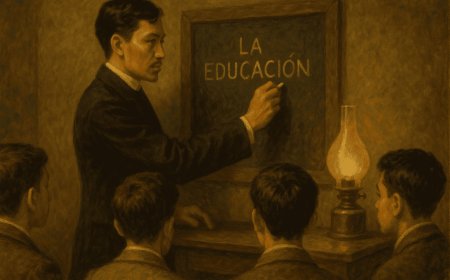
Rizal was raised in a devoutly Catholic household in Calamba, and his formal education was steeped in Catholic tradition from the beginning — first through his Jesuit teachers at the Ateneo Municipal de Manila, where religious instruction was woven into nearly every aspect of the curriculum. This upbringing gave Rizal deep familiarity with Catholic doctrine, scripture, and religious imagery, all of which show up repeatedly throughout his later writing, even in his most critical works.
Importantly, Rizal's later criticism of the Church wasn't the criticism of an outsider unfamiliar with the faith. It came from someone who understood Catholic theology and practice intimately, which is part of what made his critiques land with such precision.
Distinguishing Faith From Institutional Abuse
The central thread running through Rizal's relationship with Catholicism is a distinction he drew consistently: between genuine spiritual faith and the institutional abuse of power carried out by some members of the clergy, particularly the Spanish friars who held enormous political and economic influence in the colonial Philippines.
His novels, Noli Me Tángere and El Filibusterismo, are filled with corrupt, hypocritical friar characters who use religious authority to manipulate, exploit, and control ordinary Filipinos. Yet these portrayals exist alongside more sympathetic religious figures and reflections, suggesting Rizal's target wasn't Catholicism itself, but specifically the way religious power had been wielded as a tool of colonial control rather than genuine spiritual guidance.
This distinction was deeply personal for Rizal. His own family's legal battle with Dominican friars over their leased land in Calamba gave him direct, firsthand experience of how religious institutions could prioritize property and power over the wellbeing of the very communities they were meant to serve.
Excommunication and Growing Tension
As Rizal's writing grew more pointed in its criticism of the friars, tensions with the Church escalated considerably. He was excommunicated by the Archbishop of Manila, and his books were banned, reflecting how seriously colonial religious authorities viewed the threat posed by his ideas. This period placed Rizal in an increasingly precarious position — publicly associated with anti-clerical sentiment, even as his private relationships with individual clergy members, such as his former teacher Father Francisco de Paula Sánchez, remained warm and respectful.
This contrast is telling: Rizal's conflict was consistently framed around institutional practice and abuse of power, not personal hostility toward individual believers or clergy who acted with genuine integrity.
Theological Debates in Dapitan
During his exile in Dapitan, Rizal engaged in extended, well-documented theological debates with Father Pablo Pastells, a Jesuit priest who attempted to persuade him back toward more orthodox Catholic positions. Their exchange of letters reveals a Rizal who was neither dismissive of faith nor uncritically accepting of Church authority — he engaged seriously with theological questions, challenging certain doctrines and institutional practices while still demonstrating deep familiarity with, and respect for, the broader religious tradition he was raised in.
These debates suggest a mind still actively wrestling with questions of faith, rather than someone who had definitively rejected religion altogether.
The Retraction Controversy
Perhaps the most contested chapter in this entire discussion is what happened in Rizal's final hours. According to Church accounts, Rizal signed a formal retraction document shortly before his execution, renouncing Masonry and any anti-Catholic teachings, and was married to Josephine Bracken in a Catholic ceremony that same night.
This retraction remains a subject of genuine historical debate. Some historians accept it as authentic, viewing it as a sincere return to the faith of his upbringing in his final hours. Others question its authenticity entirely, pointing to inconsistencies in the historical record, the absence of the original document for a period of time, and questions about whether Rizal, under immense pressure in his final hours, would have genuinely reversed positions he had defended so consistently throughout his adult life. Still others suggest a middle position: that Rizal may have sought reconciliation with the Church's rituals and community without necessarily recanting his specific criticisms of institutional abuse.
This debate remains unresolved, and reasonable historians continue to disagree based on the same available evidence.
A Legacy That Resists Simple Labels
What emerges from Rizal's relationship with Catholicism isn't a tidy, one-directional story. He was neither a simple critic who rejected faith outright, nor an uncomplicated believer who never seriously challenged Church authority. Instead, his life reflects someone genuinely wrestling with the tension between personal faith and institutional power — a tension that remains relevant to many people navigating their own relationship with organized religion, regardless of time or place.
Why This Complexity Still Matters
Rizal's nuanced, sometimes contradictory relationship with the Catholic Church offers an important reminder: historical figures rarely fit into the simple categories we might prefer to place them in. His story resists easy characterization as either purely devout or purely secular, and that resistance is, in many ways, the most historically honest part of his legacy — a man who took faith seriously enough to criticize its abuses fiercely, while never fully severing himself from the tradition he was raised within.