Teodora Alonso: The Mother Who Was His First Teacher
Teodora Alonso, José Rizal's mother, was a well-educated woman who taught him to read by age three, well before any formal schooling. Beyond nurturing his early love of language and storytelling, she modeled resilience during the family's land dispute with the friars and her own unjust imprisonment — qualities that shaped Rizal's own approach to confronting injustice. Meet Teodora Alonso, José Rizal's mother and first teacher. Discover how her early lessons, resilience, and unwavering support shaped the mind and character of the Philippines' national hero.
 Moderator - Tomas Kauer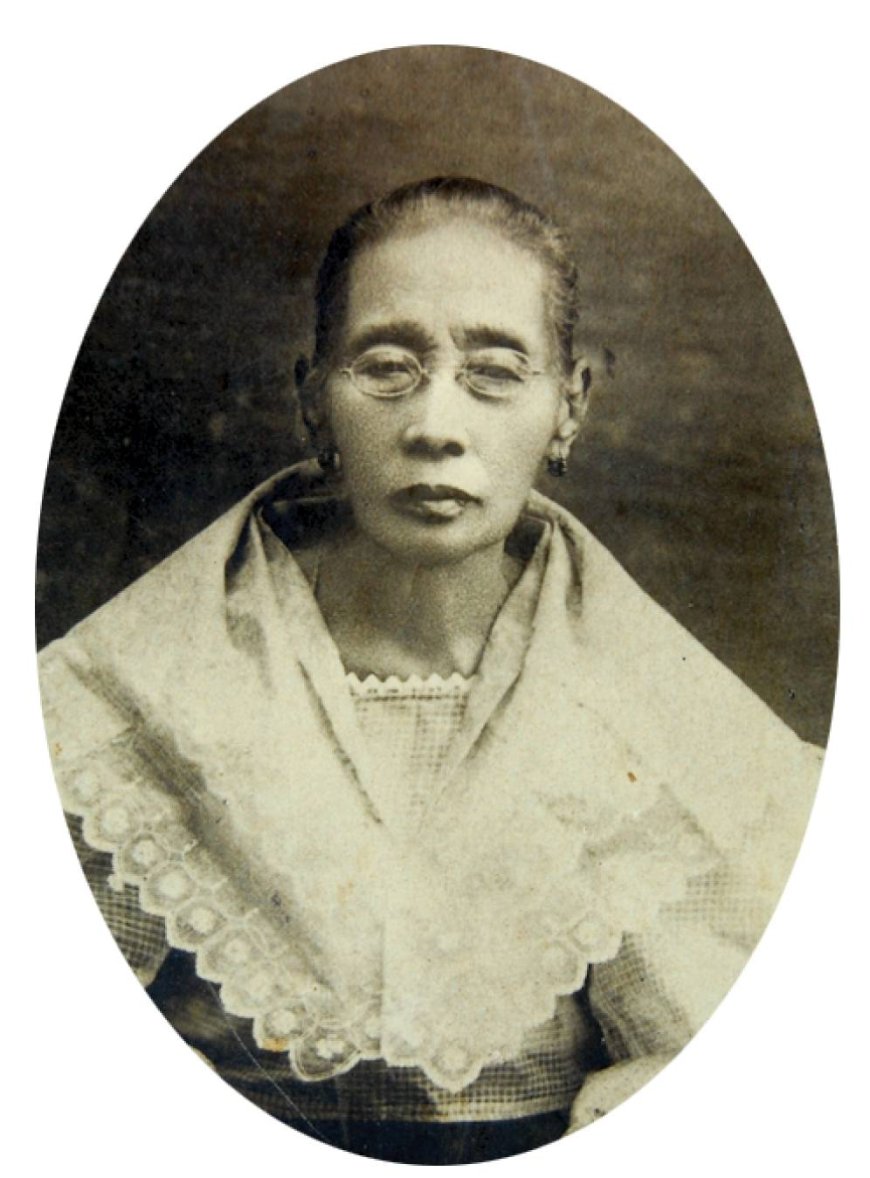
Before Ateneo. Before Madrid. Before any of the schools, mentors, or professors who would later shape José Rizal's brilliant mind, there was one teacher who came first — his mother, Teodora Alonso Realonda. In a household where education was treated as essential rather than optional, it was Teodora who laid the very first stone, teaching her son to read and write years before he ever set foot in a formal classroom.
Who Was Teodora Alonso?
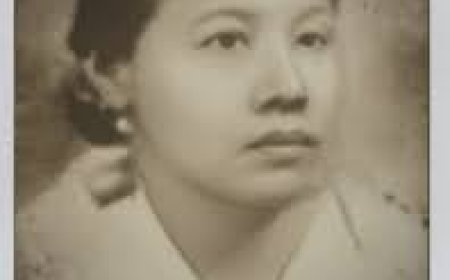
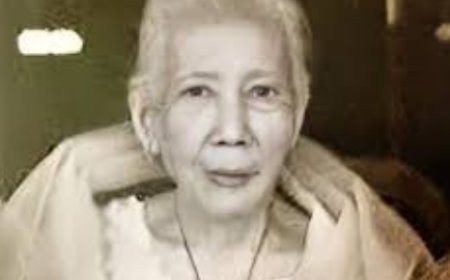
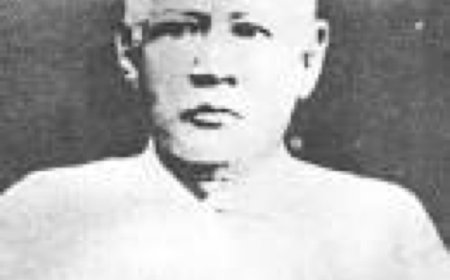
Teodora Alonso Realonda was born in Manila in 1826, into a family with connections to both Filipino and Spanish heritage. Unlike many women of her era, she received a relatively strong education, which was uncommon for women in 19th-century Philippine society. She was known to be intelligent, well-read, and deeply devoted to both her Catholic faith and her family's wellbeing.
She married Francisco Mercado Rizal, and together they raised eleven children in Calamba, Laguna — with José, born in 1861, as their seventh child. Running a household of that size required tremendous organizational skill and patience, qualities Teodora was widely known for among those who knew the family.
The First Teacher
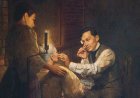
Long before José Rizal entered any formal school, his education began at home, under his mother's direct guidance. By most historical accounts, Teodora had taught him to read by the time he was around three years old — an extraordinarily early start that reflected both her own literacy and her deep belief in the value of learning.
She didn't simply teach him letters and words. She read him stories, fables, and poetry, nurturing not just literacy but an early appreciation for language and storytelling. Some historians point to these early reading sessions with his mother as the true origin of Rizal's lifelong love of writing — long before he ever crafted a sentence of his own, he was absorbing the rhythm and emotional weight of stories read aloud by the person he trusted most.
A Woman of Strength, Not Just Softness
Teodora's role in Rizal's life wasn't limited to gentle bedtime stories. She was also a source of moral and emotional strength, particularly during the family's legal troubles with the Dominican friars over their leased farmland in Calamba — a dispute that placed real financial and social pressure on the family.
Her resilience during this period left a lasting impression on her children, modeling a kind of quiet, persistent dignity in the face of injustice — the same quality that would later define much of Rizal's own approach to confronting colonial abuse through writing rather than despair or silence.
Later in life, Teodora herself became a victim of a separate injustice: she was briefly and unjustly imprisoned on questionable charges, an experience that further deepened the family's firsthand understanding of how colonial power could be wielded arbitrarily against ordinary citizens — including a mother of eleven with no real connection to the accusations brought against her.
A Bond That Lasted Through Exile and Loss
Teodora remained a central figure throughout Rizal's life, corresponding with him during his years of study and travel abroad and remaining a source of guidance even as he grew into adulthood and public life. Their relationship endured through his years in exile in Dapitan and through the mounting political dangers that eventually led to his arrest and execution.
Losing her son in 1896 was, understandably, one of the deepest tragedies of her life — yet Teodora lived on for many more years afterward, witnessing firsthand how her son's name and legacy grew into something far larger than the quiet, book-loving boy she had once taught to read in their home in Calamba.
Why Her Role Still Matters
It's tempting, when discussing national heroes, to focus almost entirely on the dramatic, public chapters of their lives — the novels, the exile, the execution. But Rizal's story doesn't actually begin there. It begins with a mother patient enough to teach a curious toddler his letters, wise enough to nurture that curiosity rather than dismiss it, and strong enough to model resilience in the face of real injustice.
Teodora Alonso wasn't simply "Rizal's mother" in a passive, background sense. She was, quite literally, his first teacher — and in many ways, the origin point of the very qualities that would eventually make him the Philippines' national hero.