Narcisa Rizal: The Sister Who Stood By Him
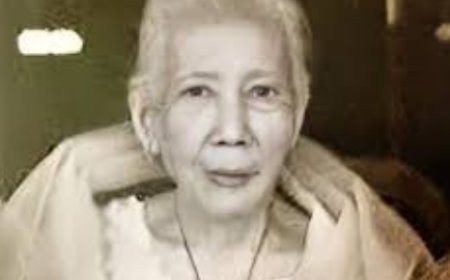
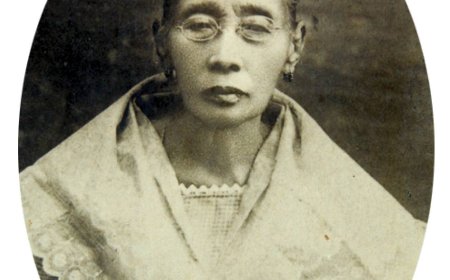
Narcisa Rizal, José Rizal's older sister, was a steady source of support throughout his life, remaining close during his imprisonment and final days. After his execution, she played a key role in locating his secretly buried remains at Paco Cemetery, helping preserve his memory and legacy for future generations. Meet Narcisa Rizal, the sister whose quiet loyalty and determination helped support José Rizal through his final days and preserve his memory after his execution, including her role in recovering his remains.
 Moderator - Tomas Kauer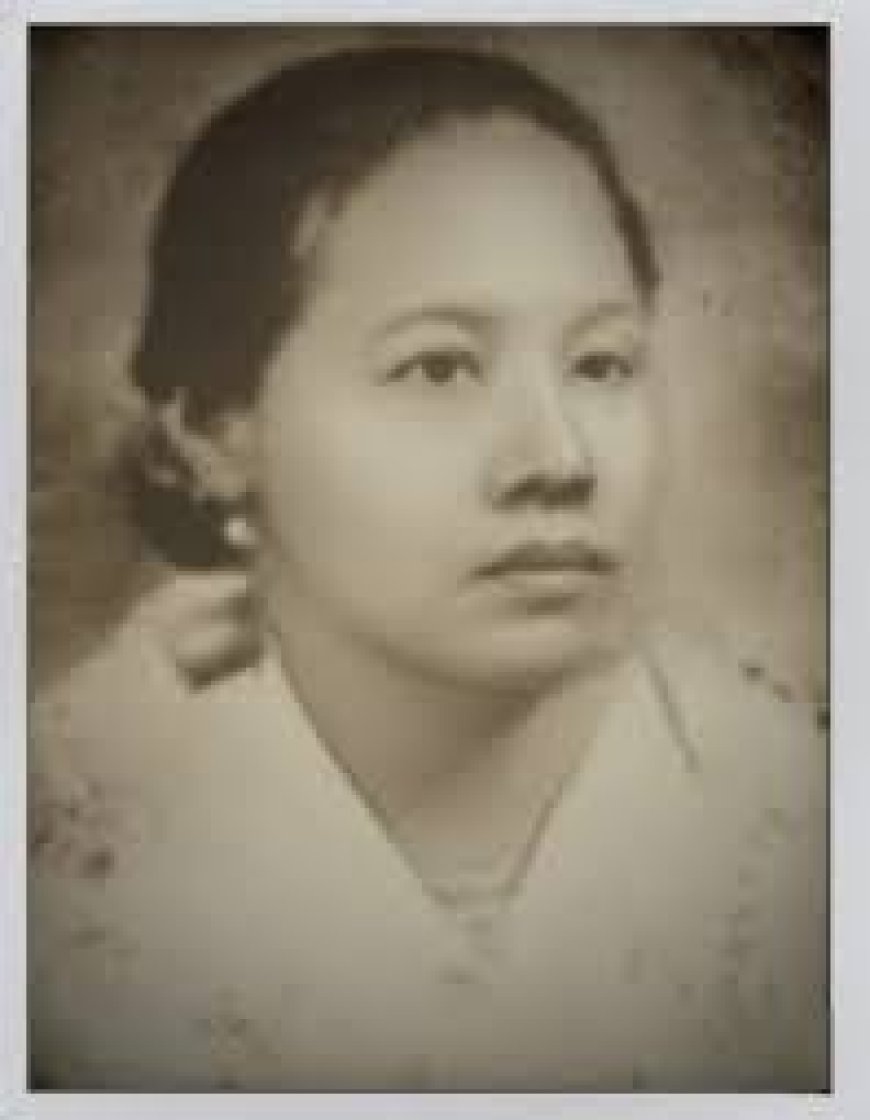
Some family members shape history through bold, public action. Others shape it through quiet, consistent devotion — showing up, staying close, and doing the difficult, unglamorous work of holding a family together during its hardest moments. Narcisa Rizal belongs firmly to this second category. While history remembers her brother José as the national hero, it was Narcisa's steady loyalty, both during his life and in the difficult years after his death, that helped preserve his memory for generations to come.
Who Was Narcisa Rizal?
Narcisa Rizal, born in 1852, was the third of the eleven Rizal children, making her nine years older than her famous younger brother, José. Growing up in the large, tightly knit household in Calamba, she was part of a family culture that placed enormous value on loyalty, education, and mutual support — values she carried with her throughout her life, particularly in her relationship with José.
Like several of her sisters, Narcisa remained closely connected to José throughout his years of study abroad, his political activities, and eventually his imprisonment and execution — offering the kind of consistent emotional support that doesn't always make it into history books, but that clearly mattered enormously to Rizal himself.
A Steady Presence Through Difficult Years
As Rizal's political activities drew increasing scrutiny from Spanish colonial authorities, the entire Rizal family found itself under mounting pressure — a burden that fell not only on Rizal directly, but on his parents and siblings as well. Narcisa, like her sisters, remained a consistent source of support during this turbulent period, helping maintain family cohesion even as circumstances grew increasingly difficult.
This kind of steady presence became especially significant during Rizal's imprisonment at Fort Santiago in his final days. Family visits during this period were limited and emotionally fraught, and Narcisa was among the family members who remained close to him during this painful final chapter, offering what comfort and connection they could in the short time they had left.
Preserving Rizal's Memory After His Death
Narcisa's most historically significant contributions came after her brother's execution in 1896. In the aftermath of his death, Narcisa played an active role in efforts to locate and recover Rizal's remains, which had been hastily and secretly buried by Spanish authorities in an unmarked grave at the Paco Cemetery, seemingly intended to prevent his gravesite from becoming a rallying point for Filipino sentiment.
Family accounts describe Narcisa's persistence in searching for and eventually helping identify her brother's burial site — a task complicated by the deliberate secrecy surrounding his burial. This effort to recover and properly honor his remains reflects the same quiet determination that defined much of her relationship with him throughout his life: less public and dramatic than his own actions, but no less essential to preserving his legacy.
A Family Legacy Built on More Than One Person
Narcisa's story is a useful reminder that Rizal's legacy wasn't shaped by him alone. Behind the public writer, doctor, and reformist was a family — parents who nurtured his education, a brother who shaped his political consciousness, and sisters like Narcisa who provided steady emotional support and, ultimately, helped ensure his memory and physical remains were properly honored after his death.
Why Her Role Still Matters
It would be easy to overlook Narcisa Rizal in the broader sweep of Philippine history — she didn't write novels, organize political movements, or take up arms in revolution. But her contribution represents something equally essential: the quiet, sustained loyalty that allows a legacy to survive in the first place. Without family members like Narcisa, willing to stay close during dangerous times and fight to preserve her brother's memory after his death, much of what we know and honor about José Rizal today might have been lost to the same colonial authorities who tried to erase even the location of his grave.
In many ways, Narcisa represents an important truth found throughout Rizal's story: that heroism isn't always loud, and that some of the most important work in preserving history happens quietly, within a family, long after the more public chapters of a story have ended.