Germany: The José Rizal Monument in Wilhelmsfeld
The José Rizal monument in Wilhelmsfeld, Germany, is a full-body statue by Filipino sculptor Anastacio Caedo, standing in a dedicated Rizal Park that opened in 1978. It honors Rizal's time studying ophthalmology near Heidelberg in 1886, a period that shaped both his scientific training and his friendship with Ferdinand Blumentritt. Discover the José Rizal monument and park in Wilhelmsfeld, Germany — a full-body statue honoring the time Rizal spent studying near Heidelberg, deepening his medical training and the ideas that would shape his novels and reform movement.
 Moderator - Tomas Kauer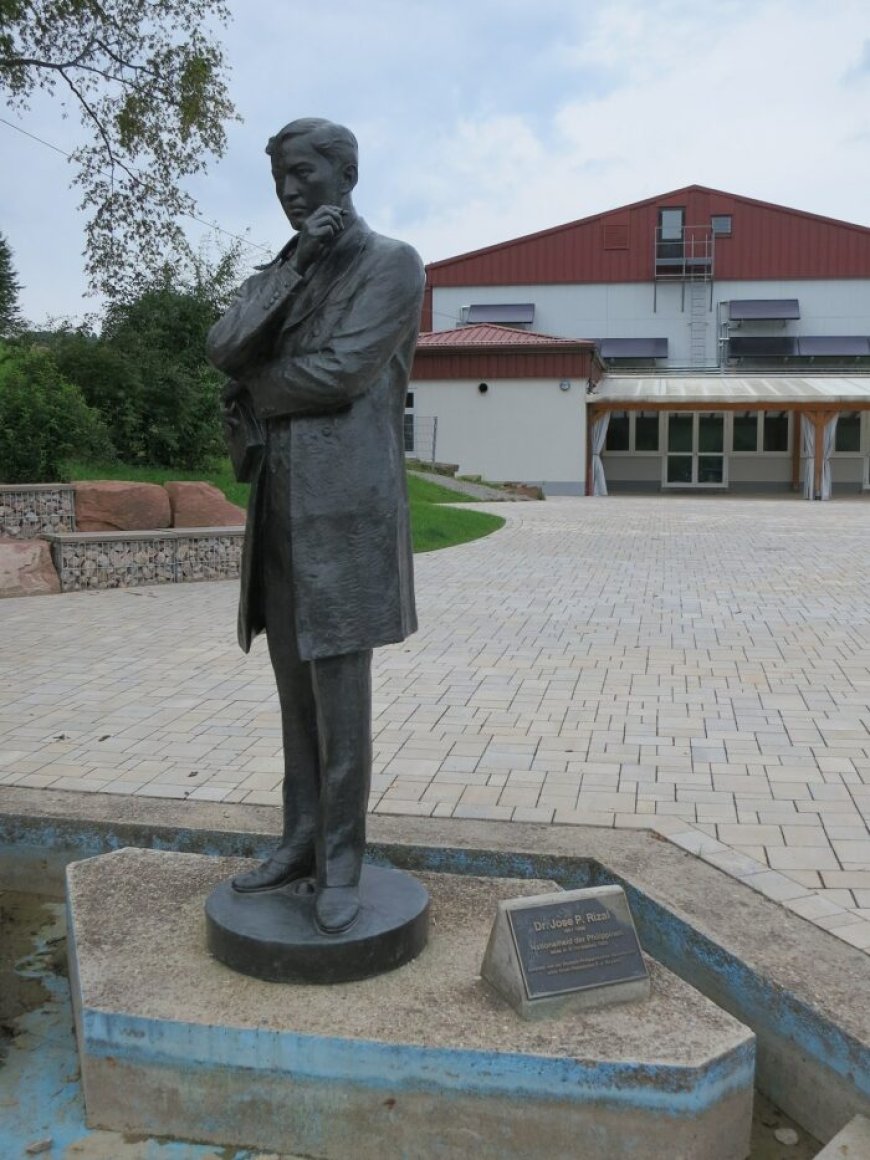
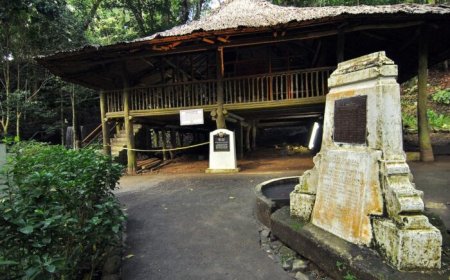
Tucked into the quiet, forested hills near Heidelberg is a small German town that holds an unexpected but deeply meaningful connection to the Philippines: Wilhelmsfeld, home to a full-body statue of José Rizal and an entire park dedicated to his memory. It's a fitting tribute, considering how formative Rizal's time in Germany actually was — not just for his medical training, but for the ideas and friendships that would go on to shape the rest of his life.
The Monument and the Park
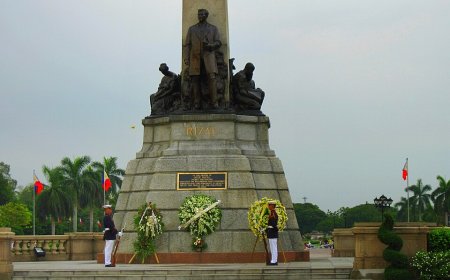
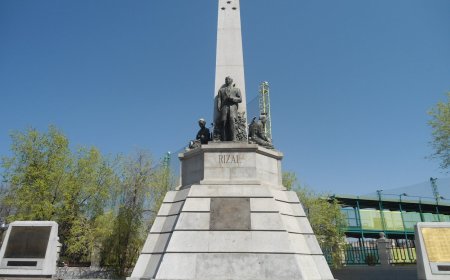
The José Rizal monument in Wilhelmsfeld is a full-body statue, sculpted by Filipino artist Anastacio Caedo, standing within Rizal Park, which officially opened in 1978. Unlike some tributes that consist only of a bust or plaque, this monument depicts Rizal in full form — a deliberate choice that reflects the town's pride in its connection to him, treating him not as a distant historical footnote, but as someone worth honoring with the same presence given to monuments back in the Philippines.
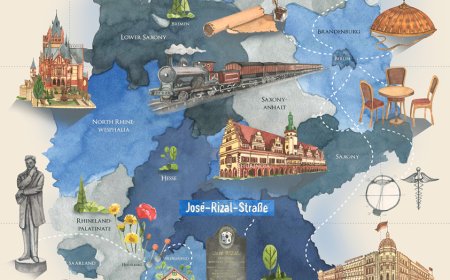
The park itself serves as a peaceful public space, and the town has gone further than most international tributes by also naming a street after him, cementing Rizal's place in the town's civic identity rather than confining his memory to a single statue.
Why Wilhelmsfeld Matters in Rizal's Story
Rizal's connection to this part of Germany comes from his time studying in nearby Heidelberg, where he trained under the renowned ophthalmologist Dr. Otto Becker in 1886. It was during this period that Rizal deepened his scientific training and became further immersed in German intellectual culture — an environment he found rigorous, disciplined, and quietly inspiring.
This was also the period when his correspondence with Ferdinand Blumentritt, the Austrian scholar who would become one of his closest friends, grew significantly. Some accounts suggest Rizal spent time in the Wilhelmsfeld area itself during this German chapter of his life, reflecting and writing in the same kind of quiet, small-town setting the park now occupies.
It was also in Germany, shortly after this period, that Rizal completed preparations for the publication of Noli Me Tángere, which would be printed in Berlin in 1887 — meaning the ideas that eventually shook colonial Philippine society were, in many ways, refined and finalized on German soil.
A Small Town's Big Tribute
What makes the Wilhelmsfeld monument especially notable is its scale relative to the size of the town itself. Unlike major capitals with sprawling public installations, Wilhelmsfeld is a small community — yet it chose to dedicate an entire park to a foreign historical figure, a testament to how seriously the town has embraced this piece of shared history between Germany and the Philippines.
For Filipino travelers and heritage enthusiasts, the Rizal Park in Wilhelmsfeld offers something quieter and more intimate than the grand monuments found in bigger cities — a reflective, small-town tribute to the months Rizal spent shaping both his medical expertise and his revolutionary ideas in the German countryside.
Note: Some historical details regarding the exact extent of Rizal's time in Wilhelmsfeld itself, as opposed to nearby Heidelberg, vary across sources. For visit planning, we recommend confirming current details with local tourism offices or the Philippine Embassy in Germany.