The Life and Travels of José Rizal: A Journey Across the Philippines, Europe, and Asia
José Rizal's travels took him far beyond the Philippines — from his early schooling in Biñan and Manila, to Spain where he completed his medical studies, then on to Paris, Heidelberg, London, the United States, Japan, and Hong Kong. Each stop shaped his thinking, from scientific rigor in Germany to historical research in London and firsthand observation of both progress and inequality abroad. His journeys ended in Dapitan, where he spent four years in exile, before a final forced trip back to Manila led to his execution in 1896. Follow José Rizal's journey across the Philippines, Europe, the Americas, and Asia — from his student years in Spain and Germany to his historical research in London, his impressions of America and Japan, and his eventual exile in Dapitan. This article traces how each place he visited shaped his ideas and reinforced his belief in Filipino capability on the world stage.
 Moderator - Tomas Kauer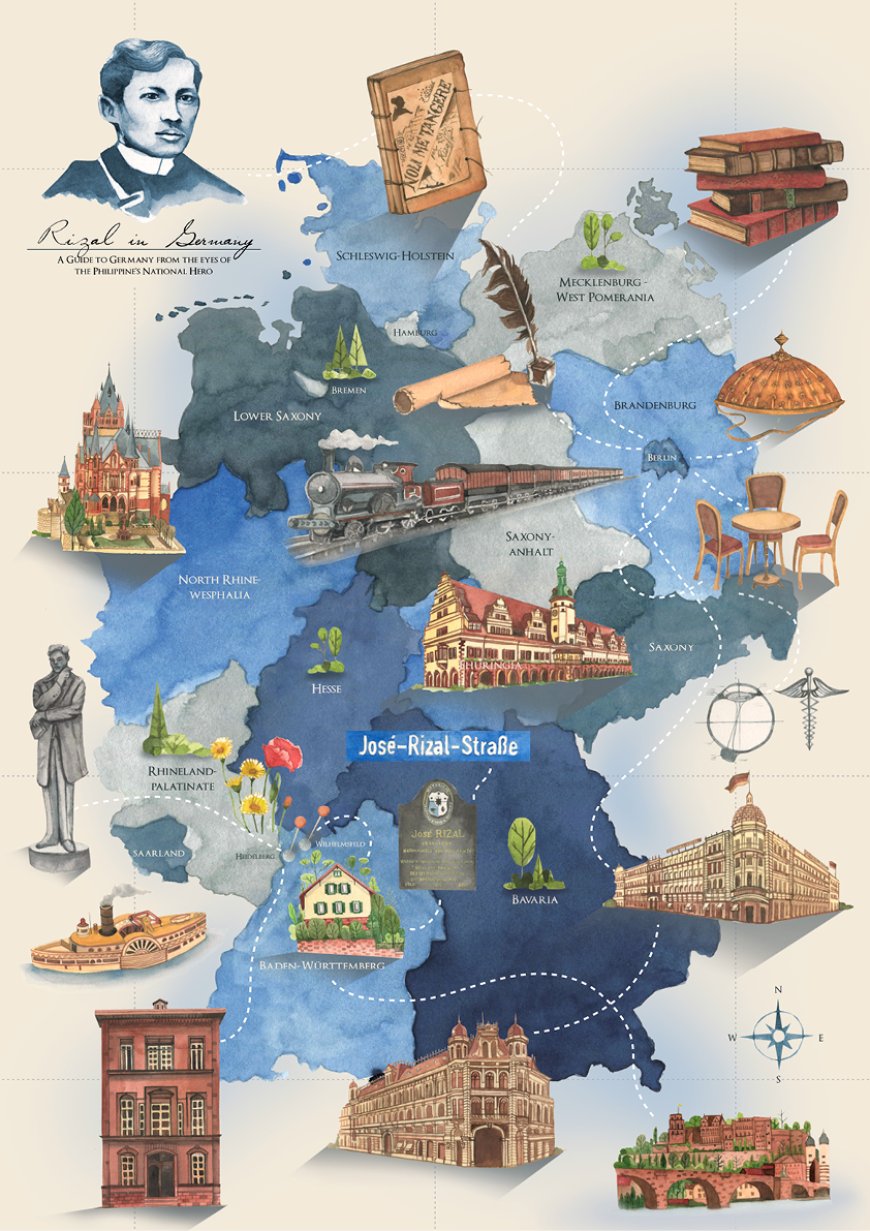
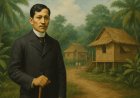
Long before international travel was common, and long before Filipinos were expected to see the world beyond their own islands, José Rizal crossed oceans, studied in foreign universities, and walked the streets of cities most of his countrymen had never heard of. His travels weren't tourism — they were part of a mission. Every country he visited became another data point in his lifelong argument: that Filipinos were capable of standing shoulder to shoulder with any nation on earth. This article traces his journey, from the small towns of the Philippines to the capitals of Europe and beyond.
Beginnings: The Philippines
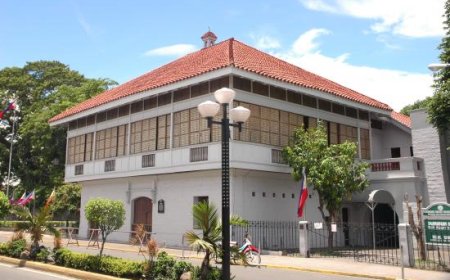
Rizal's earliest travels were modest by comparison to what came later, but they shaped him just as much. Born in Calamba, Laguna, he was sent at a young age to study in Biñan under a private tutor, his first real experience of being away from home. Later, his move to Manila to attend the Ateneo Municipal marked his first real transition into city life, exposing him to a wider world of ideas, classmates from different backgrounds, and formal academic rigor.
These early domestic journeys, though small in distance, planted something important: a sense of curiosity and independence that would define the rest of his life. He also traveled within the Philippines as an adult, notably to Dapitan in Mindanao — though that particular journey wasn't a choice. It was exile.
The Voyage to Spain (1882)
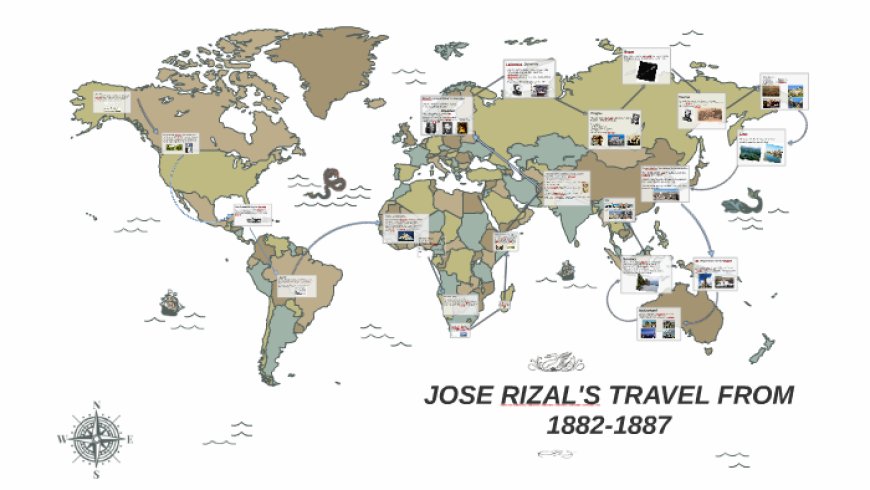
In 1882, at the age of twenty-one, Rizal made the decision that would change the course of his life: he sailed for Spain, in secret, without the full knowledge of his family or the colonial authorities. The journey itself was long and arduous, taking him through the Suez Canal, a route that exposed him for the first time to the Middle East, the Mediterranean, and the sheer diversity of the world outside the Philippines.
Arriving in Barcelona and later settling in Madrid, Rizal encountered a Spain that was both familiar and foreign — a place where he could continue his education, but also a place where he directly experienced the political and social currents that would later fuel his writing. It was in Madrid that he completed his medical studies and became further immersed in the reformist circles of Filipino students abroad.
Paris and the Pursuit of Knowledge
Rizal's travels weren't confined to formal schooling. In Paris, he spent time studying ophthalmology under further specialists, but he also absorbed the cultural and intellectual energy of the city — its art, its politics, its sense of possibility. Paris exposed him to a level of scientific and artistic achievement that reinforced his belief that Filipinos, given the same access and opportunity, could achieve just as much.
Heidelberg and the German Chapter
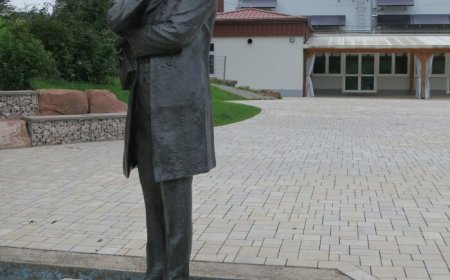
Perhaps one of the most academically significant legs of his journey was his time in Heidelberg, Germany, where he trained under the renowned ophthalmologist Dr. Otto Becker. Germany left a deep impression on Rizal — its discipline, its scientific culture, and its scholarly seriousness. It was during this period, surrounded by German intellectual life, that he wrote to his close friend Ferdinand Blumentritt with growing frequency, and it was in Germany that he began preparing Noli Me Tángere for publication, eventually printing it in Berlin in 1887.
London and the Search for Historical Truth
Rizal's travels also took him to London, where he spent time at the British Museum conducting research for what would become one of his most important scholarly projects: his annotated edition of Antonio de Morga's Sucesos de las Islas Filipinas. This wasn't a leisurely visit — it was painstaking archival work, poring over centuries-old documents to piece together an accurate, non-colonial account of Philippine history before Spanish rule.
Crossing the Pacific: The United States and Beyond
In 1888, Rizal undertook a journey that took him across the Pacific to the United States, traveling from San Francisco to New York by rail. His impressions of America were mixed — he admired its industry and progress, but he was also a sharp enough observer to notice its racial inequalities and social contradictions. From New York, he continued on to England, and later back through continental Europe, always writing, always observing, always comparing what he saw to the conditions back home.
A Brief Stop in Asia
Beyond Europe and the Americas, Rizal's travels also brought him into contact with parts of Asia, including stops in Hong Kong and Japan. In Japan in particular, he was struck by the discipline, aesthetic sensibility, and modernization he witnessed — a non-European nation successfully asserting itself on the world stage, which stood in stark contrast to the colonial narrative that only European nations were capable of "civilization" and progress. His time in Hong Kong later became more than just a stopover; it was also where he considered, and briefly pursued, the idea of settling and building a new life outside of Spanish jurisdiction.
Return and Exile: Dapitan
After years of travel, study, and writing abroad, Rizal returned to the Philippines in 1892, founding La Liga Filipina almost immediately. But his homecoming was short-lived in terms of freedom — he was quickly arrested and exiled to Dapitan, in Mindanao, where he would spend four years.
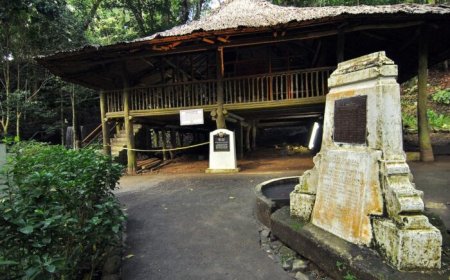
Ironically, exile became one of the most productive chapters of his life. In Dapitan, Rizal built a school, developed a water supply system for the town, practiced medicine, continued his scientific studies, and cultivated a small but meaningful community life, even amid restricted movement. His travels may have been curtailed, but his intellectual and practical energy never slowed down.
The Final Journey
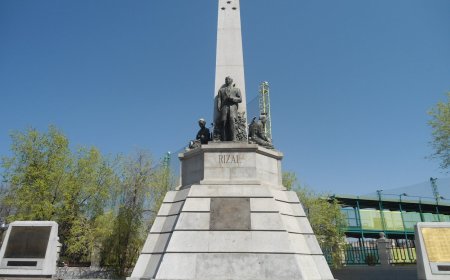
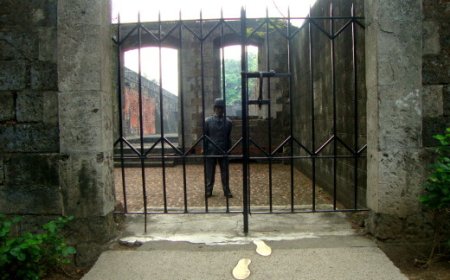
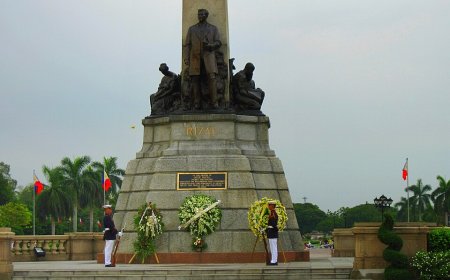
Rizal's very last journey was tragically brief and involuntary: his return to Manila in 1896 to face trial, followed by his execution in Bagumbayan on December 30 of that year. It was a stark and painful contrast to the decades of purposeful, curiosity-driven travel that came before — a final, forced journey that ended not in discovery, but in martyrdom.
Why His Travels Mattered
Rizal's journeys weren't simply about visiting places. Each one served a purpose: Spain gave him formal education and a platform, Germany gave him scientific rigor, France and England gave him cultural and historical depth, the Americas gave him a broader lens on the world's inequalities, and Asia gave him proof that non-European nations could rise and modernize on their own terms. Every country he passed through became evidence in his lifelong case: that Filipinos, given the same access to knowledge and opportunity, were capable of anything.
In many ways, Rizal's travels were themselves a form of activism — a quiet, persistent demonstration that a Filipino could move through the world's great cities and institutions not as a visitor looking in from the outside, but as an equal, fully capable of learning, contributing, and even leading.