How Filipino-American Communities Celebrate Rizal Day
Filipino-American communities have observed Rizal Day since the early Manong generation of immigrants, and the tradition continues today through wreath-laying ceremonies, cultural festivals, and civic partnerships in cities like Carson, Chicago, and Seattle. These commemorations serve as a bridge between generations, connecting older immigrants and American-born youth to shared Filipino identity and history. Explore how Filipino-American communities across the United States commemorate Rizal Day, from the early Manong generation to modern celebrations blending civic pride, cultural performance, and generational connection to Philippine heritage.
 Moderator - Tomas Kauer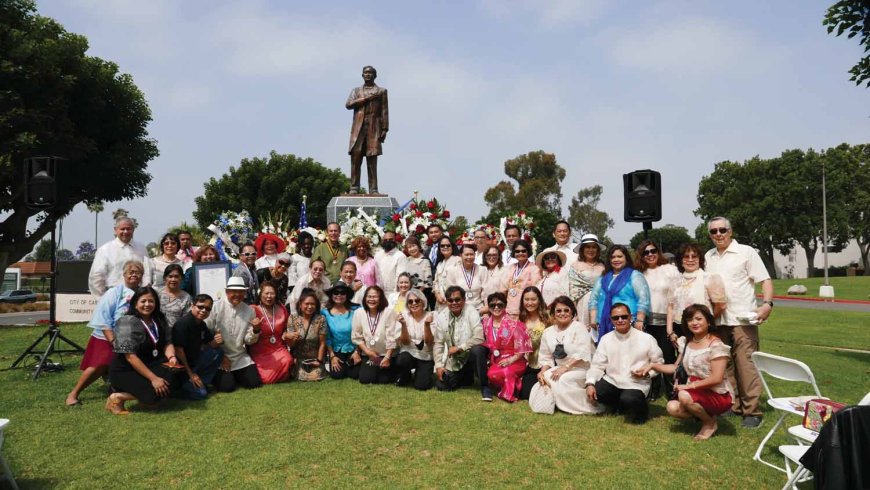
Every December 30, thousands of miles from Bagumbayan, Filipino-American communities across the United States pause to do something remarkable: they commemorate the execution of a man most of them have never met, in a country most of their ancestors never lived in, and yet somehow, the observance feels as personal and necessary as it does back home. Rizal Day in America isn't just an imported tradition — it's become a genuine cornerstone of Filipino-American identity, passed down through generations far from the country where it all began.
A Tradition That Goes Back to the Manong Generation
Rizal Day observances among Filipino-Americans aren't a recent development. The tradition traces back to the early Manong generation — the first wave of Filipino immigrants who arrived in the United States in the early 20th century, often working in agriculture, canneries, and other labor-intensive industries. In towns and cities where Filipino communities took root, gathering every December 30 to honor Rizal's memory became a common and deeply meaningful practice, even among small, tightly knit immigrant communities focused primarily on survival and work.
For many of these early Filipino-Americans, Rizal Day wasn't simply about history — it was about carrying forward a shared cultural identity in an unfamiliar country, using his memory as a way to stay connected to home.
Modern Rizal Day Celebrations Across the U.S.
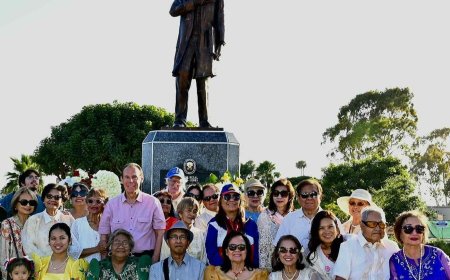
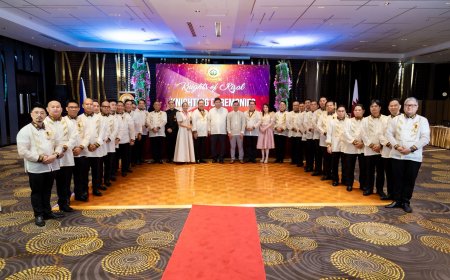
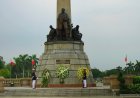
Today, Rizal Day commemorations take place in Filipino-American communities from coast to coast, often organized through partnerships between local civic organizations, cultural groups, and city governments. In Carson, California, for example, the Filipino-American community gathers at the city's International Sculpture Garden — home to a prominent Rizal monument — bringing together city officials, students, and community advocates for a celebration that blends civic pride with cultural heritage. Similar community-organized events take place in cities with significant Filipino populations, including Chicago, Seattle, and various communities throughout California.
These celebrations often combine solemn elements — such as wreath-laying ceremonies at local Rizal monuments — with more festive cultural programming, including traditional performances, food, and speeches connecting Rizal's legacy to present-day Filipino-American life.
Beyond December 30: Honoring Rizal Year-Round
While Rizal Day itself falls on December 30, Filipino-American communities also commemorate Rizal's life on June 19, his birthday, often through wreath-laying ceremonies and cultural gatherings organized in partnership with Philippine consulates. In New York, for instance, official commemorations at the Philippine Center have included remarks from consular officials emphasizing Rizal's continued relevance to Filipinos living abroad — not as a flawless, distant historical figure, but as someone whose values remain directly applicable to the diaspora experience today.
More Than Remembrance: A Bridge Between Generations
What makes Rizal Day particularly significant in the Filipino-American context is its role in connecting generations. For older community members, especially those who immigrated directly from the Philippines, Rizal Day offers a familiar, comforting continuation of a tradition from home. For younger, American-born generations, it often serves as an entry point into learning about Filipino history, values, and identity — knowledge that might otherwise be harder to access growing up primarily within American culture and schooling.
Community leaders frequently use these occasions to encourage younger Filipino-Americans to stay engaged with their heritage, framing Rizal Day not simply as a historical commemoration, but as an ongoing responsibility to carry Filipino culture and history forward for future generations.
A Living Legacy, Not Just a Historical Date
Rizal Day in Filipino-American communities reflects something Rizal himself might have appreciated: the idea that a shared history and set of values can travel, adapt, and remain meaningful even far from their original context. Whether through a formal wreath-laying ceremony, a community festival, or a quiet family conversation about who Rizal was and why he matters, these commemorations ensure that his legacy continues to shape Filipino-American identity — not as a distant history lesson, but as a living, actively maintained connection to home.