The Works and Writings of José Rizal: Novels, Essays, Poems, Letters, Speeches, and More
José Rizal expressed his ideas across nearly every form of writing available to him. His novels Noli Me Tángere and El Filibusterismo exposed colonial abuses in the Philippines, while his essays challenged Spanish stereotypes and predicted the country's political future. His poetry, especially Mi Último Adiós, revealed his deepest emotions, and his letters to family, friends, and fellow reformists showed the man behind the hero. He also worked as a historian, annotating an old Spanish text to correct colonial bias, and as a translator fluent in over twenty languages. Explore the full range of José Rizal's literary legacy — from his groundbreaking novels and sharp political essays to his heartfelt poems, personal letters, public speeches, historical annotations, and translations. This article breaks down every major form of writing Rizal used to awaken Filipino national consciousness and challenge colonial rule.
 Moderator - Tomas Kauer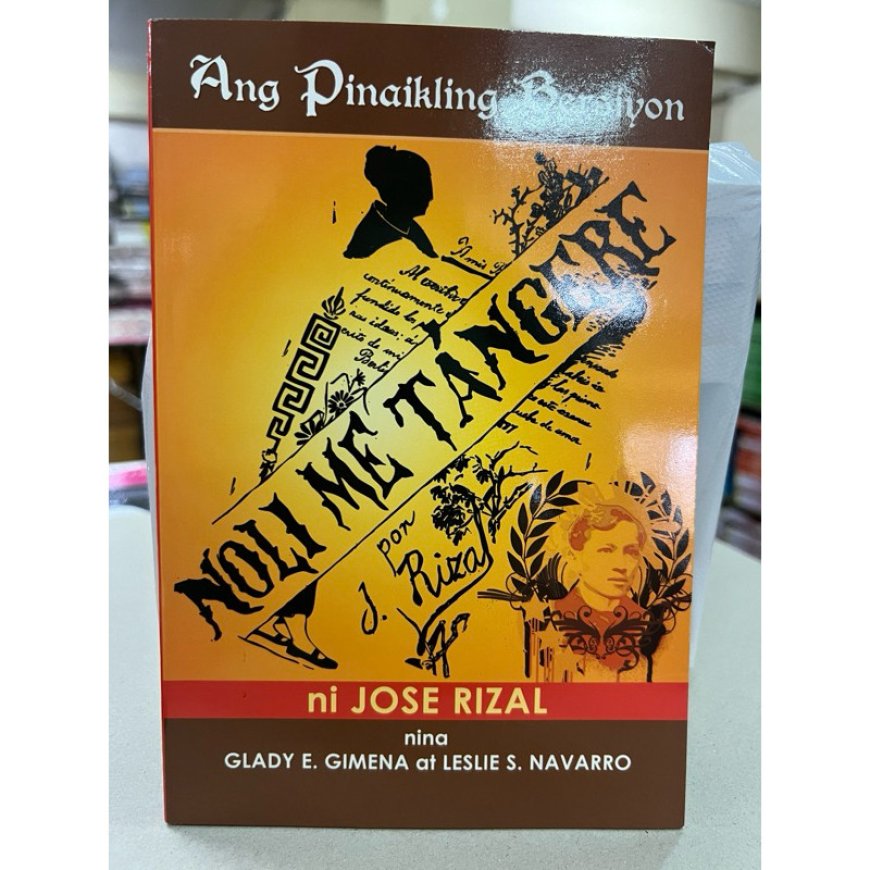
José Rizal is remembered as a hero, but at his core, he was a writer. Nearly everything he accomplished — the awareness he stirred, the reforms he pushed for, the identity he helped shape for an entire nation — flowed through his pen. He didn't carry a rifle into battle. He carried words, and he used them with more precision than most soldiers ever used a blade. This article walks through the full range of what he left behind: his novels, essays, poetry, correspondence, speeches, and even his lesser-known work as an annotator and translator.
The Two Novels That Changed a Nation
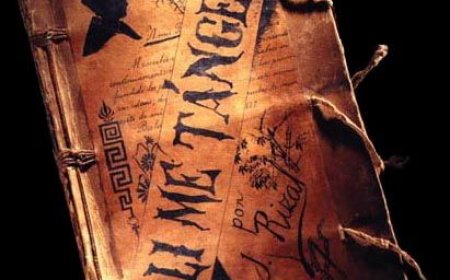
Noli Me Tángere (1887) Written in Spanish and published in Berlin, Noli Me Tángere ("Touch Me Not") is Rizal's most famous work. It tells the story of Crisóstomo Ibarra, a young Filipino who returns home after studying in Europe, only to confront the corruption, hypocrisy, and abuse of power carried out by friars and colonial officials. The novel wasn't just fiction — it was a mirror held up to Philippine society under Spanish rule, and it hit so close to home that Spanish authorities banned it almost immediately.
El Filibusterismo (1891) The sequel, written four years later, is darker and angrier in tone. It follows Simoun, a mysterious and vengeful figure who is actually Ibarra in disguise, now pursuing a much more radical and violent path toward change. Where Noli exposed the problem, Fili wrestled with the question of what to do about it — reform or revolution. Rizal himself leaned toward reform, but the novel doesn't shy away from showing why others might choose otherwise.
Together, these two novels form the backbone of Rizal's literary legacy and remain required reading in Philippine schools to this day.
Essays: Rizal the Thinker and Reformist
Rizal wrote extensively for La Solidaridad, a reformist newspaper published by Filipino expatriates in Spain, and elsewhere. His essays reveal a mind that was analytical, historically grounded, and unafraid to challenge prevailing colonial narratives. Some of his most notable essays include:
- "Sobre la Indolencia de los Filipinos" ("On the Indolence of the Filipinos") — A sharp rebuttal to the colonial stereotype that Filipinos were inherently lazy. Rizal argued instead that any perceived lack of industriousness was a direct consequence of colonial policy, exploitation, and lack of opportunity, not a flaw in the Filipino character.
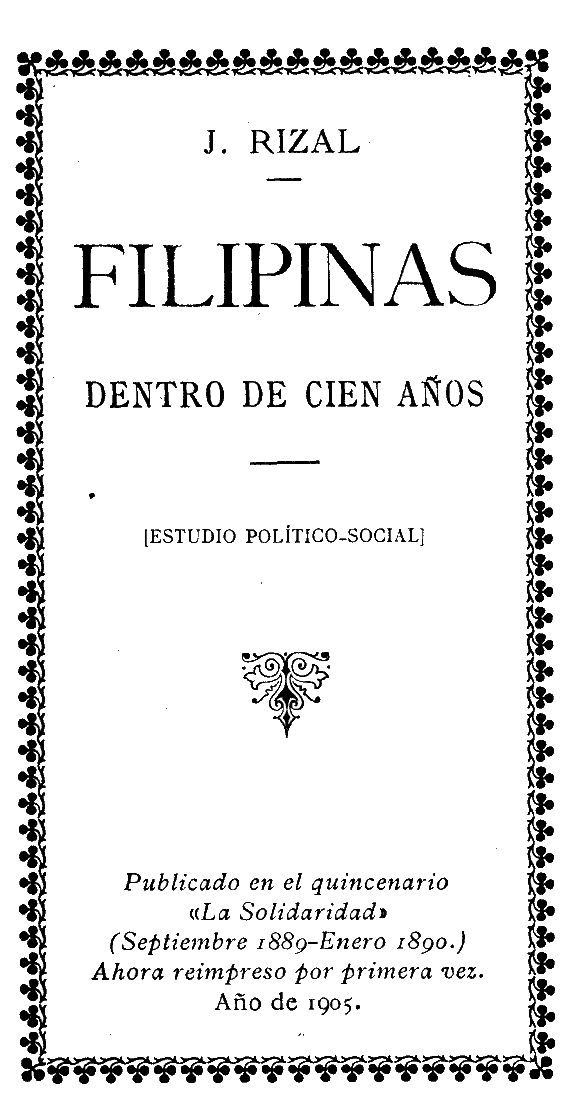
- "Filipinas Dentro de Cien Años" ("The Philippines a Century Hence") — A forward-looking essay in which Rizal predicted the eventual decline of Spanish rule and speculated on the Philippines' political future, including the possibility of American influence.
- Annotations to Antonio de Morga's Sucesos de las Islas Filipinas — rather than a traditional essay, this was Rizal's scholarly project of annotating a centuries-old historical text (more on this below).
Poetry: The Emotional Core of Rizal's Writing
While his novels and essays showcased his intellect, his poems reveal his heart. Rizal wrote poetry throughout his life, often reflecting his patriotism, longing, and personal struggles.
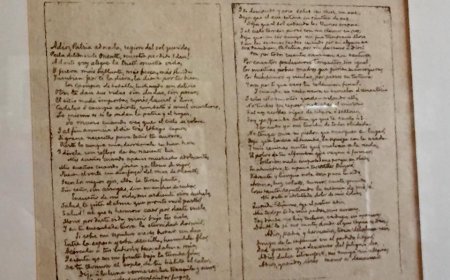
- "Mi Último Adiós" ("My Last Farewell") — Written the night before his execution and hidden inside an alcohol lamp for his family to find, this poem is widely considered his masterpiece. It's a farewell not just to his loved ones, but to his country, filled with both sorrow and quiet peace about the sacrifice he was making.
- "A la Juventud Filipina" ("To the Filipino Youth") — Written when Rizal was only eighteen, this poem won first prize in a literary contest and already showed his belief that the youth held the key to the nation's future.
- "Mi Retiro" ("My Retreat") — Composed during his exile in Dapitan, this poem reflects a more contemplative, peaceful side of Rizal, describing the quiet life he built by the sea.
Letters: The Man Behind the Legend
Rizal was a prolific letter writer, and his correspondence offers some of the most intimate glimpses into who he really was — beyond the polished image of the national hero. He exchanged letters with:
- His family, especially his mother Teodora and his sister Trinidad, discussing everything from personal matters to political concerns.
- Ferdinand Blumentritt, an Austrian scholar and one of Rizal's closest friends, with whom he corresponded extensively on history, politics, and linguistics.
- Fellow reformists like Marcelo H. del Pilar and other members of the Propaganda Movement, discussing strategy, disagreements, and the direction of the reform campaign.
His final letters, written in the days before his execution, are particularly poignant — including a farewell letter to his family and one addressed to the Filipino people.
Speeches: Rizal as an Orator
Though better known as a writer, Rizal also delivered speeches that carried the same conviction as his written work. One of the most notable is his speech at a banquet honoring painters Juan Luna and Félix Resurrección Hidalgo in Madrid in 1884, where he praised their artistic triumphs as proof of Filipino talent and capability on the world stage — a subtle but pointed argument against colonial condescension.
Annotations: Rizal the Historian
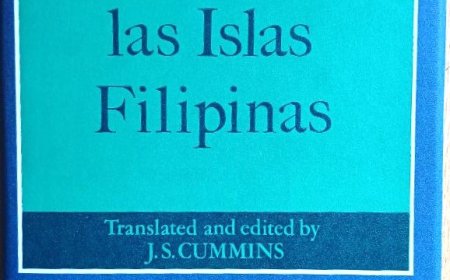
One of Rizal's most academically rigorous projects was his annotated edition of Antonio de Morga's Sucesos de las Islas Filipinas, a 17th-century Spanish account of the Philippines. Rizal didn't just republish the old text — he added extensive footnotes and commentary, using the annotations to correct colonial biases, highlight the sophistication of pre-colonial Filipino society, and challenge the narrative that Filipinos needed saving through conquest. It was less a translation project and more an act of historical reclamation.
Translations
Rizal was fluent in more than twenty languages, and translation was second nature to him. He translated several literary works into Tagalog, including select fables and portions of European literature, believing that access to knowledge and literature in one's own language was essential to a nation's intellectual growth. He also translated some of his own writings and correspondence across Spanish, German, French, and English, depending on his audience.
Why His Writings Still Matter
What makes Rizal's body of work remarkable isn't just its volume — it's the range. In a single lifetime, he wrote searing political critique, deeply personal poetry, tender family letters, and rigorous historical scholarship, often switching between them within the same year. His writing wasn't separate from his activism; it was his activism. Every essay, poem, and letter carried the same underlying belief: that Filipinos deserved dignity, education, and the right to shape their own future.
More than a century later, his words are still read, still quoted, and still studied — proof that the pen he chose over the sword left a mark that has outlasted the empire he wrote against.