Dr. Otto Becker: The German Doctor Who Trained His Hands
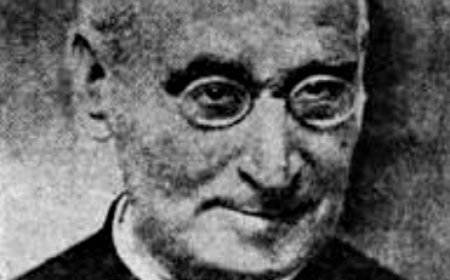
Dr. Otto Becker (1828–1890), professor of ophthalmology at Heidelberg, completed José Rizal’s training in eye medicine in 1886. A pioneer in ophthalmic pathology and a respected teacher, Becker gave Rizal the diagnostic and anatomical grounding that complemented his surgical experience from Paris. Meet Dr. Otto Becker, the Heidelberg ophthalmologist who trained José Rizal in 1886, and learn how his teaching shaped the eye surgeon who later served patients in Hong Kong and Dapitan.
 Moderator - Tomas Kauer
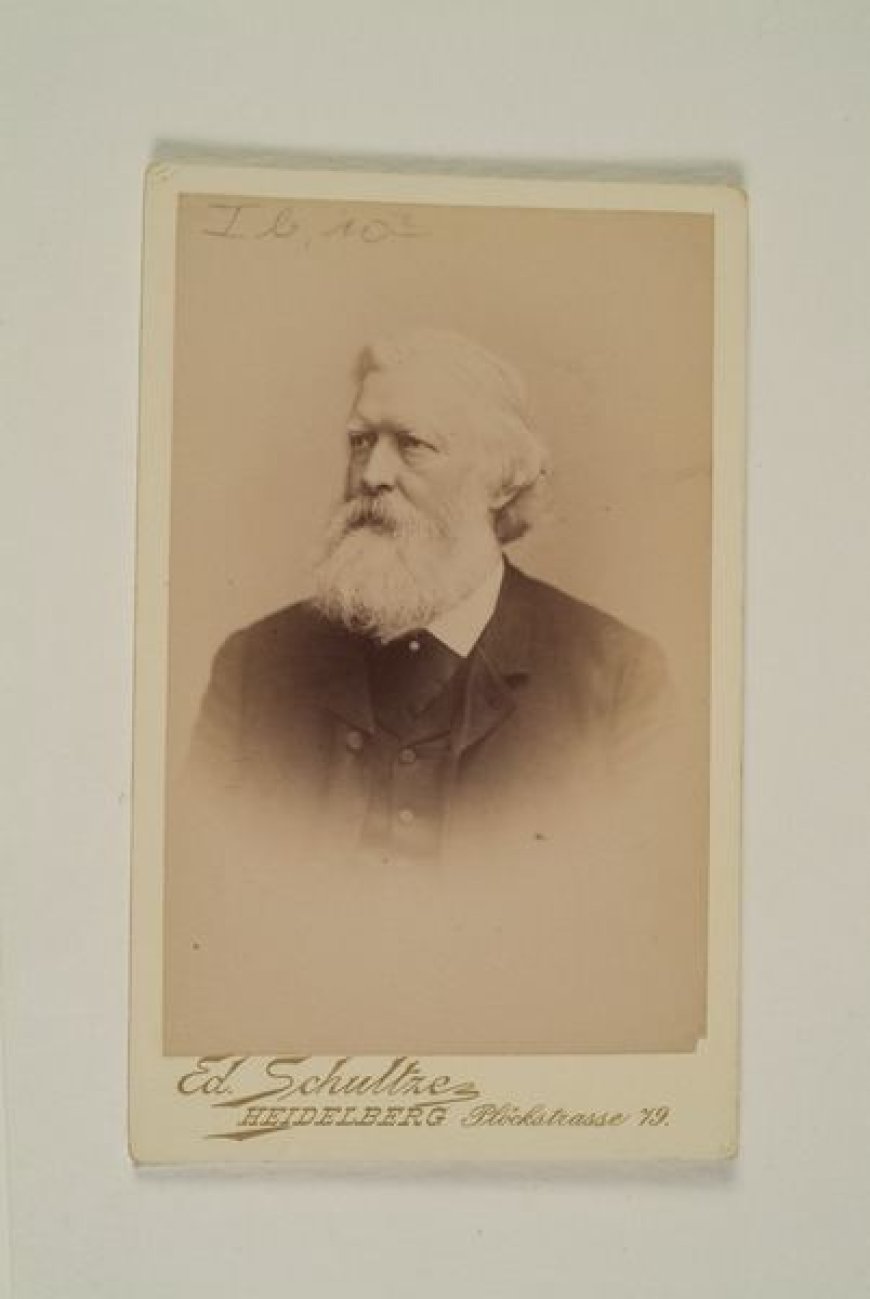
Among the many teachers who shaped José Rizal, Dr. Otto Becker occupies a special place. Rizal's earlier mentors helped form his mind and his writing. Becker helped form his hands. Under the Heidelberg professor's guidance, a young Filipino doctor completed his training in ophthalmology, the field he had chosen so that he could one day treat his mother's failing eyesight.
Who Was Otto Becker?
Otto Heinrich Enoch Becker was born on May 3, 1828, near Ratzeburg in northern Germany. He earned his medical doctorate at the University of Vienna in 1859, where he studied under Carl Ferdinand von Arlt, one of the leading eye specialists of the century. In the late 1860s, he became professor of ophthalmology at the University of Heidelberg, a post he held until his death on February 7, 1890.
Becker was known first as a scholar of the eye's inner workings. He is widely recognized as a pioneer in ophthalmic pathology and wrote extensively on the anatomy and diseases of the eye, especially the lens. His name survives in medical eponyms, including "Becker's sign," a pulsation of the retinal arteries that he described in 1871.
A Teacher Who Produced Leaders
Becker's reputation did not rest on research alone. Medical biographies describe him as an inspiring teacher whose students went on to become leaders in the field. His clinic drew visiting physicians from abroad, including doctors from the United States, who came to Heidelberg specifically to study with him.
He was also a builder of institutions. In 1887, Becker founded the Graefe Museum at Heidelberg in honor of the pioneering ophthalmologist Albrecht von Graefe, and he completed the autobiography of his own former teacher, Arlt, after Arlt's death. These details sketch a man who valued both discovery and the transmission of knowledge from one generation to the next.
How Rizal Found Him
Rizal arrived in Heidelberg in early 1886, after several months of surgical training with Dr. Louis de Wecker in Paris. The story of how he reached Becker is told in several accounts as a chance conversation with local students, who pointed him to the university eye clinic. Because Rizal already held a medical license from Spain, he was able to follow Becker's lectures and observe clinical work at the Augenklinik.
The match was a good one. Paris had sharpened his surgical technique. Becker's clinic added what a surgeon needs beneath the technique: a disciplined habit of examination, a firm grasp of the eye's anatomy, and a clear understanding of how disease alters it. With both strands in place, Rizal was a more complete ophthalmologist.
What "Training His Hands" Meant
The phrase is not just a figure of speech. Ophthalmic surgery in the 1880s was delicate, manual work, performed without the tools modern surgeons take for granted. Learning it meant watching closely, practicing repeatedly, and developing steadiness and judgment through experience.
Rizal's later work shows what that training made possible. After leaving Europe, he practiced as an eye doctor in Hong Kong and in Dapitan, and he operated on his mother's eye in 1892. In Dapitan, he treated patients who traveled considerable distances to see him. The skills Becker helped refine did not remain academic. They became a form of service.
A Mentor Remembered in Two Countries
Becker died in 1890, only four years after Rizal studied with him, so the mentorship was brief. Yet it left a trace in both countries. Heidelberg's ophthalmology history lists Rizal among its notable visitors, and Philippine accounts of Rizal's medical career consistently identify Becker as the teacher under whom his training was completed.
It is also a quiet reminder of how Rizal moved through Europe: not as a tourist, but as a serious student who sought out the best available teacher in each field and made the most of a short time with him.
Why Becker Matters in Rizal's Story
Rizal's mentors came from many backgrounds. Father Francisco de Paula Sánchez taught him literature in Manila. Becker, in Heidelberg, represented a different ideal: the exacting specialist, committed to precision and craft. Together, they illustrate Rizal's belief that a well-formed person needs both imagination and rigor.
For readers tracing Rizal's life, Becker is a useful figure to remember. He shows that the doctor who later served patients in Dapitan was not simply gifted, but carefully trained, by teachers willing to share what they knew.
Note: Sources differ slightly on the exact year Becker became a professor at Heidelberg (1867 or 1868) and on some details of Rizal's time in the clinic. We have used the most commonly cited dates.